





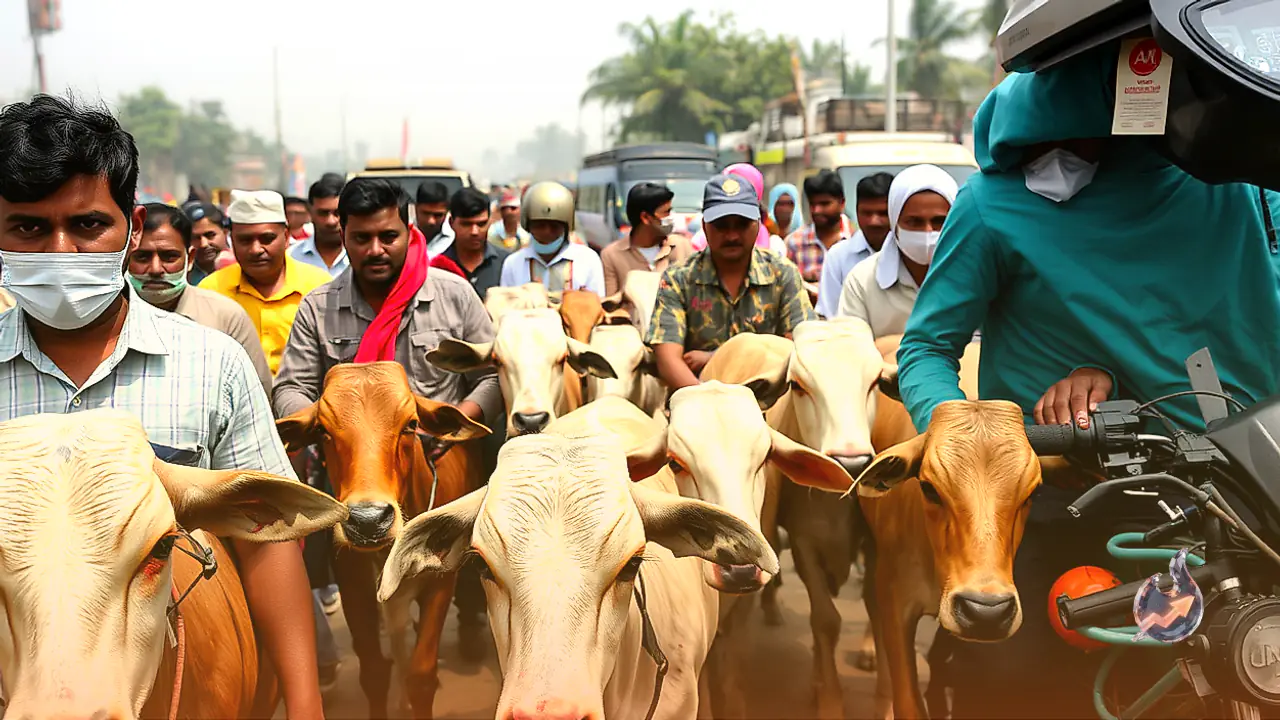














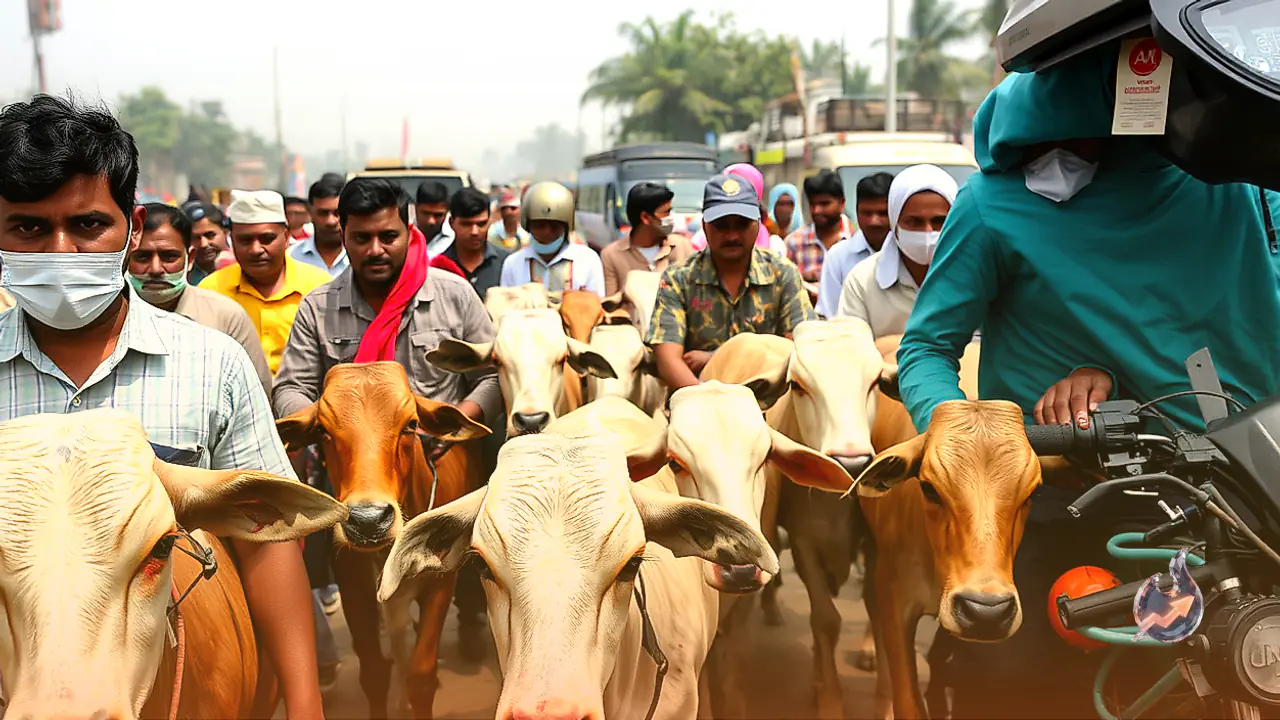

Cattle rearers across Meerut in western Uttar Pradesh have been urged to maintain high vigilance following fresh detections of lumpy skin disease in the district. Animal husbandry authorities have sought to reassure livestock owners that the situation is manageable, provided prompt preventive protocols are respected. A sustained vaccination campaign targeting cattle has been underway at high intensity since July. Officials are emphasizing routine stall sanitation, physical isolation of affected stock, and meticulous herd management to curb viral transmission across farming hamlets.
Over 2.09 Lakh Cattle Registered in Meerut as Drive Gathers Pace
According to Meerut Chief Veterinary Officer Pawitrajit Singh, the department initiated focused field interventions back in July and has kept veterinary teams deployed across rural belts. Government livestock census data records a total population of 2,09,488 cattle in Meerut district. Of this tally, teams have successfully administered protective vaccine doses to 1,12,000 cattle. The administration plans to inoculate the entire remaining bovine population across the district within the next few days to secure complete herd immunity.
Vectors Drive Transmission: Mosquito Nets and Hygiene Recommended
Explaining the pathology, Pawitrajit Singh pointed out that lumpy virus is an acute contagious illness capable of transferring swiftly from one animal to another. Livestock managers must therefore pay special heed to barrier protection within animal sheds. Where practical, installing mosquito netting around stalls is strongly advised. Flies and mosquitoes that feed on open sores and cutaneous lesions of infected cattle quickly become vectors, transmitting the virus whenever they land on healthy animals nearby. Keeping pens dry and controlling insect proliferation remain decisive in halting spread.
Traditional Remedies and Veterinary Care Guidelines
Rigorous hygiene around animal shelters forms the cornerstone of disease prevention. For daily care, authorities suggest feeding cattle water infused with giloy to naturally support vitality. Bathing livestock in water boiled with neem leaves offers effective antiseptic care for animal skin against parasites and surface pathogens. In instances where an animal develops cutaneous wounds or lesions, owners should consult a certified veterinary doctor without delay and apply betadine to soothe skin damage and block secondary bacterial invasion.
Farmers Advised to Coordinate Directly with Local Clinics
The Chief Veterinary Officer emphasized that cattle rearers need not wait passively for village visits. Farmers can directly approach their regional veterinary department centres to schedule vaccine appointments for domestic and commercial herds. Departmental teams continue to speed up coverage across rural territories, ensuring that every unprotected bovine receives its inoculation dose before community spread widens.