






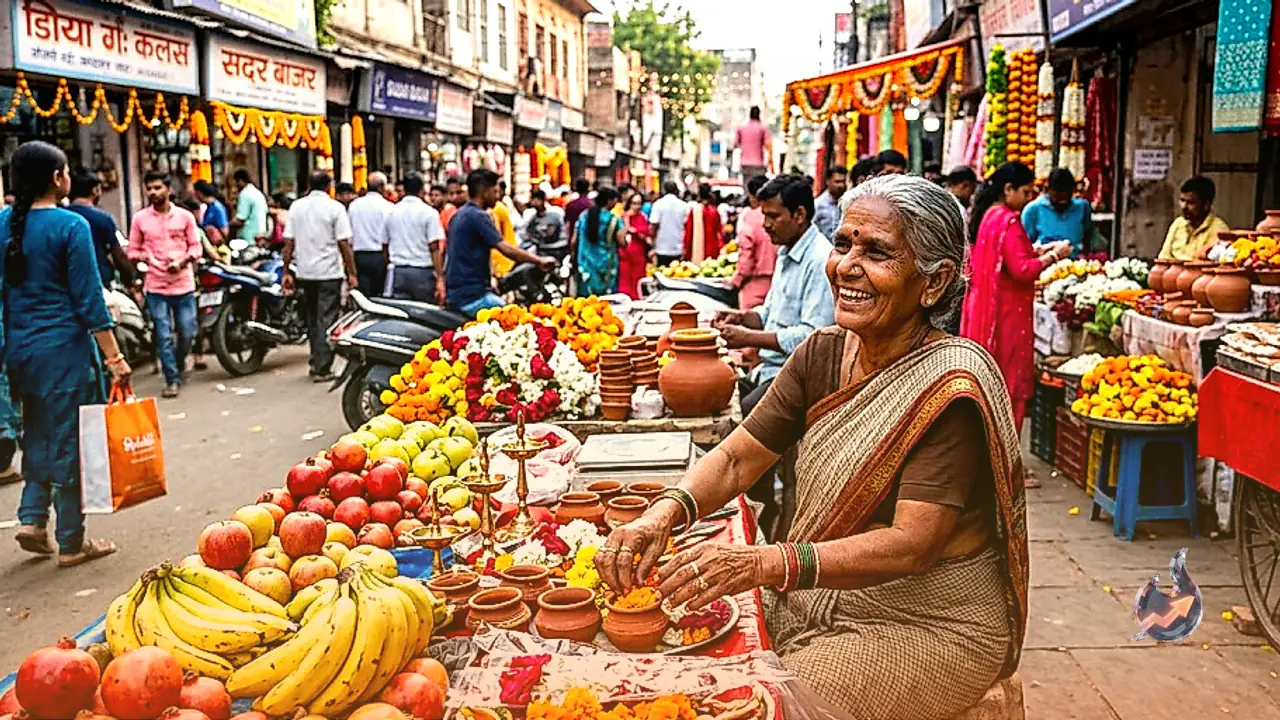
















With the festive season underway, markets across the country are bustling with activity as roadside stalls set up to sell ceremonial goods, decorative items, and festive essentials. For street vendors, hawkers, potters, and small-scale traders, this period serves as the primary window for yearly earnings and livelihood sustenance. However, routine anti-encroachment drives often leave these micro-merchants vulnerable to sudden displacement. In a move aimed at safeguarding these informal workers during Navratri, Diwali, and Chhath Puja, the National Human Rights Commission (NHRC) has issued comprehensive directives to all states and Union Territories to prevent arbitrary actions against local sellers.
Safeguarding Livelihoods and Human Rights
The commission emphasized that the human rights and earning opportunities of small vendors must be actively protected during the festive months. Authorities have been advised against launching disruptive or uncoordinated eviction drives that destabilize local trade. In instances where relocating a stall becomes unavoidable due to fire safety protocols or critical public safety concerns, local administrations are mandated to provide suitable alternative vending zones. Furthermore, the instructions strictly bar municipal authorities and enforcement teams from resorting to arbitrary confiscation of merchandise or imposing unreasonable monetary penalties on small traders.
Strict Action Against Extortion and Harassment
The NHRC issued structured guidelines for administrative bodies to follow across urban and rural markets
- Halt on Unnecessary Drives: Authorities must refrain from arbitrarily removing, harassing, or intimidating informal sector merchants.
- Provision of Alternate Locations: Whenever public safety necessitates clearance, vendors must be accommodated in designated alternate spots to keep their businesses viable.
- Curbs on Goods Seizure: Indiscriminate confiscation of stock and unjust penalties against vendors are prohibited.
- Redressal for Harassment and Extortion: Complaints concerning coercive extortion, harassment, or illicit interference against vendors must be prosecuted strictly under the law.
- Promoting Local Artisans: In alignment with supporting indigenous craftsmanship, regional artisans, potters, and traditional trade products must be actively encouraged.
- Administrative Accountability: Chief Secretaries must ensure broad dissemination of these rules across district authorities, municipal corporations, and police divisions.
Compliance and Action Taken Reports
State administrations and law enforcement agencies have been instructed to ensure strict compliance at the field level. For all pending matters and implementation assessments, authorities are required to submit their supplementary or complete Action Taken Reports (ATR) to the commission by 18 October 2026. This directive reinforces that urban management and safety compliance must balance public order with the economic rights of vulnerable street vendors during key cultural celebrations.