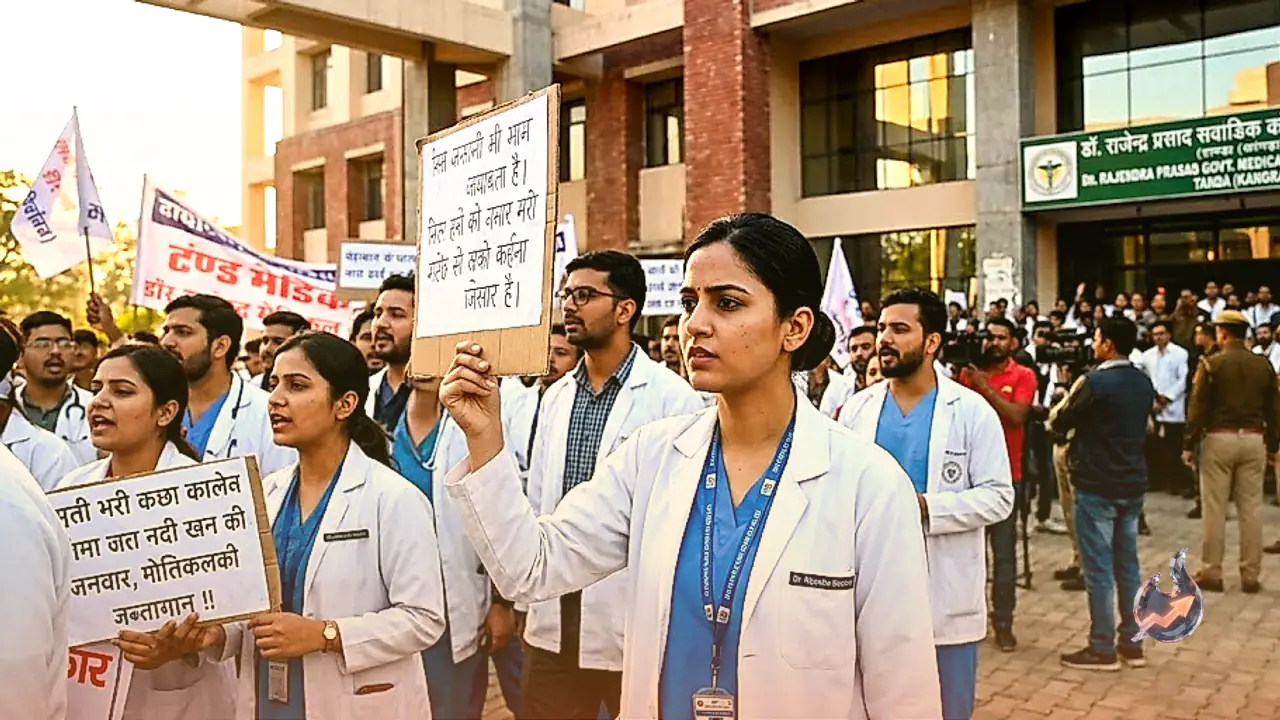
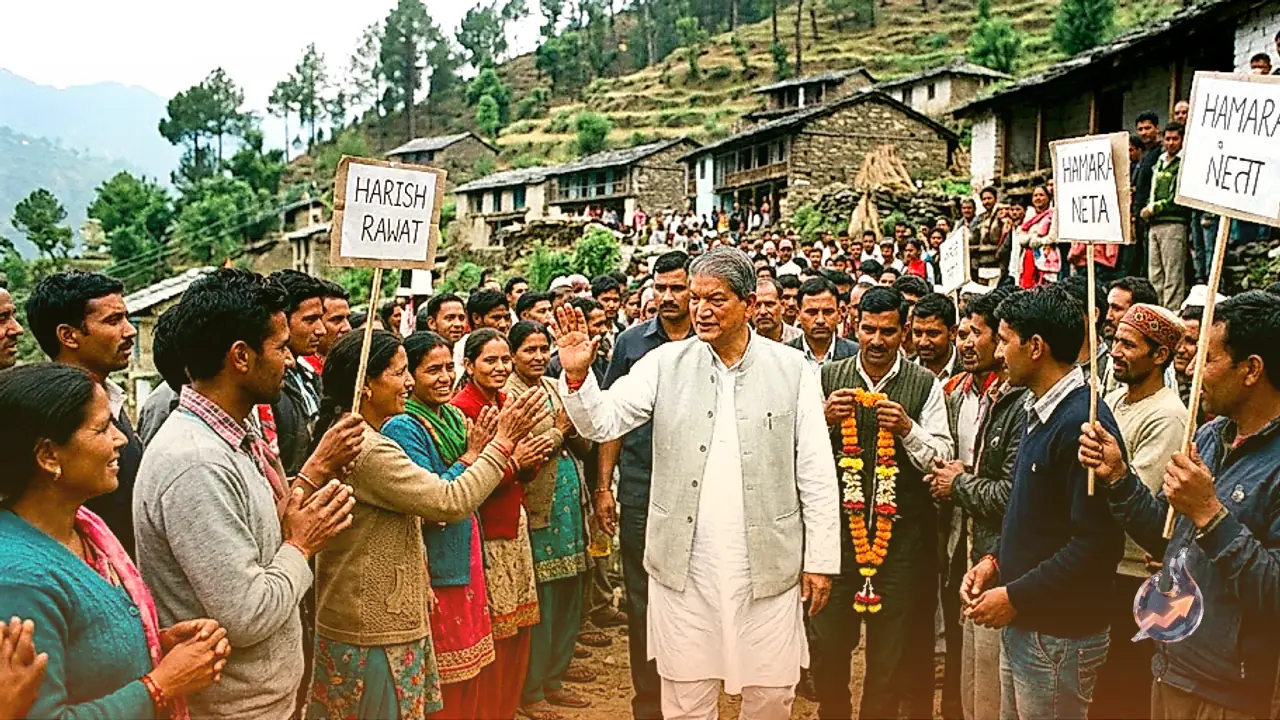
















Internal friction within the Uttarakhand unit of the Congress has intensified significantly just months ahead of the upcoming assembly elections. Senior leader and former Chief Minister Harish Rawat has chosen to forge ahead with his personal outreach initiatives, openly resisting directives from the central leadership to fold his activities into the formal party apparatus. The high command has been urging Rawat to halt his independent state tours and align strictly with collective organizational strategy. Following these tensions, Congress General Secretary KC Venugopal summoned Rawat to New Delhi on Sunday, conveying clear instructions to curtail unilateral political moves and adhere to central decisions. However, Rawat has shown little inclination to step back, choosing instead to escalate his mass contact schedule.
State In-Charge Kumari Selja Flags Lack of Coordination
The friction came out into the open after Kumari Selja, the Congress in-charge for Uttarakhand, addressed a formal letter to Harish Rawat on October 1, marking a copy to KC Venugopal. In the communication, Selja raised pointed questions regarding the propriety of his statewide rallies. She stated explicitly that Rawat had organized and conducted his tour without consulting her or taking the state Congress committee president into confidence. Selja reminded the senior leader that with assembly polls approaching within months, the organization requires complete internal cohesion and a united public front rather than fragmented individual posturing.
Second Phase Commences from Udham Singh Nagar
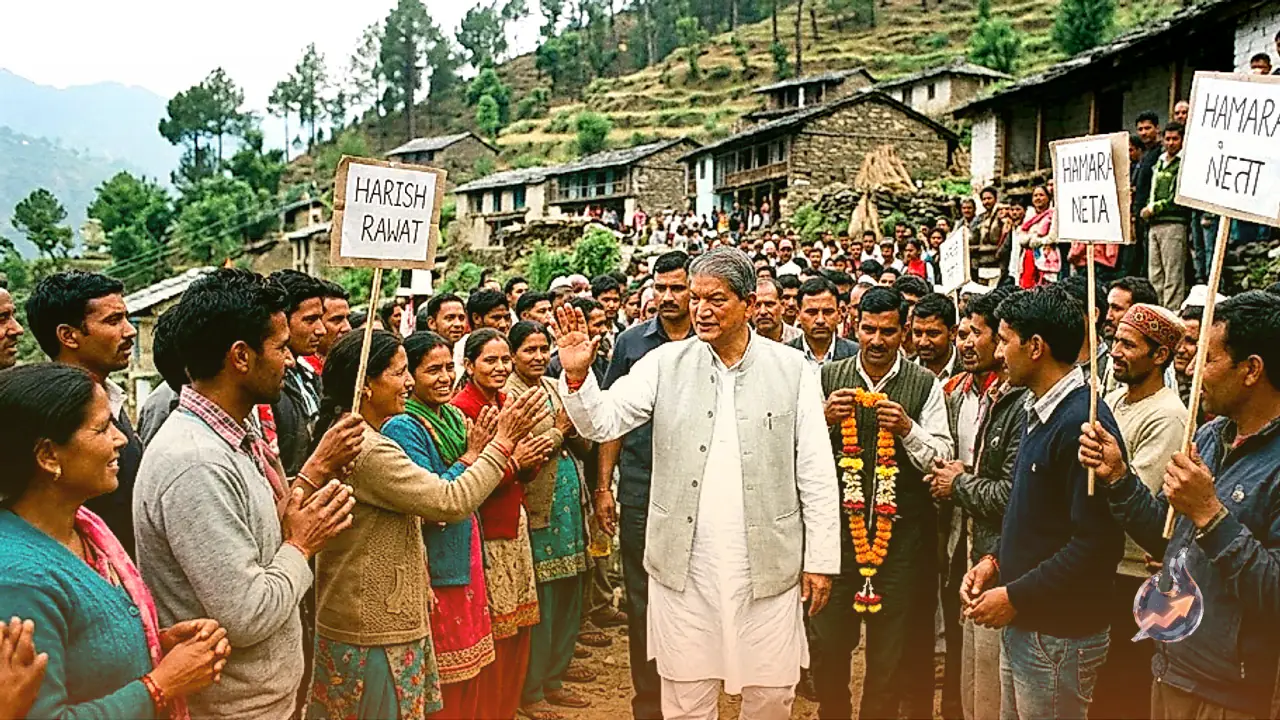
Unswayed by the reservations expressed by the high command, Rawat initiated the second phase of his public interaction program on Monday from the Udham Singh Nagar district, situated along the Uttar Pradesh border. Setting the tone early in the morning, Rawat published a message across his social media channels asserting his determination to continue the campaign. Stating that his resolve to protect the self-respect and dignity of Uttarakhand remains unshakeable despite significant challenges, he declared that his thanksgiving and dialogue initiative would not pause. His schedule included traveling from Jaspur to Haldwani to interact directly with local citizens on matters concerning the state's rights.
Enforcement Directorate Probe and Return to Active Politics
Rawat's defiant campaign follows a turbulent personal and political period. He recently returned to Dehradun after an absence of nearly two months spent undergoing medical treatment and recovery, during which he remained distant from day-to-day state affairs. Around the same time, the Enforcement Directorate initiated proceedings against a close aide in connection with an alleged 2016 recruitment scam. Demonstrating a combative public stance during the investigation, Rawat had marched to the Enforcement Directorate office accompanied by his loyalists and carrying a photograph of his mother, where he was questioned by investigators for several hours.
The Dual Challenge Before the Central Leadership
Managing Harish Rawat poses a complex dilemma for the central leadership. Decades of grassroots politics have entrenched his influence across Uttarakhand, where a large number of active leaders and workers built their careers under his mentorship. Consequently, the party brass is caught between two pressing imperatives. On one hand, enforcing organizational discipline is critical to presenting a viable alternative in the impending elections. On the other, alienating a mass leader of Rawat's stature could severely damage party prospects across regional constituencies, leaving the high command with very little margin for error.