






















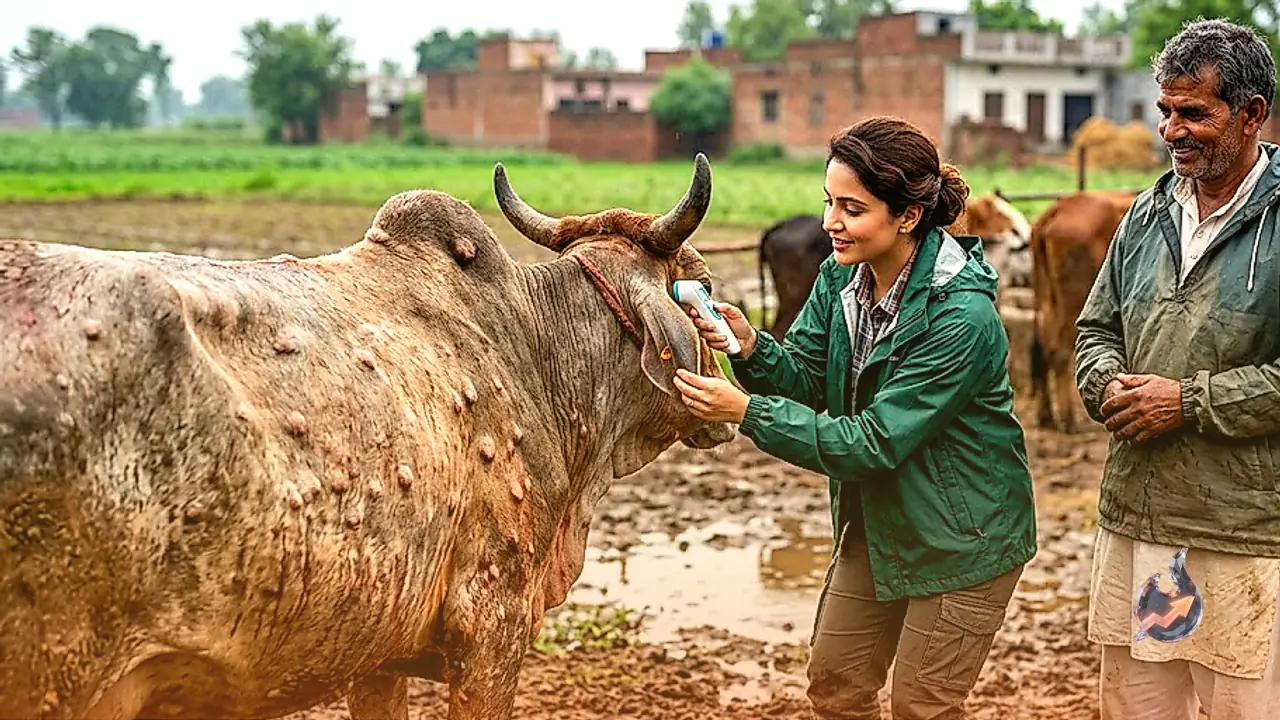

The arrival of the rainy season in Firozabad has triggered fresh concerns among local cattle owners as Lumpy Skin Disease begins spreading across multiple villages in the district. According to data released by the animal husbandry department, the viral infection has surfaced in 32 villages so far, accounting for roughly 264 reported cases. Out of these, authorities have successfully brought 240 cases under control, while 24 animals are still undergoing medical treatment. Specialized teams from the department are actively visiting the affected regions to administer treatments and vaccinate cattle to curb further transmission of the disease.
Dr. Somesh Gupta highlights risks during the monsoon season
Chief Veterinary Officer Dr. Somesh Gupta explained that the risk of Lumpy disease increases significantly during the rainy months, making it imperative for cattle owners to maintain regular surveillance of their livestock. He noted that timely vaccination drives are underway and departmental teams are visiting villages to educate farmers. Lumpy skin disease is primarily a viral infection affecting cattle, which can spread through contact with infected animals or via blood-sucking vectors. Consequently, identifying early symptoms is vital for livestock owners to take prompt action.
Recognizing the primary symptoms of Lumpy virus
According to Dr. Somesh Gupta, infected animals typically develop a high fever initially, which is soon followed by the appearance of nodules or raised lesions across their skin. In many instances, affected cattle experience a drop in appetite and a noticeable decline in their daily activities. Owners who spot such symptoms are advised to isolate the sick animal from the rest of the herd immediately and consult a veterinarian without delay. Early diagnosis and proper medical intervention play a critical role in controlling the spread of the infection.
Vaccination and hygiene measures implemented by the department
To combat the outbreak, the animal husbandry department has launched extensive vaccination campaigns while urging farmers to maintain clean environments around animal shelters. Owners are instructed to prevent stagnant water accumulation near sheds and take steps to control mosquito and fly populations. Furthermore, introducing a newly purchased or outside animal directly into the herd should be avoided; instead, keeping new arrivals isolated for a observation period helps minimize infection risks.