






















With the arrival of the monsoon season, the ambient air experiences a steep surge in humidity and moisture levels. This damp environment creates optimal breeding grounds for bacteria, parasites, and other harmful microorganisms to flourish across food supplies. Under such weather conditions, practicing meticulous dietary precautions is indispensable for preventing acute gastrointestinal infections and digestive disorders. A minor lapse in vigilance while purchasing, washing, or preparing daily vegetables can easily lead to serious stomach troubles. Highlighting these seasonal hazards, Dr. Sunita has shared crucial advice on how households can select, clean, and cook vegetables safely during the rainy months.
Vegetables Requiring Extra Vigilance in the Rainy Season
According to Dr. Sunita, green leafy vegetables demand exceptional caution when considered for daily consumption during monsoons, as their dense foliage easily traps moisture and dirt. Additionally, produce such as cauliflower and mushroom must be bought with great care after examining them thoroughly for hidden larvae or fungal growth. Common items like carrots, radish, and tomatoes also require a strict freshness check before buying. If any vegetable exhibits obvious signs of decay, an unpleasant odor, or damage, it should be entirely excluded from kitchen use. Bringing such spoiled vegetables home and keeping them in storage can contaminate other items; therefore, separating and discarding them immediately is the safest approach.
Proper Protocols for Washing and Chopping Vegetables
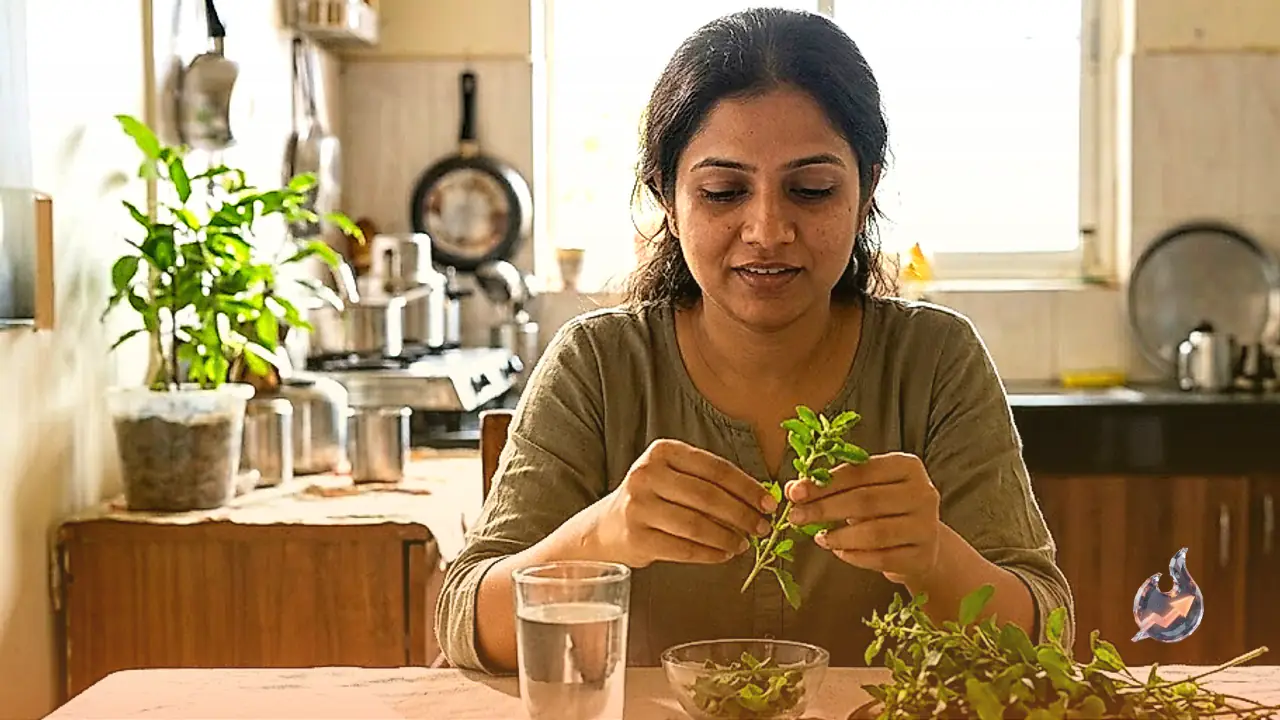
Thorough sanitation of produce before culinary preparation is vital for keeping microbial contamination at bay during the monsoon period. Dr. Sunita emphasizes that vegetables must always be washed thoroughly with clean water prior to being chopped or peeled. Soaking and cleaning the vegetables in salt-mixed water before rinsing them under clean running water proves highly effective in dislodging accumulated dirt, grime, and harmful microorganisms. In addition, leaving chopped vegetables out in the open for extended durations should be strictly avoided. The high humidity in the air encourages rapid bacterial growth on exposed vegetable surfaces, which is why chopped produce ought to be cooked and consumed as quickly as possible.
Recommended Diet Options and Digestive System Care
For a healthy monsoon diet, Dr. Sunita suggests incorporating lighter vegetables such as bottle gourd and okra. Even when selecting these beneficial vegetables, consumers must ensure that they are fresh, undamaged, and thoroughly washed before cooking. It is equally important to recognize that the human digestive system tends to become comparatively sluggish and sensitive during the damp monsoon months. Consuming overly heavy, rich, or excessively spicy meals can place undue stress on the stomach and trigger digestive distress. Opting for light, wholesome, and balanced meals, paired with strict hygiene practices for vegetable handling, significantly lowers the risk of contracting stomach infections throughout the season.