






















When dengue season strikes, families often panic over rapidly declining blood platelet counts. Search queries and household discussions instantly turn toward finding fast remedies that promise overnight recovery. However, medical experts emphasize that no single food item or miracle drink can instantly boost platelet levels. Platelet destruction occurs due to viral activity in the body. As the human immune system neutralizes the infection and bone marrow function stabilizes, platelet production recovers naturally. The main purpose of dietary intervention is to maintain adequate hydration, deliver essential nutrients, and prevent complications during the recovery phase.
Unpacking Myths Around Papaya Leaves, Kiwi, and Goat Milk
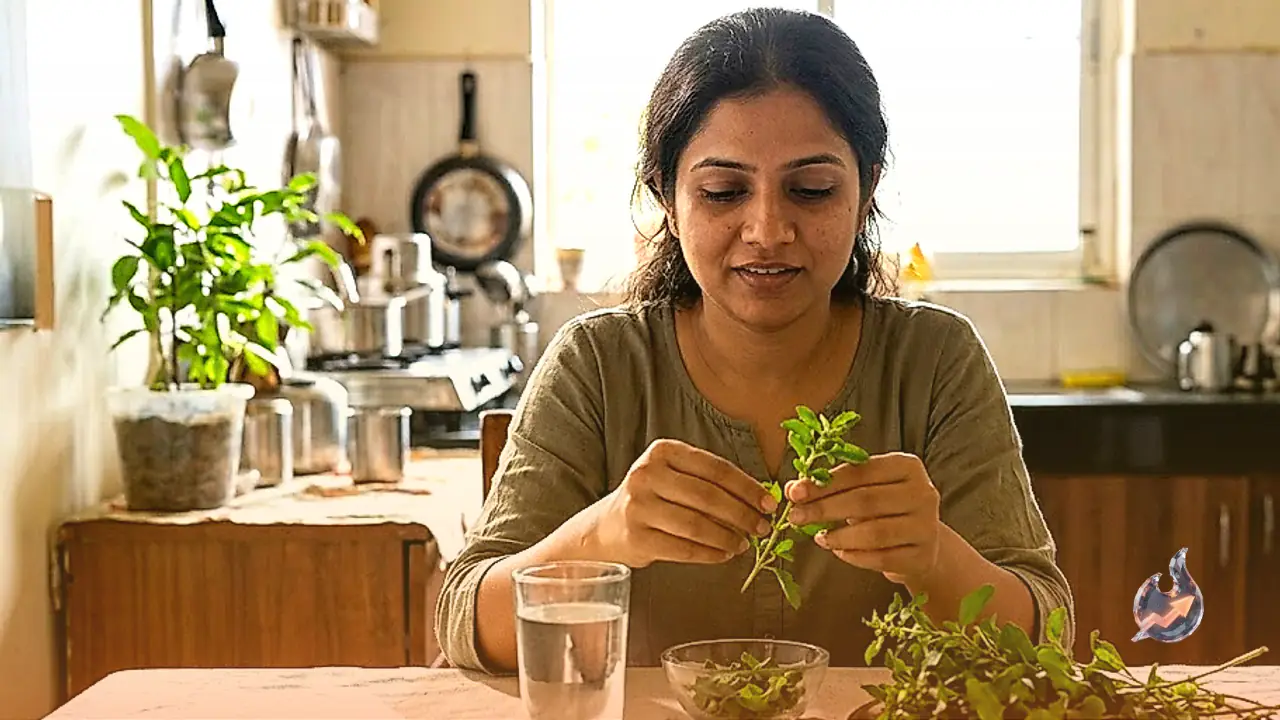
In India, several natural remedies have gained immense popularity as alleged cures for low platelets. Papaya leaf juice remains one of the most widely used home remedies during dengue outbreaks. A medical practitioner associated with Vivekananda Hospital in Hyderabad points out that while a few small-scale studies suggest papaya leaf extract might provide modest support to platelet recovery speed, it should never be regarded as a definitive cure or magical pharmaceutical solution. At best, it functions purely as an optional supportive measure.
Similarly, items such as kiwi fruit and goat milk are frequently sought after during illness. While kiwi provides vital vitamins and goat milk offers basic hydration and energy, medical science offers no conclusive clinical evidence proving that either food directly elevates platelet counts. Consuming them provides basic nutritional value, but relying on them as medical treatments is scientifically unfounded.
Essential Nutritional Support for Dengue Recovery
To assist the body while it combats the dengue virus, nutritional strategy must focus on maintaining fluid balance and serving light, easily digestible meals.
- Hydration and Fluid Balance: Preventing dehydration remains the single most crucial goal. Patients require regular fluid intake, including plain water and Oral Rehydration Solution (ORS) fluids. Clear soups, fresh coconut water, buttermilk, and unsweetened juices like pomegranate or amla help replenish lost electrolytes and maintain circulatory volume.
- Immunity and Nutrient Absorption: Foods high in vitamin C and iron support immune cell functionality and blood health. Incorporating guava, lemons, amla, spinach, and beetroot into the diet helps fortify the body against weakness while improving nutrient absorption.
- Easily Digestible Proteins and Carbohydrates: Because energy levels drop significantly, lightweight meals that demand minimal digestive effort are ideal. Dishes such as daliya (broken wheat porridge), rice, khichdi, boiled lentils, and soft-boiled eggs restore physical strength without straining the stomach.
Foods to Exclude During Dengue Infection
During an active viral infection, the gastrointestinal system becomes sensitive and less efficient. Consuming improper foods can lead to severe discomfort and worsen the patient's condition.
- Fried and Greasy Items: Deep-fried snacks and heavily spiced meals irritate the stomach lining and slow down digestion, consuming energy that the body needs for recovery.
- Caffeinated Beverages: Tea, coffee, and caffeinated soft drinks act as diuretics, promoting fluid loss through urination and increasing the risk of dehydration.
Pediatric Dietary Care and Urgent Medical Warning Signs
Young children experiencing dengue fever are particularly susceptible to rapid dehydration. Parents and caregivers should offer fluids such as ORS, fresh coconut water, and thin broths in small, frequent doses rather than forcing solid meals. If a child resists eating, continuous liquid supplementation ensures safety.
Medical professionals caution that dietary adjustments serve solely to support basic bodily resilience and can never replace professional healthcare. Immediate medical emergency services must be sought if a patient displays red-flag symptoms such as continuous vomiting, severe abdominal pain, sharp reduction in urine output, extreme drowsiness or lethargy, or any visible bleeding from the gums, nose, or skin.