





















With US measles cases surging to a 35-year high and community vaccination rates continuing to decline, a handful of academic groups and biotech companies have begun developing treatments for infected individuals and vulnerable populations requiring short-term protection. However, these medical countermeasures remain years away from public availability, and considerable uncertainty surrounds whether vaccine-hesitant individuals would actually choose to receive such treatments.
Surging Outbreaks and Declining Vaccination Rates
Driven by large outbreaks in Utah and South Carolina, the United States has already surpassed last year’s total of 2,289 measles cases despite it only being July. By comparison, just 285 cases were recorded throughout all of 2024. Because the measles virus is exceptionally contagious, public health standards dictate that at least 95 percent of a community must receive both doses of the measles vaccine to safeguard infants under 12 months old and immunocompromised individuals who cannot be vaccinated. Unfortunately, vaccination rates have fallen well below this threshold in numerous regions nationwide.
Severe Health Complications and Current Care
Young children face the highest susceptibility to severe complications arising from measles. The virus can induce pneumonia by directly damaging the respiratory tract lining and impairing the immune system, leaving patients vulnerable to secondary bacterial infections. Furthermore, it can trigger deafness and potentially fatal brain damage. Lacking a measles-specific antiviral drug, physicians currently rely entirely on supportive care, such as managing respiratory difficulties, preventing dehydration, and administering anti-inflammatory steroids. While Vitamin A is sometimes prescribed because the virus depletes bodily reserves, the supplement itself has no direct antiviral effect.
Monoclonal Antibody Developments
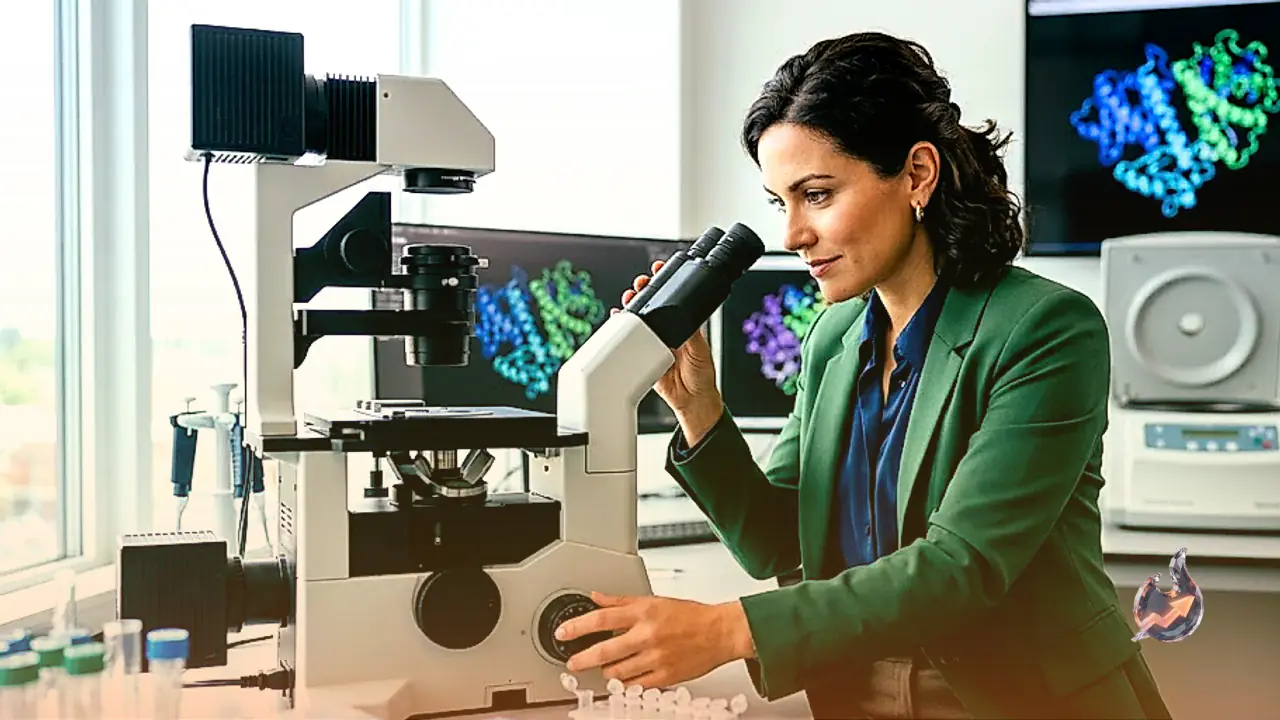
Michael Mina, chief medical officer of Invivyd, a Connecticut-based biotechnology firm, notes that community resurgences of measles expose a severe lack of therapeutic options upon exposure. Invivyd is actively developing a monoclonal antibody therapy designed to mimic the natural antibodies generated by the human immune system. Administered via injection or intravenous infusion, monoclonal antibodies were deployed extensively during the Covid-19 pandemic to protect immunocompromised patients. While Invivyd has not yet tested its specific measles antibody in human clinical trials, the company is actively compiling the necessary data to secure regulatory sign-off from the Food and Drug Administration.
Academic Research Breakthroughs
At the La Jolla Institute for Immunology, president and CEO Erica Ollmann Saphire has focused on mapping the human antibody response to measles. In May, her research team published findings detailing human antibodies capable of neutralizing the virus by binding to key viral sites, noting that an infusion of these antibodies resulted in a 500-fold lower viral load in animal models. Meanwhile, James Crowe, director of the Vanderbilt Center for Antibody Therapeutics at Vanderbilt University, has partnered with the small biotech firm Saravir Biopharma to advance antibody combinations designed to prevent viral mutation and immune evasion.
Manufacturing Challenges and Pharma Economics
A primary hurdle in bringing these treatments to clinical trials involves manufacturing monoclonal antibodies at scale, which remains an expensive and intricate procedure. Clinical trials require millions of dollars in funding, typically necessitating partnerships with major pharmaceutical corporations. However, infectious disease therapeutics are often viewed cautiously by drug companies due to sporadic outbreak cycles and brief treatment durations. Some epidemiological models suggest that measles could become endemic across the United States within the next quarter-century if current immunization trends persist.
Antiviral Research and Public Hesitancy
Researchers at Georgia State University have also explored oral antiviral drugs, successfully testing candidates in animals infected with related orthoparamyxoviruses. Nevertheless, the ultimate hurdle facing these countermeasures is public acceptance. Anti-vaccine sentiment continues to fuel active outbreaks, though developers remain hopeful that biological therapies modeled on natural human molecules may achieve broader acceptance among hesitant populations despite rising political skepticism surrounding public health measures.