




















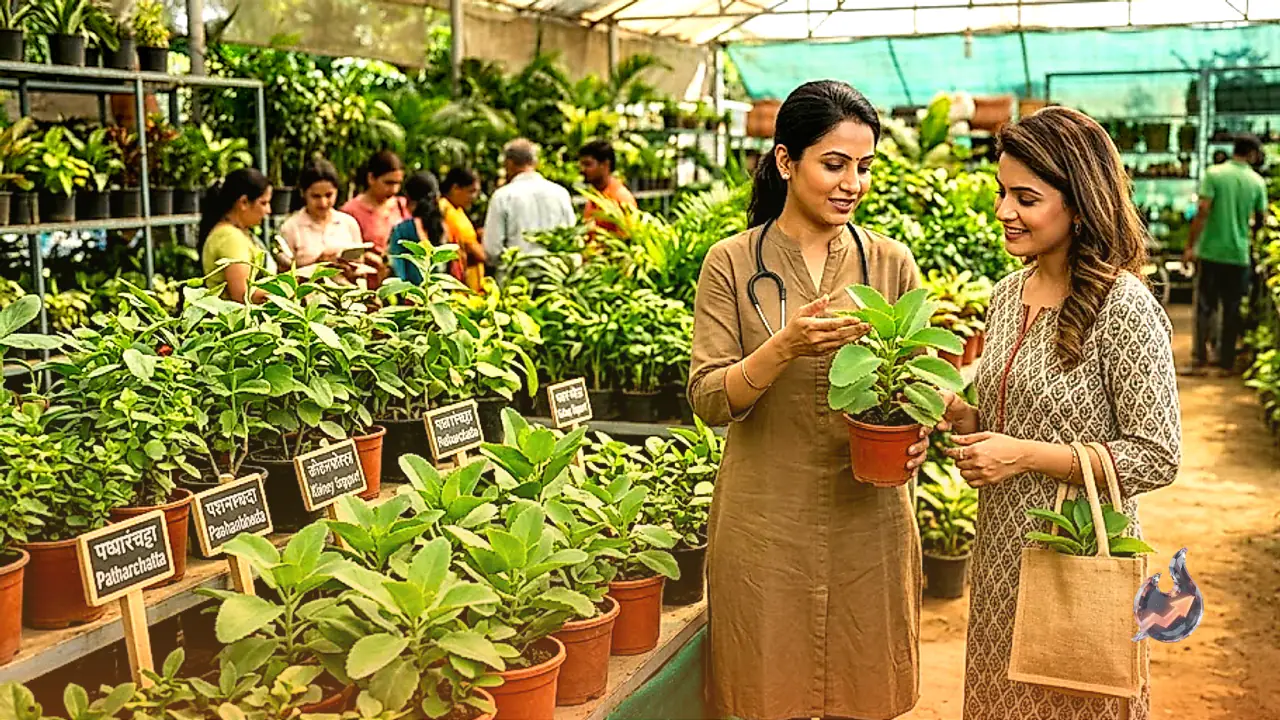

A distinct shift in gardening preferences is unfolding across plant nurseries in Faridabad this season. Beyond simply enhancing aesthetic appeal or adding green accents to residential spaces, citizens are progressively prioritizing plants that carry documented therapeutic values. Amid persistent urban pollution and environmental challenges, homeowners are actively seeking out flora that combine environmental purification with traditional Ayurvedic utility. Front and center among these popular choices is Patharchatta, a resilient botanical species experiencing a substantial surge in consumer demand. The current monsoon season, with its optimal soil moisture and ambient humidity, has accelerated the sapling's propagation and availability across local plant markets. Because it requires minimal maintenance and adapts easily to domestic spaces, residents are widely adopting it for household cultivation.
Ayurvedic Heritage as Pashanbheda
In classic Indian botanical and medical heritage, this plant holds a distinguished position. According to Dr. Chetan Sharma, an Ayurvedic specialist at Sarvodaya Hospital in Faridabad, the plant is identified as Pashanbheda in Sanskrit literature and ancient health treatises, while commonly being referred to as Patharchatta in Hindi parlance. The nomenclature itself reflects its peculiar growth habit in natural habitats. The plant exhibits a unique physiological capacity to germinate and thrive amid dense rock formations, stony crevices, and nutrient-poor terrain. In plains, public gardens, and open fields, it can routinely be observed spreading close to the ground. Its fleshy, succulent foliage facilitates moisture retention, contributing to its durability. Over centuries, traditional practitioners have cataloged its leaves for therapeutic formulations aimed at resolving internal blockages.
Therapeutic Role in Addressing Renal Stones
The primary clinical interest surrounding Patharchatta centers on its application for managing renal calculi, commonly known as kidney stones. Dr. Chetan Sharma explains that the plant's ability to pierce through hard stone structures in nature mirrors its internal action on mineral deposits inside the human renal system. When crystalline accumulations form within the kidneys due to mineral imbalance, the active compounds within Pashanbheda assist in fragmenting these hard deposits into finer particles. This disintegration process allows the kidney stones to pass more smoothly through the urinary tract, reducing the discomfort associated with renal blockages. Consequently, extracts and derivatives of this herb are routinely incorporated into multi-herb Ayurvedic formulations formulated for renal wellness.
Diuretic Action and Urinary System Support
Apart from its stone-disintegrating qualities, Patharchatta serves as an effective natural diuretic. Medical experts point out that the botanical components of Pashanbheda promote fluid excretion by enhancing the frequency and volume of urination. For individuals experiencing urinary retention, painful micturition, or irritation along the urinary passage, the administration of this herb aids in clearing blockages and soothing inflamed tissues. In Ayurvedic clinical practice, decoctions prepared from the plant have long been prescribed to flush out metabolic waste, prevent urinary tract stagnation, and preserve the structural integrity of both the kidneys and connected excretory organs.
Preparation Method and Dosage Guidelines
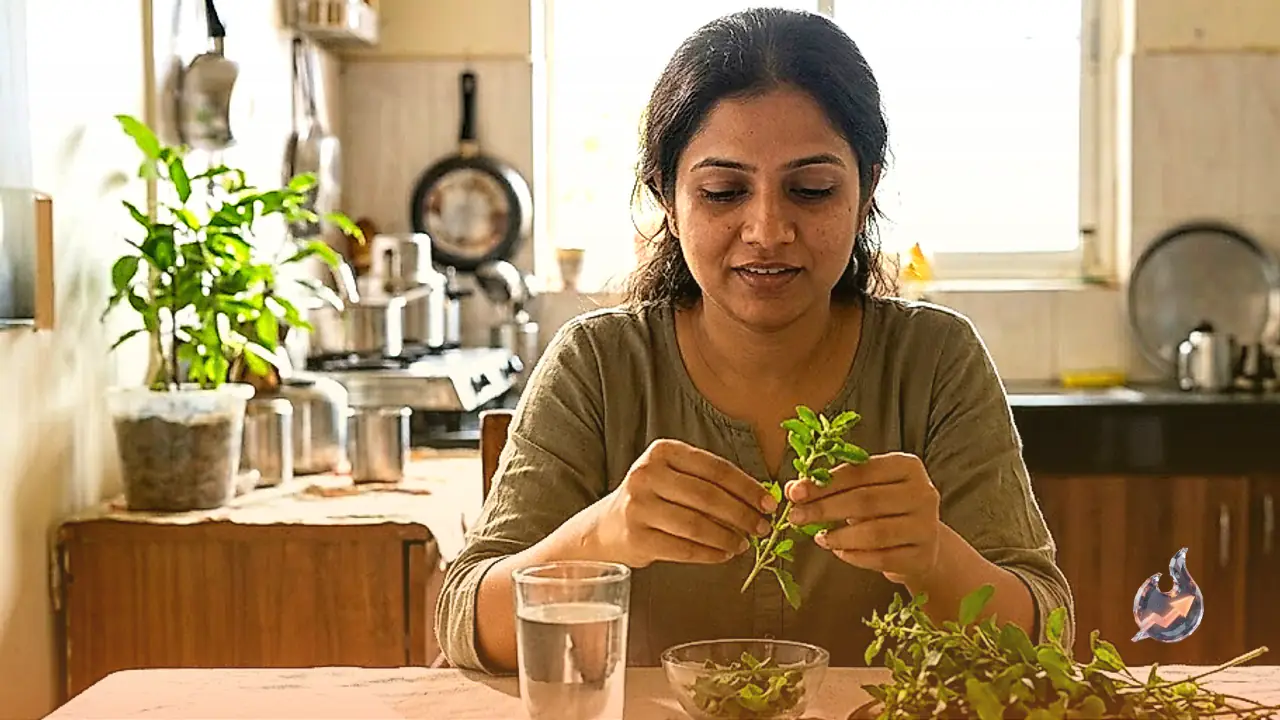
Harvesting fresh foliage from domestic Patharchatta plants allows for direct extraction of its active juices. Dr. Chetan Sharma notes that when fresh leaves are accessible at home, crushing them using a traditional grinding stone or mortar remains the preferred method to preserve key botanical properties. The recommended regimen involves taking 2 mL of this freshly extracted leaf juice twice daily, specifically before morning and evening meals. This specific measure supports kidney filtration and assists in flushing out accumulated toxins. However, individual requirements vary considerably based on age, stone size, and overall physiological health, necessitating customized dosage adjustments under professional guidance.
Changing Urban Gardening Preferences in Faridabad
The monsoon period naturally prompts an increase in plant sales, as environmental conditions favor rapid root establishment. In an industrial center like Faridabad, where atmospheric pollution remains a ongoing concern, urban dwellers view green spaces as a vital countermeasure. Nursery operators observe that contemporary buyers no longer evaluate plants solely on visual charm or flower yield. Instead, customers routinely inquire about medicinal attributes, air-filtering efficiency, and historical Ayurvedic context before making purchases. Patharchatta fits these criteria exceptionally well, serving simultaneously as resilient home greenery and a readily accessible botanical resource for domestic health management.
Necessity of Professional Medical Consultation
While the health properties of Patharchatta are well-recognized in traditional medicine, self-directed administration without expert oversight presents potential health risks. Dr. Chetan Sharma emphasizes that individuals should refrain from initiating self-medication protocols without first consulting a qualified Ayurvedic practitioner. Human constitutional types differ, and a remedy suitable for one individual may produce adverse effects or remain ineffective in another. Factors such as the exact dimensions and positioning of kidney stones, along with underlying medical conditions, dictate whether the administration of Patharchatta juice is appropriate and in what specific concentration. Seeking professional medical advice ensures safe and effective outcomes without compromising renal function.