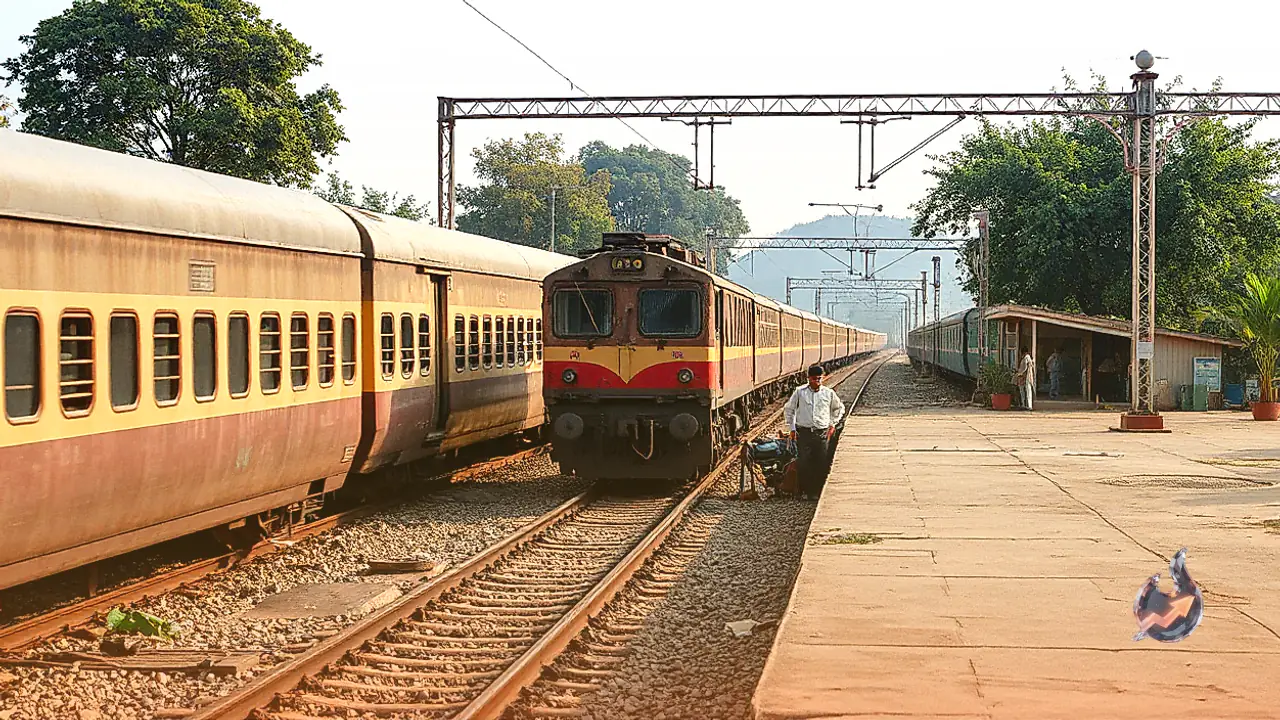



















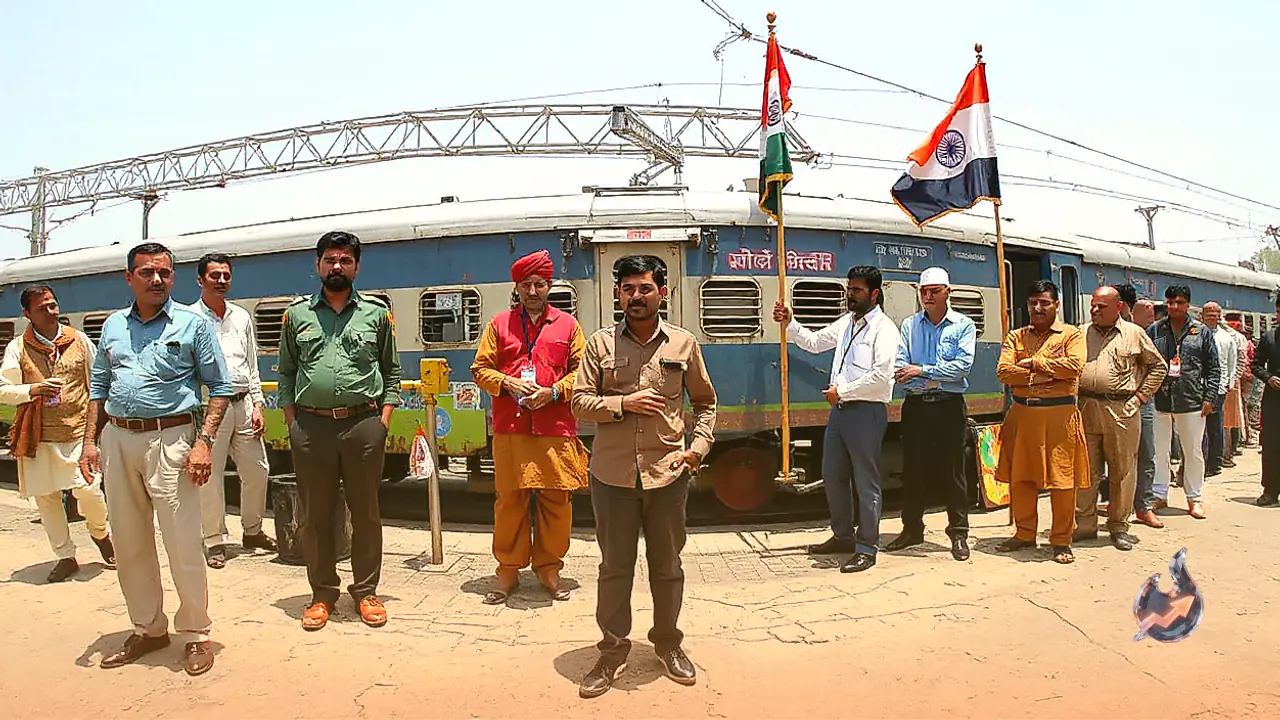

Rail connectivity between eastern Uttar Pradesh and the national capital entered a new chapter with the operational launch of the Varanasi to New Delhi Vande Bharat Sleeper Express. Uttar Pradesh Chief Minister Yogi Adityanath along with Union Railway Minister Ashwini Vaishnaw officially flagged off the inaugural run from Varanasi on Saturday evening. The newly introduced premium overnight service provides travelers from the region with a faster, quieter, and substantially upgraded commuting alternative to Delhi-NCR, allowing passengers to depart after dinner and arrive at their destination early the following morning.
Enhanced Passenger Comfort and Modern Safety Engineering
Engineered specifically for long-distance overnight travel, the new train incorporates structural and interior design choices aimed at elevating passenger comfort. The coaches are outfitted with an improved suspension mechanism designed to minimize lateral vibrations and track noise, paired with plush, ergonomically contoured berths. To keep devices powered throughout the trip, every berth offers access to dedicated charging points featuring standard 3-pin sockets alongside USB Type-A and Type-C ports suitable for laptops and smartphones.
The train features a multi-tiered safety infrastructure. Coach interiors and shared spaces are monitored through comprehensive CCTV surveillance networks. Safety is further bolstered by integrated smoke and heat detection apparatus alongside responsive emergency alarm systems. To prevent head-on collisions, the train incorporates modern TCAS crash avoidance technology. Ensuring full accessibility, dedicated compartments provide customized berths and accessible bio-toilets for passengers with disabilities, while first AC travelers have access to onboard shower cubicles supplied with hot water.
Timetable, Halts, and Operational Schedule
The semi-high-speed overnight train will run six days a week on both routes. Services originating from Varanasi will not operate on Fridays, whereas the return service originating from New Delhi will remain non-operational on Saturdays.
Under the established timetable, train number 27421 departs Varanasi Junction at 08:50 pm. It halts at Prayagraj Junction at 10:35 pm, departing at 10:40 pm, before pulling into Kanpur Central at 12:40 am and leaving at 12:45 am. The train reaches Aligarh Junction at 03:55 am for a two-minute stoppage until 03:57 am, touches Ghaziabad Junction at 05:25 am to depart at 05:27 am, and reaches New Delhi Railway Station at 06:10 am the next morning.
In the return direction, train number 27422 pulls out of New Delhi Railway Station at 09:40 pm. It arrives at Ghaziabad Junction at 10:13 pm and departs at 10:15 pm, followed by Aligarh Junction at 11:20 pm with a departure at 11:22 pm. The train reaches Kanpur Central at 02:45 am, departing at 02:50 am, stops at Prayagraj Junction between 05:05 am and 05:10 am, and terminates at Varanasi Junction at 07:10 am.
Travel Time Gains Over Established Trains
A core benefit of introducing this premium rake onto the corridor is a marked reduction in overall running duration compared to existing overnight operations. When evaluated against the longstanding Shiv Ganga Express, travelers bound for New Delhi from Varanasi will save approximately 55 minutes on their trip. Passengers traveling in the opposite direction from New Delhi to Varanasi can expect their journey time to decrease by roughly 35 minutes, providing a more punctual and productive commuting schedule.