





















Dedicated to the well-being, success, and longevity of children, the revered fast of Ahoi Ashtami is observed annually on the eighth day (Ashtami tithi) of the waning phase of the moon in the Hindu month of Kartik. Considered an exceptionally demanding discipline, mothers observe a strict nirjala fast throughout the entire day, abstaining completely from food and water. The fast concludes in the evening after conducting ritual prayers to Ahoi Mata, followed by offering arghya upon sighting the stars in the twilight sky. In certain family traditions, devotees conclude their fast only after sighting the moon and presenting offerings. In 2026, this sacred observance falls on November 1, requiring first-time fasting mothers to familiarize themselves with the designated timings and ritual codes.
Auspicious Worship Muhurat and Tithi Timings
According to traditional calendar calculations, the Ashtami tithi of Krishna Paksha in Kartik begins at 2:51 PM on November 1. This astrological window concludes the following afternoon on November 2 at 1:10 PM. For performing the central prayers dedicated to Ahoi Mata, the most auspicious ritual period extends from 5:36 PM to 6:54 PM in the evening. Completing the core ceremonies within this designated timeframe is considered ideal for seeking divine blessings for one's children.
Sighting the Stars and Moonrise Schedule
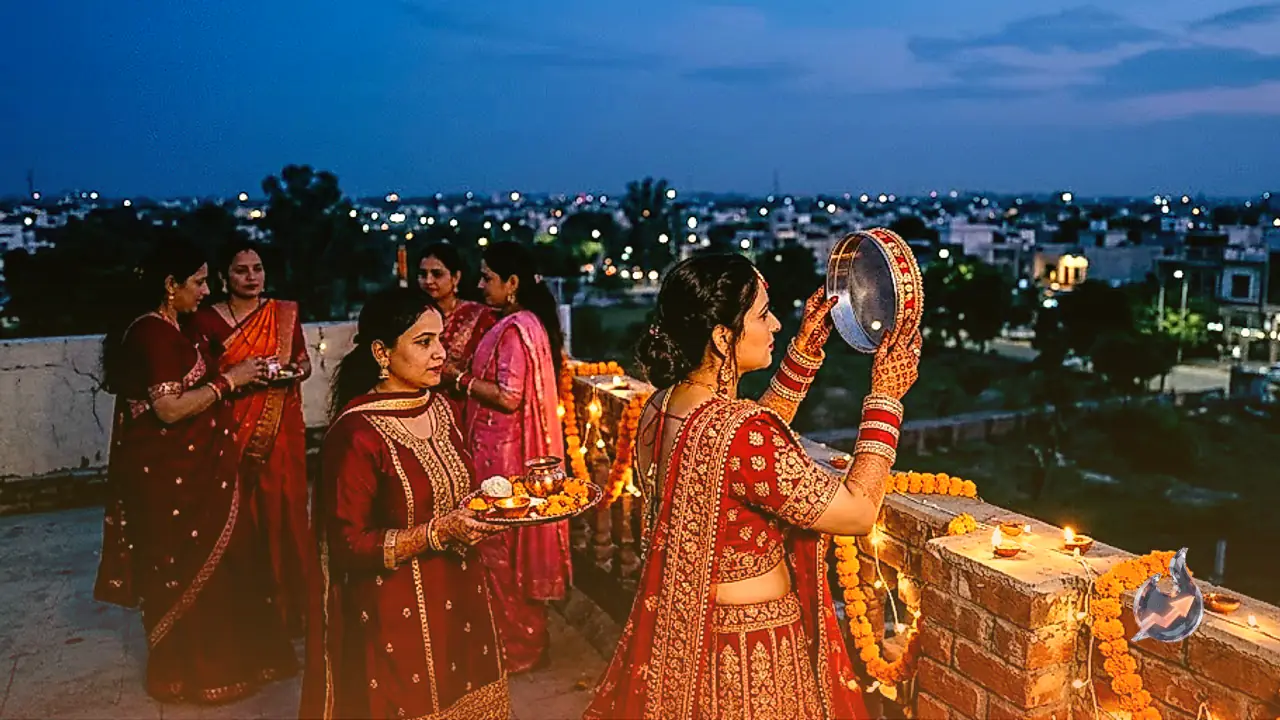
Much like Karwa Chauth, Ahoi Ashtami involves an unyielding level of ascetic dedication, requiring participants to refrain from even drinking water until ritual sight is attained. The recommended twilight time to view the stars in the evening sky is scheduled around 6:00 PM, allowing women following this tradition to present their sacred water offering and conclude their fast. For families whose customs dictate waiting for the celestial moon, moonrise is expected late in the night at 11:40 PM. Consuming any food, grain, or water prior to completing the celestial sighting and offering remains prohibited.
Essential Discipline and Ritual Rules for Fasting Mothers
Preserving the sanctity of this observance calls for adherence to specific traditional customs and taboos. Women observing the fast should strictly avoid daytime sleeping, as restful slumber is prohibited during active fasting hours. Attire choices also demand care: wearing black garments is strongly discouraged, with traditions recommending auspicious, vibrant colors instead. Furthermore, handling sharp household instruments such as scissors, knives, or other pointed implements should be avoided throughout the day.
During the evening devotions, reading or listening to the sacred traditional narrative of Ahoi Ashtami is an indispensable step, as folklore dictates that the full benefits of the discipline cannot be realized without the story recitation. For homes where painting the traditional maternal iconography on walls is impractical, setting up an official commercially printed calendar or depiction of Ahoi Mata suffices for worship. Once the celestial offerings are made, participants must break their fast exclusively with pure, sattvic vegetarian food.