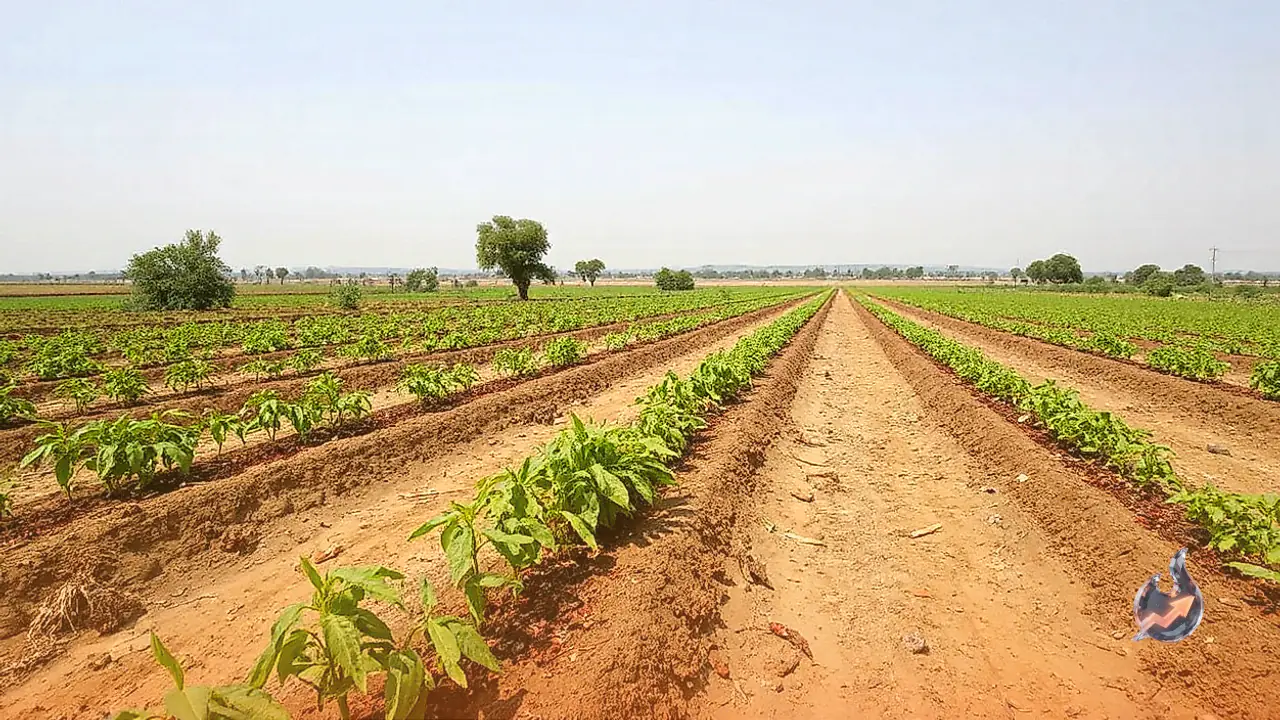
















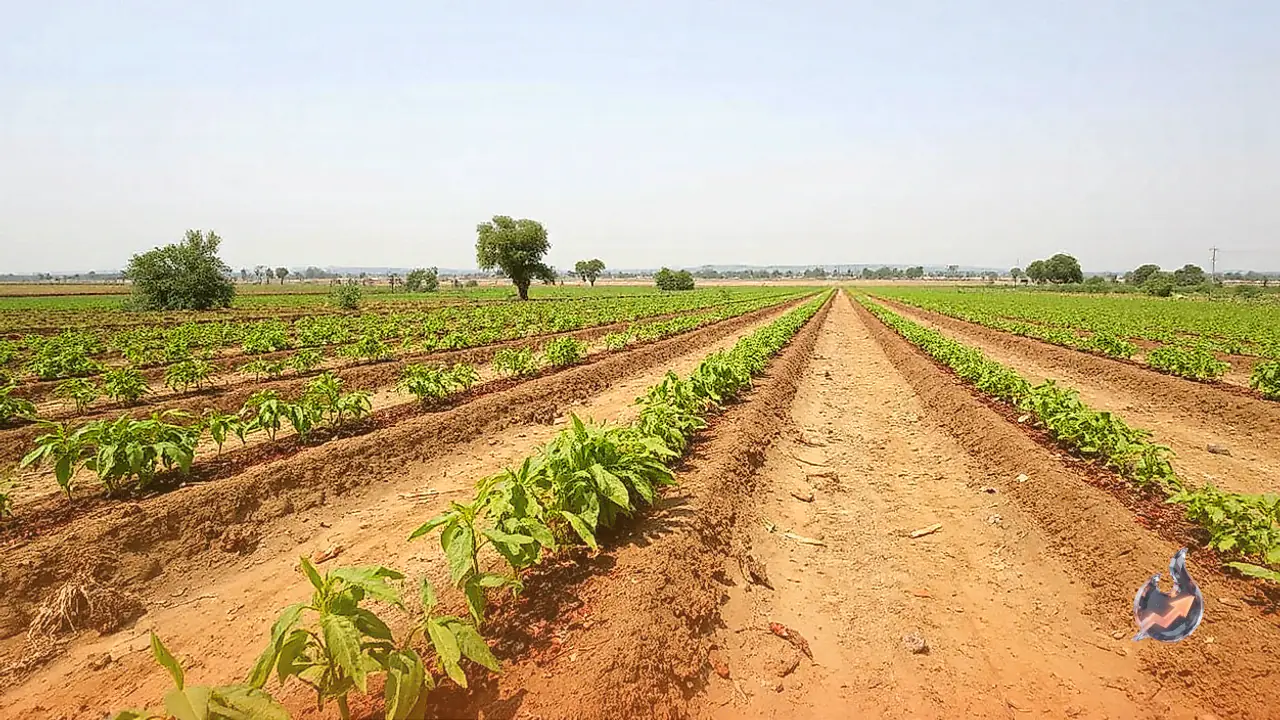

A notable agricultural shift is unfolding in Rajasthan's Jalore district, where growers are actively moving away from conventional grain routines toward commercial crops that offer substantial financial returns. Among these alternative options, chilli cultivation has emerged as an attractive and reliable income stream for local cultivators. In villages such as Dungari, Aarwa, and Badgaon, along with several adjacent agrarian belts, agricultural fields are currently bustling with developing chilli crops. With the crop presently passing through crucial vegetative growth phases, farmers are committing dedicated attention to daily field maintenance and plant nourishment.
Water Conservation Through Drip Irrigation and Mulching
Achieving profitable yields in chilli farming depends heavily on initial soil preparation, bed shaping, and structured planting layouts. Rather than relying on traditional flood irrigation, farmers across Jalore are systematically adopting modern agricultural technology. Field plots are prepared using raised ridge planting combined with surface plastic mulching and precision drip lines. Drip tubing delivers calibrated volumes of moisture directly to the root zones of individual plants, virtually eliminating water wastage. Simultaneously, the reflective mulching sheets trap essential soil moisture, maintain stable root temperatures, and suppress persistent weed growth, which drastically lowers the manual labor needed for periodic weeding.
Careful Field Oversight Yields Promising Results
Himmataram, an experienced farmer raising chillies in the Dungari region, notes that successful production requires meticulous oversight right from transplantation. Implementing drip lines alongside mulching not only secures vital water savings in an arid environment but also significantly streamlines day-to-day crop management. Continuous monitoring of plant vigor coupled with regular, targeted hydration ensures that growers can realistically expect strong harvests and firm fruit quality from compact plots of land.
Scientific Pest Defense and Sticky Traps
Chilli plants remain vulnerable to shifting climatic stresses, which regularly trigger infestations of damaging insects and infectious pathogens. Yields are frequently threatened by invasive sap-sucking pests like thrips and mites, destructive fruit borers, and debilitating mosaic viral infections. To combat these risks before they escalate, local growers are maintaining strict vigil across their plots. Cultivators are actively deploying colored sticky traps for early insect detection and physical capture, relying on scientifically grounded pest and disease management guidelines to protect their stands.
Balanced Fertigation and Optimal Canopy Aeration
Securing high-grade market produce also requires the measured administration of balanced fertilizers and micro-nutrients. By leveraging fertigation through existing drip pipelines, farmers feed soluble fertilizers directly into root zones, maximizing nutrient absorption efficiency while cutting down chemical runoff. Furthermore, growers maintain precise spacing between adjacent ridges and individual saplings to permit unobstructed airflow and generous sunlight penetration. This open canopy structure helps keep humidity levels in check, drastically minimizing fungal vulnerabilities. For smallholders managing limited acreage across Dungari, Aarwa, and Badgaon, combining these structural techniques makes intensive vegetable cultivation both manageable and economically viable.