

















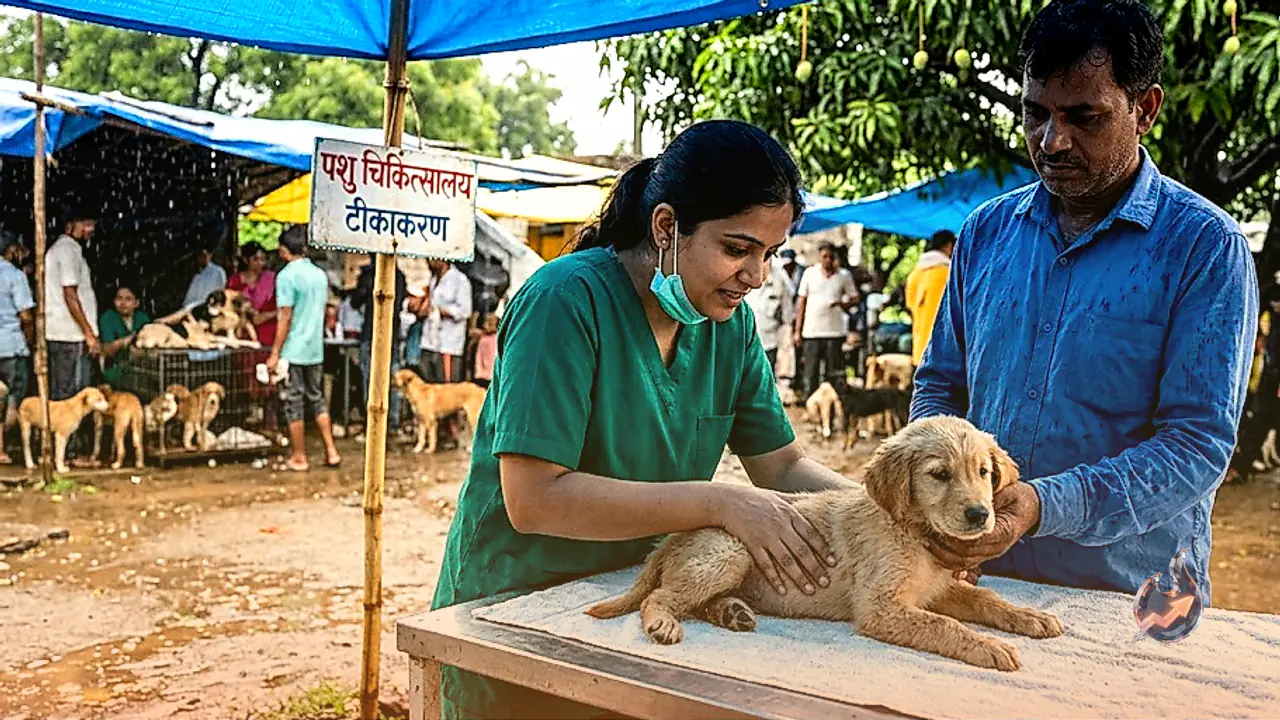

Monsoon rain may bring relief to people, but for pet dogs, especially young puppies, this season brings a serious health risk. In Khargone district, cases of Parvovirus infection in dogs have been rising sharply since the onset of the monsoon, and veterinarians are urging pet owners to take the illness seriously, since a delay in diagnosis can prove fatal for puppies.
Why Cases Spike Every Rainy Season
According to Dr Aditya Raj Parmar, a veterinary assistant surgeon in Khargone, the hospital's OPD sees a rise in Parvovirus cases among dogs every year as soon as the rains begin. Puppies aged one and a half to 3 months are the worst affected, since their immune systems are still developing and their resistance to disease remains weak at this stage. Dr Parmar explains that if an infected dog comes into contact with another dog, the virus can spread rapidly. The risk also increases sharply when unvaccinated pet dogs are taken outdoors for walks. If an infected dog's faeces are lying on the way and a pet comes into contact with it, the infection can spread from there as well.
Early Signs That Look Mild But Should Never Be Ignored
The early symptoms of Parvovirus infection can appear deceptively minor, which is why many owners fail to take them seriously, often a costly mistake. The first sign is usually sudden lethargy, when an infected puppy stops playing and becomes unusually quiet. This is followed by repeated vomiting, where whatever the puppy eats or drinks comes right back out. As the illness progresses, severe diarrhoea sets in, sometimes containing blood and accompanied by a strong foul smell. Through all this, the puppy weakens rapidly.
No Confirmed Cure Yet, Treatment Focuses on Managing Symptoms
Dr Parmar makes clear that there is still no confirmed cure for Parvovirus. Treatment is symptomatic, aimed at preventing dehydration and limiting the damage caused by the infection. If treatment begins in the early stages of the illness, a puppy's chances of survival improve considerably. However, if treatment is delayed, the condition can turn serious. With proper care, puppies generally show signs of recovery within about 7 days. If there is no improvement even after that period, it is usually taken as a sign that the condition has worsened.
How to Protect Your Pet
Experts say the most reliable way to prevent Parvovirus is timely vaccination. Newly brought-home puppies should also be kept separate from other dogs in the house for a few days to reduce the risk of infection spreading. Keeping the house and surrounding areas clean is equally important, along with preventing pet dogs from coming into contact with filth or stray dogs. If a pet dog suddenly appears lethargic, starts vomiting or having diarrhoea, or stops eating, it should be taken to the nearest veterinary hospital without delay. A little extra caution during the monsoon season can end up saving your pet's life.