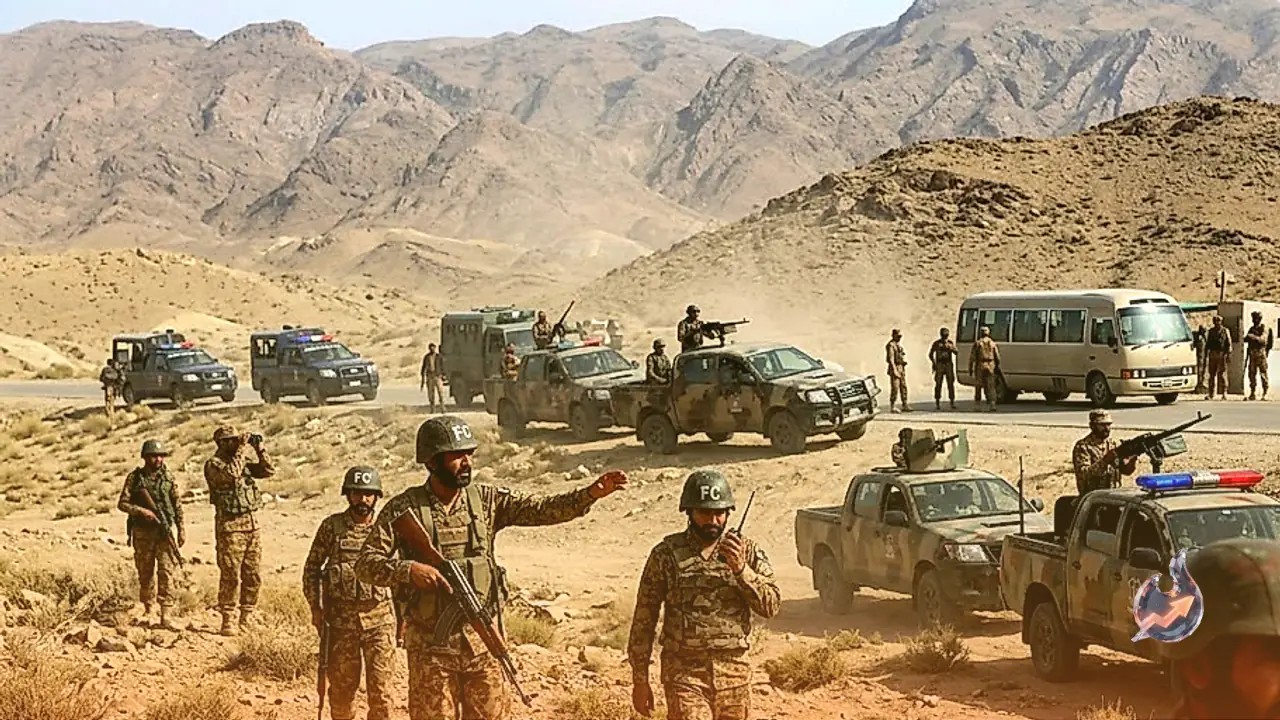





















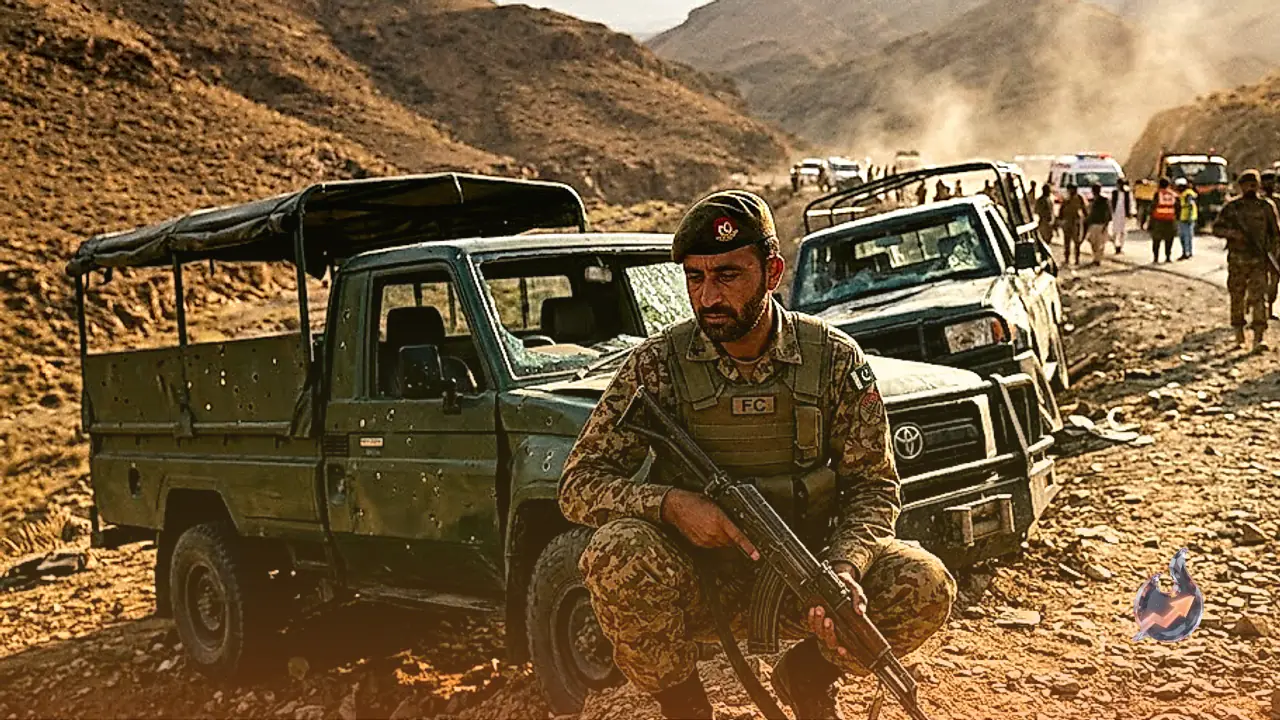

The Balochistan Liberation Army, or BLA, has carried out one of its most meticulously planned assaults yet in Pakistan's Mastung district, inflicting heavy losses on Pakistani security forces. In an ambush in the Khadkocha area, more than 45 Pakistani soldiers were killed, and the BLA's specialised Fatah Squad has claimed responsibility for the attack. The assault comes at a time when Pakistan's security establishment is already struggling on multiple fronts, from Pakistan-occupied Kashmir to Balochistan, with the pairing of Prime Minister Shehbaz and Army Chief Munir appearing unable to bring the situation under control. Pakistani army personnel are being killed in one location after another, and the Mastung ambush is the latest and among the deadliest incidents in that pattern.
The attack targeted the entire convoy of buses carrying soldiers, along with the security team escorting the convoy and the reinforcements that were rushed in later to manage the situation. Reports indicate that sporadic clashes are still continuing in the area. An assault carried out on this scale and with this level of coordination points to the growing lethal capability of the Baloch insurgency, while also exposing deep strategic and operational weaknesses in how the Pakistani army functions on the ground.
A road network that gives away troop movement in advance
Balochistan is Pakistan's largest province by area but its most sparsely populated. That geography poses a serious logistical challenge for the army when it comes to moving troops and supplies. Across this vast, arid terrain, the military is forced to rely on a very limited network of main highways to move soldiers from one point to another, since alternative routes are either scarce or non-existent.
This geographic constraint makes troop movement highly predictable. Insurgent groups like the BLA can observe these isolated routes for days or even weeks, study patterns in how soldiers move, and then deliberately pick the exact chokepoints where an ambush would be most devastating. By occupying the high ground overlooking these desolate roads in advance, BLA fighters are able to dictate the terms of the fight before the first shot is even fired. A similar pattern appears to have played out in Mastung's Khadkocha area, where the convoy was cornered in a spot that left little room for escape.
Unarmoured buses, and casualties that mount in seconds
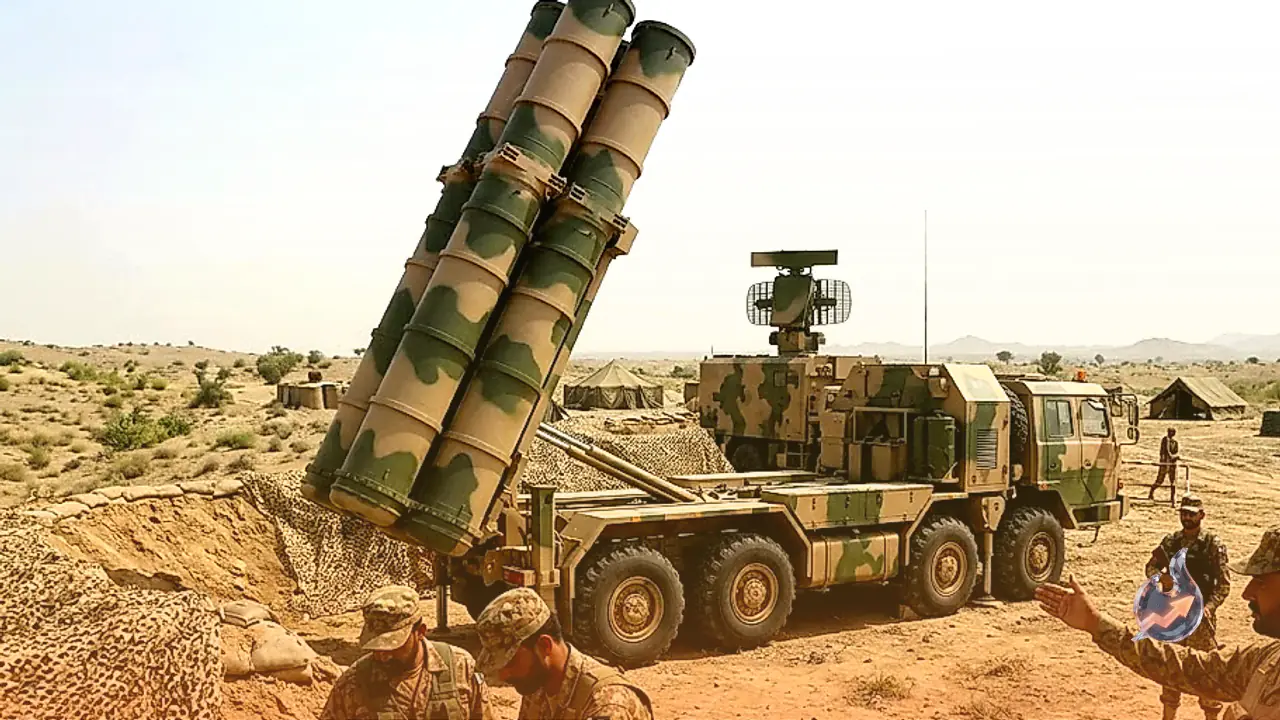
Predictable routes are not the only problem. The Pakistani army also suffers from a severe shortage of proper protective equipment. According to BLA statements, Pakistani forces frequently transport soldiers into active conflict zones in ordinary, unarmoured passenger buses instead of Mine-Resistant Ambush Protected, or MRAP, vehicles that are specifically built to withstand landmines and ambushes.
This reliance on civilian-style transport makes Pakistani army convoys an easy target. Without reinforced armour, these buses can neither withstand an improvised explosive device, or IED, blast nor protect troops from sustained gunfire. When an ambush is sprung, the bulk of the casualties occur within the opening seconds or minutes, leaving soldiers inside the bus with very little chance of escape. This is widely seen as a major reason why the death toll in Mastung crossed 45 soldiers.
Fighting blind: a deep intelligence gap
Perhaps the toughest challenge Pakistani forces face in this region is the severe lack of intelligence. In Balochistan, the army does not receive adequate intelligence cooperation from the local population. Decades of harsh military operations combined with a sense of political betrayal have left the local Baloch population deeply resentful of the Pakistani government. This alienation has created an environment in which the army is able to gather almost no reliable information on the ground.
While government forces struggle even to recruit local informants, insurgent groups such as the BLA receive intelligence support, whether direct or indirect, from local communities with relative ease. The result of this lopsided flow of information is that militants often have near complete knowledge of troop movements, patrol timings and how the army is likely to respond, while the Pakistani army itself has almost no warning of an approaching threat. The same pattern repeated itself in the Mastung attack, where both the convoy and the reinforcements sent in afterwards were targeted with precision.
Gas, copper and gold: resentment on resource-rich, poverty-stricken land
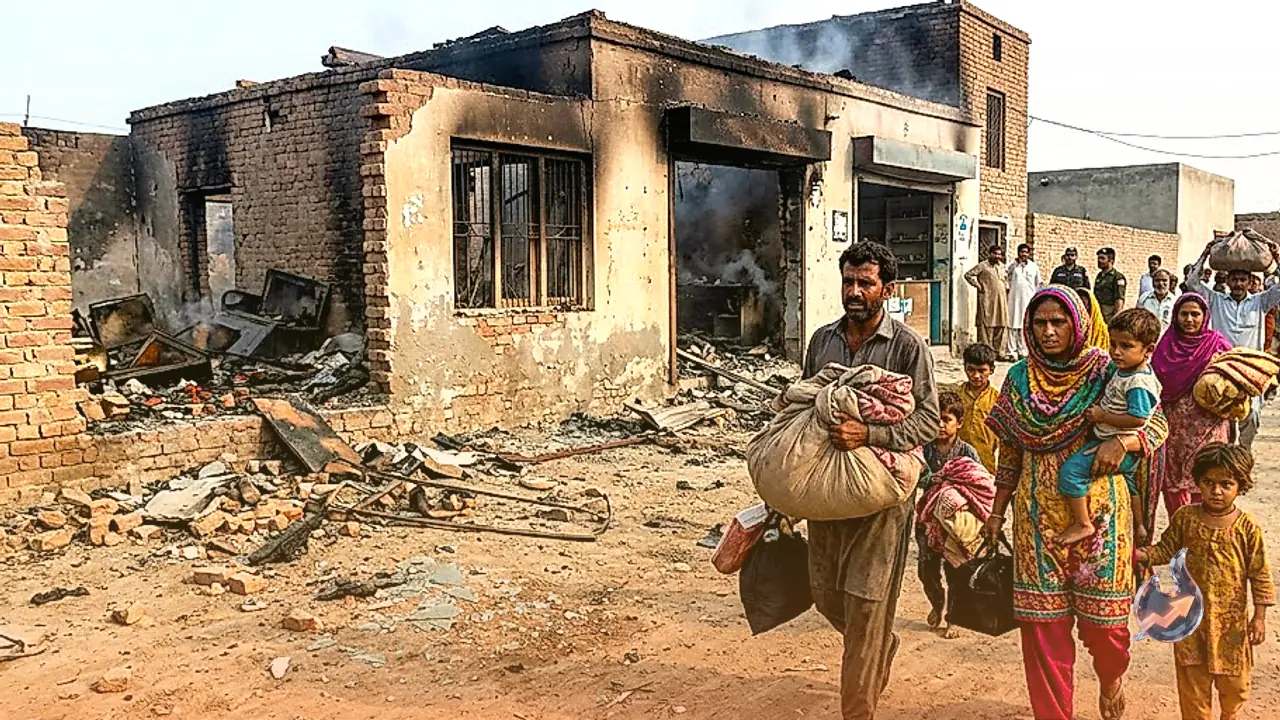
Balochistan's natural resources are also widely cited as a major driver of this conflict. The province is rich in natural gas, copper and gold. Yet local residents believe these resources are being systematically extracted by the Punjabi-dominated federal government, with the profits sent out of the region. Even as the government draws out mineral wealth worth billions from Balochistan, the local communities living around these large projects often lack clean drinking water, reliable electricity or even basic healthcare facilities.
This economic divide continues to fuel the insurgency. Grievances that local communities have nursed for years have hardened into a violent, battle-tested resistance, and the ambush in Mastung's Khadkocha area is its latest and most severe expression yet. A predictable highway network, unarmoured transport, a deep intelligence vacuum and simmering anger over resource extraction, together these four factors are making the ground situation increasingly difficult for the Pakistani army in Balochistan.