





















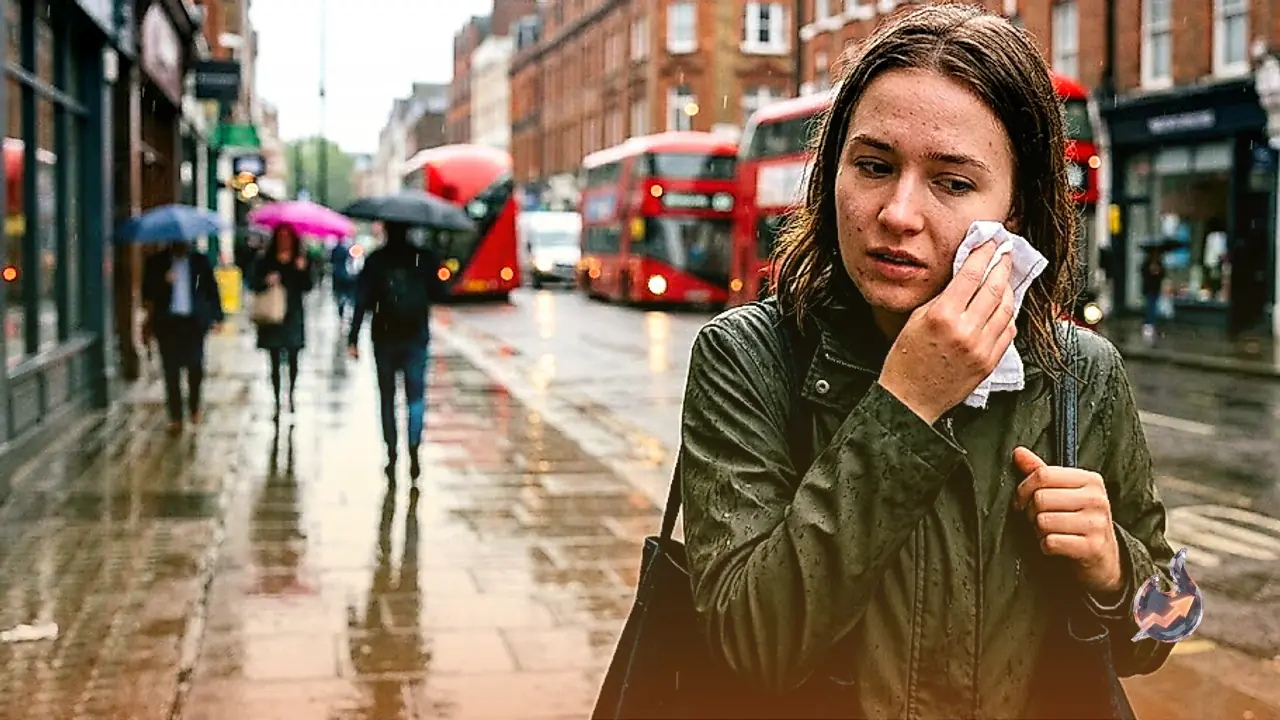

As monsoon showers roll in, plenty of people can't resist stepping out to get drenched, but skin specialists say rainwater isn't automatically safe for the skin. Decades ago rain was considered fairly clean, but today's air carries dust, smoke, pollution and fine particulate matter that mix into raindrops on their way down. That means getting soaked doesn't guarantee a skin benefit, and people whose skin is already sensitive, or who deal with acne or allergies, need to be especially careful.
Why the season's first rain deserves extra caution
According to dermatologists, the very first spell of rain in a season tends to carry the highest concentration of pollutants, because dust, smoke and grime that have built up in the atmosphere get washed down along with the water. That is why staying out in the first rain for long stretches is generally discouraged. Showers that follow later in the season tend to be comparatively cleaner, but that doesn't mean they are completely risk free either, since pollutant levels in the air keep fluctuating with every spell.
Sensitive skin needs a more careful approach
People with very sensitive skin, or those who deal with eczema, recurring rashes, allergies or acne, can experience irritation and itching after getting wet in the rain. Their skin tends to react faster to contaminated rainwater than normal skin does, so specialists recommend they avoid staying out in the rain for extended periods.
Washing up right after getting wet matters
If getting soaked is unavoidable, the first thing to do after reaching home is to rinse the face and body thoroughly with clean water. This removes dust, grime and other particles that have settled on the skin, preventing them from clogging pores and triggering infections or breakouts. Following that up with a mild face wash and a moisturizer suited to one's skin type is helpful.
Yes, moisturizer is still necessary during the rains
A common assumption is that monsoon humidity in the air makes moisturizer unnecessary, but that isn't accurate. The skin's natural oil and moisture balance can still get disrupted during the rainy season. Using a light, non oily moisturizer helps keep the skin healthy and balanced, controlling both dryness and excess greasiness.
Stay away from water pooled on the streets
Rainwater that collects on roads and streets can be far riskier than rain falling directly from the sky. Such standing water can harbour bacteria, fungus and assorted dirt that may cause skin infections. Anyone with a cut, scrape or open wound on their body should be particularly careful about avoiding contact with this water, since it raises the risk of infection spreading through the wound.
Sunscreen still matters on cloudy days
Cloud cover during the monsoon doesn't mean the sun's harmful rays disappear entirely. On days when long hours are spent outdoors, applying a sunscreen suited to the weather can help protect the skin from damage.
Don't neglect hydration from within
Keeping skin healthy and glowing isn't just about external care, drinking enough water through the day matters just as much. Adequate water intake keeps the skin hydrated and preserves its natural glow, an effect that creams and lotions alone cannot replicate.
See a doctor if the irritation doesn't go away
If redness, itching, swelling, rashes or a burning sensation persist on the skin after getting wet in the rain and home remedies aren't providing relief, it is better to consult a dermatologist promptly rather than continuing to rely on home treatments, so the problem doesn't worsen.