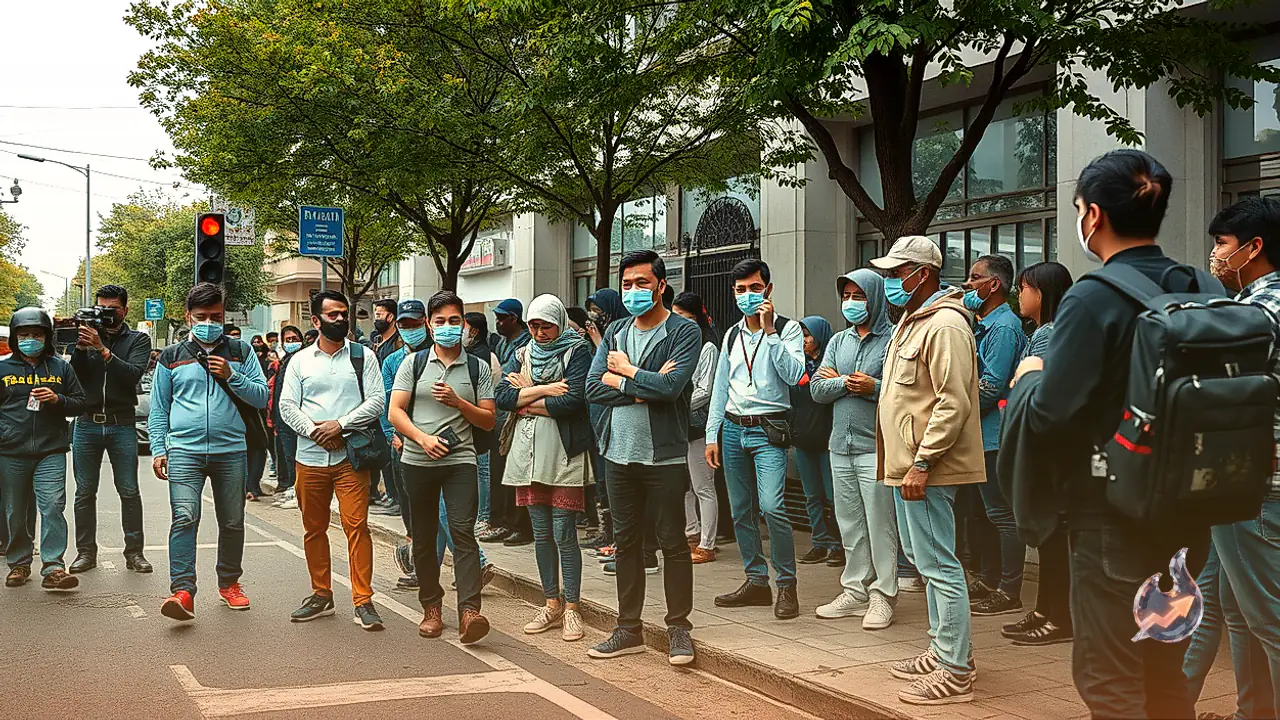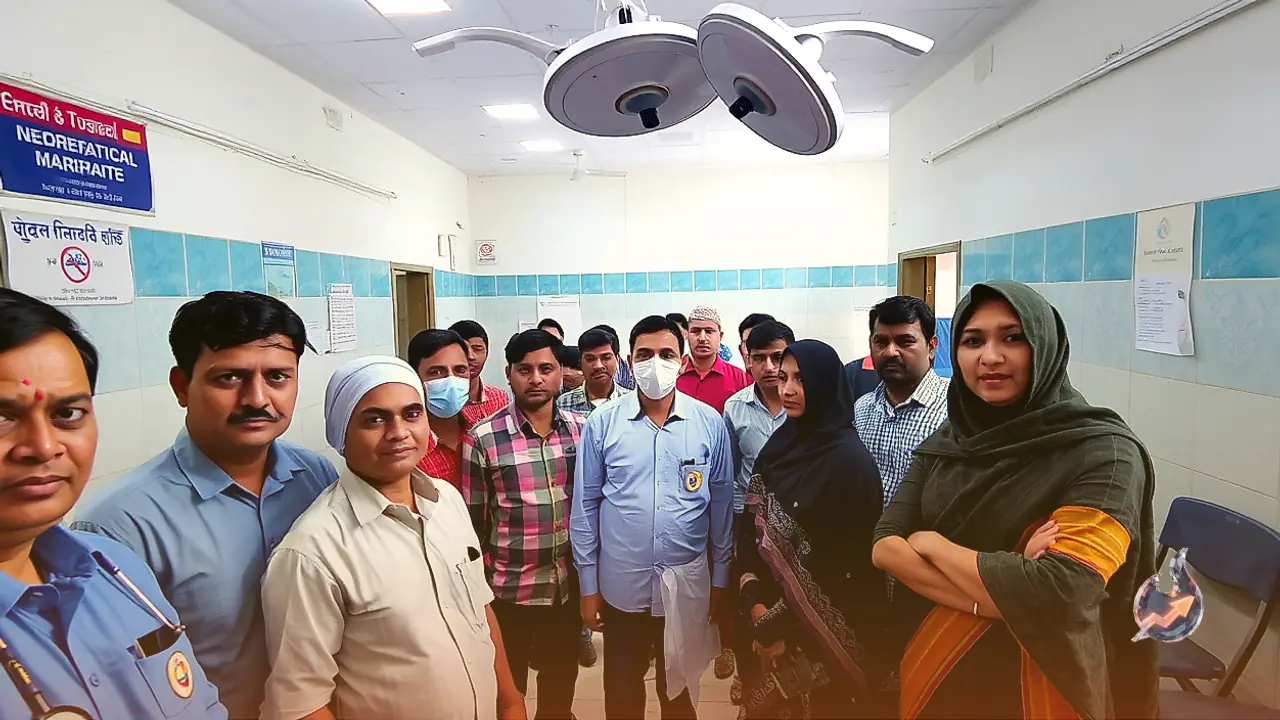

























Intense workplace competition and tight corporate deadlines are taking a severe toll on the mental well-being of young professionals living in major metropolitan hubs. Caught between personal responsibilities and the relentless demand to deliver timely results, many workers find themselves overwhelmed by persistent strain. Under such heavy burdens, minor daily frictions often escalate in the mind into seemingly insurmountable crises. Gaurav Thakur, Deputy Dean at Maharishi University of Information Technology, compared this psychological distress to mistaking a harmless rope lying in the dark for a dangerous snake. In his assessment, internal apprehension and imagined fears frequently balloon into something far more intimidating than the actual difficulty, though this by no means implies that depressive episodes or anxiety are merely imaginary. Acknowledging these emotional struggles and actively reaching out to seasoned professionals remains essential.
The Weight of Urban Ambition and Internal Anxiety
The aggressive push to accelerate personal progress and achieve outsized career milestones within unrealistic timeframes remains a major driver of chronic distress. When individuals constantly operate under the severe anxiety of satisfying unrealistic self-imposed targets, their emotional equilibrium begins to falter. During these testing phases, learning to observe internal thought patterns and pinpointing the root trigger of one's frustration becomes vital. Shivam Yadav, a working professional based locally, notes that dedicating quiet moments to meditation provides genuine clarity when everyday pressures mount. Instead of spiraling into excessive rumination over trivial setbacks, developing an objective, solution-focused mindset is significantly more constructive.
Open Communication and Disciplined Mindfulness
Yoga instructors Piyush, Sudhir, and Nikita explain that confronting emotional fatigue begins with isolating the precise reasons behind one's distress. Once an individual identifies the underlying trigger, formulating an effective strategy to resolve it becomes much simpler. They stress the necessity of asking honest self-reflective questions and carving out dedicated personal time away from professional duties. If resolving a complication independently proves difficult, opening up to parents, dependable companions, teachers, or trusted mentors provides much-needed relief. Staying rooted within supportive family and community networks ensures people do not battle difficulties in total isolation, allowing them to benefit from the broader life experiences of others.
Sharing a similar viewpoint, Suhel points out that engaging consistently in mindfulness, yogic routines, and calming mental techniques equips individuals to regulate stress effectively. Rather than taking impulsive actions under duress, professionals must pause to evaluate problems objectively before responding. Aditi Srivastava, India Head Teacher of Transcendental Meditation, highlighted that stress triggers vary widely from one individual to another based on personal circumstances. While people are often fully conscious of behaviors that harm their health, discarding deeply ingrained routines is rarely straightforward without dedicated effort. Consequently, adopting pragmatic adjustments backed by steady practice is critical. To address these realities directly, the Spiritual Regeneration Movement Foundation of India collaborated with Maharishi University of Information Technology to organize a focused symposium. Together, they rolled out an initiative titled 'From Stress to Stillness', designed to visit diverse professional workspaces and deliver guided awareness sessions for employees.
Recognizing Critical Warning Signs and Clinical Advice
Dismissing persistent psychological discomfort or assuming that generic positive thinking alone can cure deep emotional unease can lead to serious harm. Muskan Trikha, a Clinical Psychologist at the Institute of Neurosciences at Medanta Hospital, emphasized the importance of tracking explicit physical and emotional warnings. Prolonged sadness, unexplained nervousness, pronounced alterations in appetite or sleep cycles, and a sharp decline in workplace productivity serve as vital distress signals that demand immediate notice. Maintaining transparent conversations with confidants, adhering strictly to a balanced daily schedule, getting sufficient sleep, and including regular physical exercise can substantially restore balance.
Experiencing temporary downshifts in mood or occasional anxiety is a normal dimension of human life. However, when feelings of emptiness and strain persist over prolonged stretches without relief, ignoring them poses severe risks. Losing interest in activities that previously brought joy, battling chronic fatigue, struggling with basic concentration, or finding basic daily responsibilities overwhelming indicate that mental health requires urgent attention. Under such circumstances, seeking advice from trained psychological specialists without postponing intervention can avert major crises.