



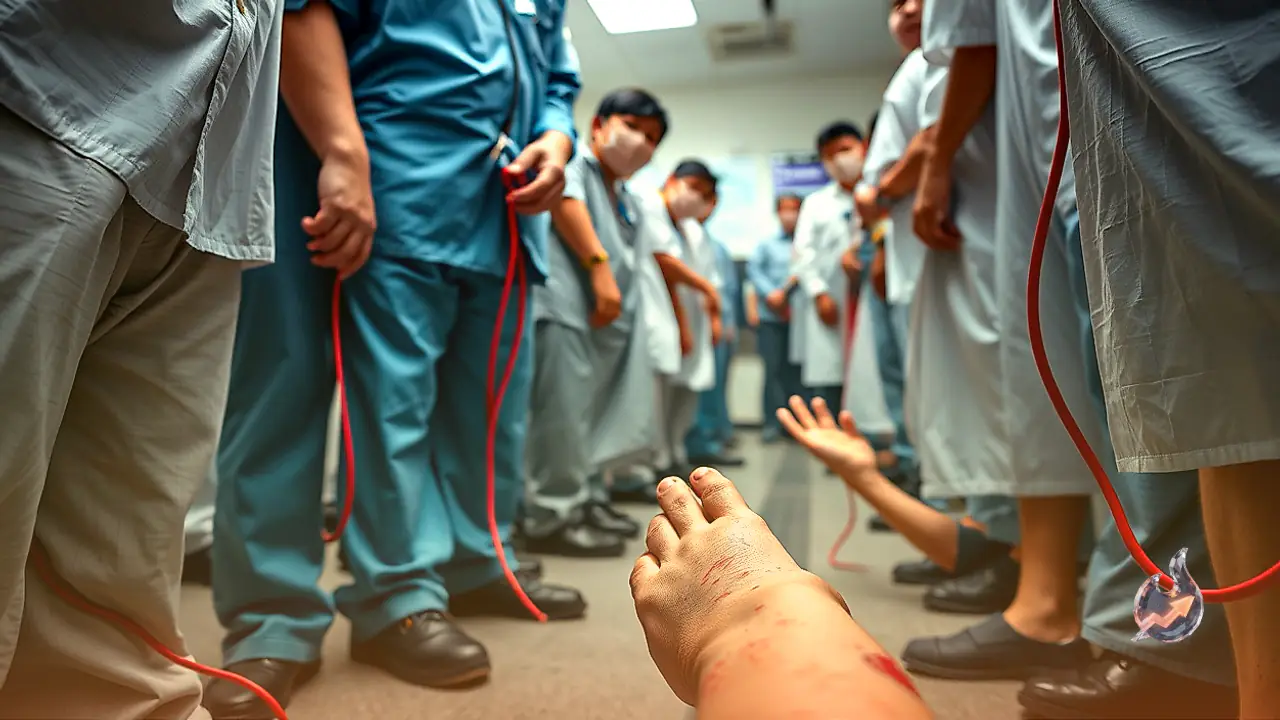

















Blockages within the circulatory system do not occur solely in coronary vessels; they can equally choke circulation across the lower extremities. When vital blood channels supplying the limbs become obstructed, peripheral tissues face acute oxygen starvation, creating medical emergencies that often go unrecognized. Healthcare professionals stress that public ignorance surrounding peripheral arterial conditions frequently delays intervention until tissue necrosis leaves amputation as the only surgical recourse.
Institutional Gaps and Infrastructure Deficiencies
The domestic healthcare landscape continues to face structural deficits in addressing complex circulatory disorders. Observations shared during professional medical forums indicate that primary state-run facilities, including premier national healthcare institutions, often lack specialized departments dedicated solely to vascular surgery and management. This shortage of focused divisions means that symptomatic individuals frequently bounce between general clinics before receiving an accurate assessment. In a recent clinical instance, a 29-year-old male experienced sudden immobility caused by a blocked vessel; prompt specialized intervention preserved his limb, which was otherwise at imminent risk of surgical removal due to compromised tissue perfusion. These clinical realities were discussed at a dedicated medical gathering hosted in the capital.
Symptom Recognition and Life-Threatening Risks
Specialists emphasize that noticeable temperature disparities between limbs, skin discoloration, and severe discomfort while walking warrant emergency medical appraisal. Max Healthcare specialist Dr. Tapish Sahu underscored that observing one warm leg alongside an abnormally cold limb accompanied by mobility-limiting pain strongly points toward blocked circulation rather than benign muscle strain. Immediate clinical consultation is essential to restore perfusion before irreversible tissue damage sets in.
Detailing another dimension of peripheral vascular pathology, Medanta senior director Dr. Tarun Grover noted that deep vein thrombosis involves internal clot formation capable of cutting off standard flow. Untreated clots can detach, travel toward pulmonary vessels, and induce life-threatening respiratory obstructions. Addressing long-term prevention, Vascular Society of India surgeon Dr. Bhupesh Garg indicated that habit modifications and targeted health management serve as the most effective defense against vascular degradation.
Primary Triggers and Everyday Preventive Actions
Chronic conditions coupled with lifestyle choices drive the growing prevalence of vascular blockages. Vascular surgeon Dr. Rajiv Parakh of Medanta highlighted that prolonged tobacco use, active cigarette smoking, and elevated blood glucose severely damage vascular walls over time. When tissues undergo persistent ischemic necrosis, secondary conditions such as gangrene develop, compelling surgeons to excise affected limb sections to halt systemic sepsis. Genetic factors also contribute to heightened individual susceptibility.
Preventive maintenance demands strict control over metabolic markers, including blood sugar, blood pressure, and cholesterol concentrations. Medical professionals advise routine low-impact exercise, optimal daily hydration, restorative sleep, and deliberate leg-strengthening movements. Furthermore, individuals should avoid remaining motionless in prolonged sitting or standing postures throughout working hours. Prompt medical evaluation at the very first manifestation of asymmetrical leg pain or swelling remains vital to protect both limb viability and general survival.