























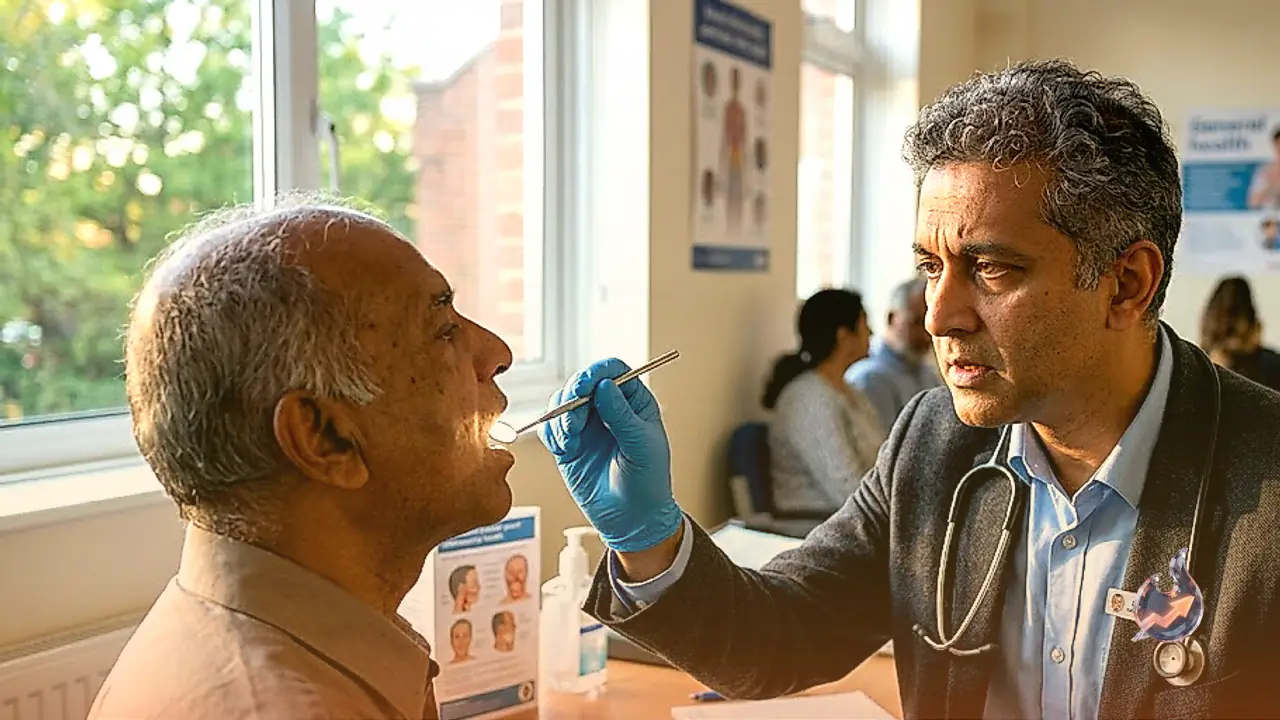

Every year on July 27, World Head and Neck Cancer Day is observed to raise awareness about a critical health issue that remains largely overlooked despite a steady rise in cases across India. While many people neglect minor oral discomforts, medical experts emphasize that early diagnosis can completely alter the treatment trajectory. When detected in its initial stages, head and neck cancer is highly treatable, enabling patients to lead healthy and normal lives afterward. Prominent oncologist Dr. Devesh Kishan from Yatharth Hospital in Delhi and Noida highlights the critical warning signs, risk factors, and preventive steps that everyone should understand to protect themselves from this life-threatening condition.
Understanding Head and Neck Cancer and Its Stages
Head and neck cancer encompasses several distinct types of malignancies that develop in the upper respiratory and digestive tracts. Like most forms of cancer, it progresses through stages ranging from Stage 1 to Stage 4. According to Dr. Devesh Kishan, the key advantage in managing head and neck cancer is its high treatability when caught early. In Stage 1 or Stage 2, timely medical intervention can curb the spread of cancerous cells, safeguard organ function, and significantly lower mortality risks. However, public unawareness often leads to delayed diagnoses, allowing the disease to advance to late stages where recovery becomes considerably more challenging.
Key Areas Affected and Initial Warning Signs in the Mouth
Malignancies in the head and neck region typically originate in delicate tissues such as the mouth, tongue, throat, nose, nasal sinuses, lips, and salivary glands. One of the most frequently ignored warning indicators is a persistent sore or lesion inside the mouth. Dr. Devesh Kishan cautions that individuals should never dismiss mouth ulcers that fail to heal over an extended period. Similarly, constant mechanical friction, such as a sharp tooth or ill-fitting dental structure repeatedly rubbing against the tongue or inner cheek, can cause chronic tissue irritation. If an oral wound or swelling does not respond to standard course treatments, including antibiotics or oral pain ointments, it warrants immediate clinical evaluation by an oncologist to rule out underlying malignancy.
Major Risk Factors: Tobacco, Alcohol, HPV, and Sun Exposure
Understanding the root causes is fundamental to preventing head and neck cancers. Highlighting the primary drivers, Dr. Devesh Kishan notes that tobacco consumption in any form, whether smoking cigarettes and bidis or chewing gutkha, khaini, and paan masala, remains the leading cause. Daily users of these products carry an extraordinarily high risk of developing cellular mutations in oral tissues. Excessive alcohol consumption further multiplies this risk, particularly when combined with tobacco use. Beyond substance use, Human Papillomavirus (HPV) infection has emerged as a significant contributor to throat and oral cavity cancers. Additional risk factors include poor oral hygiene and prolonged exposure to ultraviolet sunlight, which drastically increases the risk of developing lip cancer.
Recognizing Early Symptoms and Warning Indicators
Identifying symptoms in their infancy is crucial for successful clinical outcomes. Individuals should remain vigilant for specific physical changes, including
- Non-healing mouth sores: Any ulcer or lesion inside the mouth that remains unhealed for 2 to 3 weeks.
- Throat pain and voice changes: Persistent sore throat, unexplained throat discomfort, or persistent hoarseness and voice changes.
- Difficulty swallowing and lumps: Pain or difficulty while swallowing food or liquids, along with any unnatural lump or swelling in the neck region.
- Oral discoloration and bleeding: Spontaneous bleeding from the mouth, or the appearance of prominent white (leukoplakia) or red (erythroplakia) patches on the gums, tongue, or inner cheek lining.
- Unexplained weight loss: Rapid loss of body weight without any intentional diet or exercise routine.
Effective Prevention Strategies and Daily Precautions
Preventing head and neck cancer involves adopting targeted lifestyle modifications and proactive health monitoring. Dr. Devesh Kishan stresses complete abstinence from all tobacco products and moderation or avoidance of alcohol. Maintaining rigorous oral hygiene through regular brushing, rinsing, and dental check-ups prevents chronic bacterial accumulation and tissue inflammation. Individuals spending extended hours outdoors should also protect their lips from intense sunlight. Crucially, any unusual growth, spot, or non-responsive mouth sore should be evaluated promptly by a medical specialist rather than self-treated with home remedies or over-the-counter medications.