























Turmeric has been a foundational pillar of Indian households for centuries, recognized universally for its golden hue and culinary versatility. While common yellow turmeric remains an everyday kitchen staple used in curries and traditional home remedies, nature also produces a far rarer botanical cousin that possesses an intensely pigmented blue and purple interior. Known scientifically as Curcuma caesia, this botanical marvel is commonly termed blue turmeric. Beyond its striking coloration, the plant is treasured across traditional healing systems for its concentrated therapeutic attributes and distinct botanical profile.
Physical Characteristics and Natural Habitat
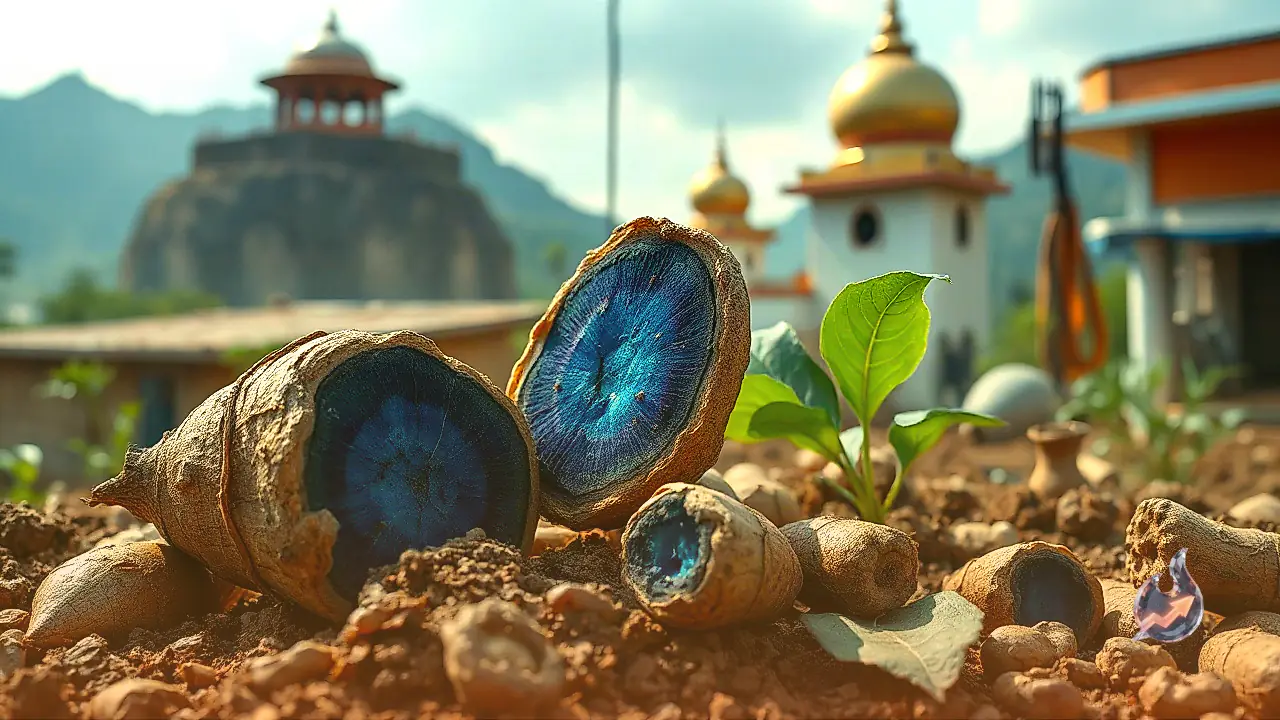
Blue turmeric is native to parts of South Asia, specifically thriving in localized ecosystems across the Indian subcontinent. From the outside, the rhizome can be deceptive, appearing with an earthy brown or tan peel similar to standard turmeric varieties. However, slicing open the root exposes its hallmark deep indigo, greenish-blue, or purple flesh. Healing practitioners note that its fragrance is distinctively pungent and sharp compared to ordinary kitchen varieties, a characteristic driven by high concentrations of essential oils and natural camphor within the rhizome tissue. Due to strict climatic requirements and low yields, it remains absent from mass retail supply chains.
Key Differences Between Blue and Yellow Turmeric
The contrast between conventional yellow turmeric and blue turmeric spans coloration, accessibility, and functional purpose. Yellow turmeric is widely cultivated across agricultural belts, making it abundant, economical, and a central seasoning for everyday meals. In sharp contrast, blue turmeric is extraordinarily scarce and is practically never employed as a routine culinary spice. Instead, its use is almost entirely reserved for therapeutic formulations, specialized joint applications, and traditional external pastes. Its chemical composition makes it much more potent, targeting chronic physical ailments rather than everyday dietary seasoning.
The Story Behind the 'Blue Gold' Moniker
In trade and herbal circles, Curcuma caesia is frequently referred to as 'Blue Gold'. This prestigious label reflects its extreme rarity, steep market valuation, and profound status in traditional wellness lore. Agricultural cultivation of this crop is confined to select microclimates, particularly within Northeast India and designated pockets of South India. Because harvest volumes remain low while interest from herbal industries remains high, the rhizome commands a premium price far exceeding that of common yellow turmeric. The presence of dense essential oils, volatile camphor, and concentrated antioxidants further cements its standing as a high-value botanical asset.
Documented Health Benefits and Therapeutic Scope
The medicinal potency of blue turmeric is driven by a complex matrix of bioactive compounds, antioxidants, and anti-inflammatory mechanisms that support various bodily functions
- Mitigating Joint Pain and Inflammation: The rhizome provides substantive relief for individuals experiencing persistent body aches and joint stiffness. Its natural anti-inflammatory compounds help downregulate localized swelling and chronic physical discomfort.
- Strengthening Immune Defenses: Seasonal transitions frequently bring colds and viral vulnerabilities. Incorporating controlled amounts of this botanical into wellness routines helps enhance baseline immunity, assisting the body in countering seasonal pathogens.
- Promoting Digestive Balance: Those dealing with recurring gastrointestinal distress, including flatulence, indigestion, constipation, and gastric acidity, benefit from its soothing effects on internal digestive motility.
- Addressing Skin Concerns: Exhibiting potent antibacterial and antifungal attributes, the rhizome has long been utilized in traditional skin preparations to manage acne, dark blemishes, and microbial surface irritations.
- Application for Strains and Internal Bruises: Mirroring traditional antiseptic therapies, the crushed rhizome is historically formulated into thick poultices to treat deep-tissue sprains, blunt impacts, and internal swelling.
Sourcing and Availability Channels
Because Curcuma caesia is not a mainstream agricultural commodity, consumers will not find it in regular neighborhood grocery shops or suburban vegetable markets. Commercial cultivation is concentrated primarily in forested hill tracts of Northeast India, such as Meghalaya, alongside select regions of West Bengal. Prospective buyers can source authenticated rhizomes or powders through specialized Ayurvedic pharmacies, certified organic retailers, and vetted herbal online marketplaces. In addition, niche agricultural fairs, forest medicine exhibitions, and specialized organic trade meets in major metropolitan centers occasionally feature genuine stocks.
Safety Guidelines and Usage Best Practices
While blue turmeric possesses exceptional natural properties, its therapeutic potency requires mindful application. As with any potent botanical intervention, moderation is essential. Anyone managing preexisting health conditions, taking ongoing prescriptions, or seeking to address severe chronic ailments should seek guidance from a qualified Ayurvedic physician or medical practitioner before introducing blue turmeric into their personal health regimen.