






















Anxiety surrounding the avian influenza virus, commonly known as H5N1, has resurfaced following new transmission vectors. Traditionally recognized as a pathogen affecting birds, the virus has increasingly been detected in mammals as well. A recent case in Washington, United States, involved an individual contracting H5N1 after coming into close contact with infected cattle. This development has sparked widespread discussions regarding cross-species transmission and whether everyday food items could potentially harbor the risk of infection.
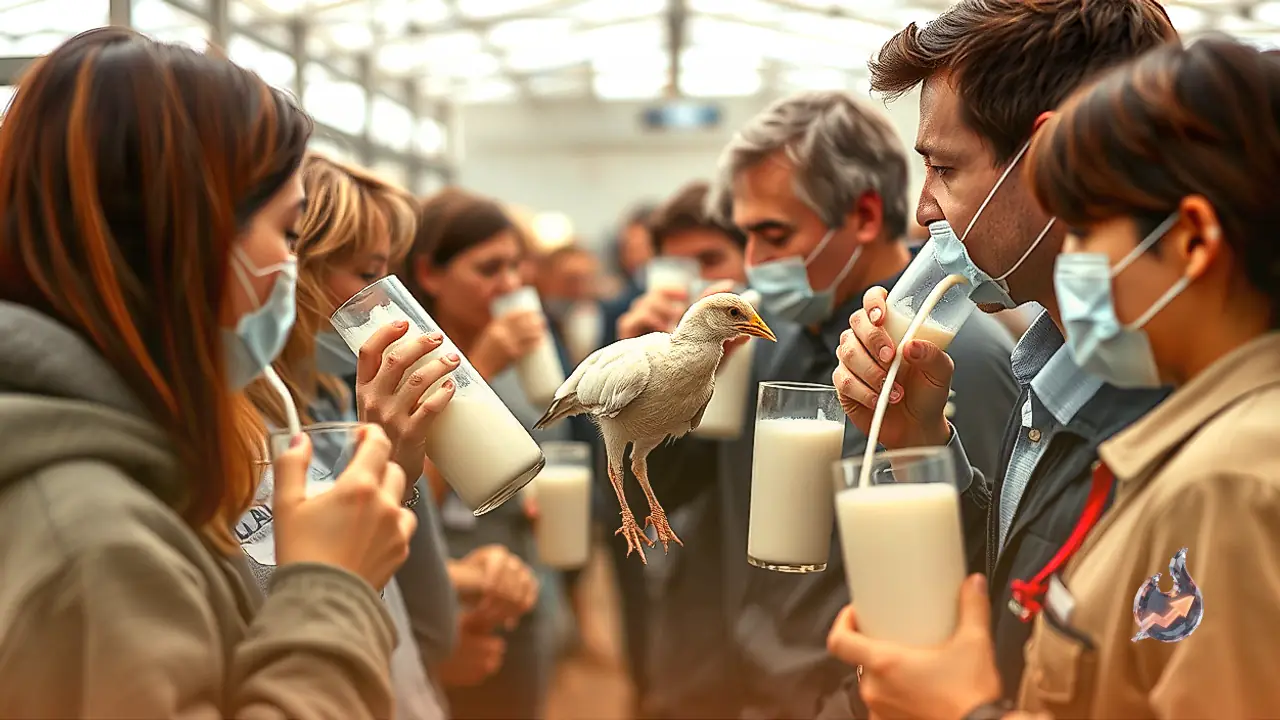
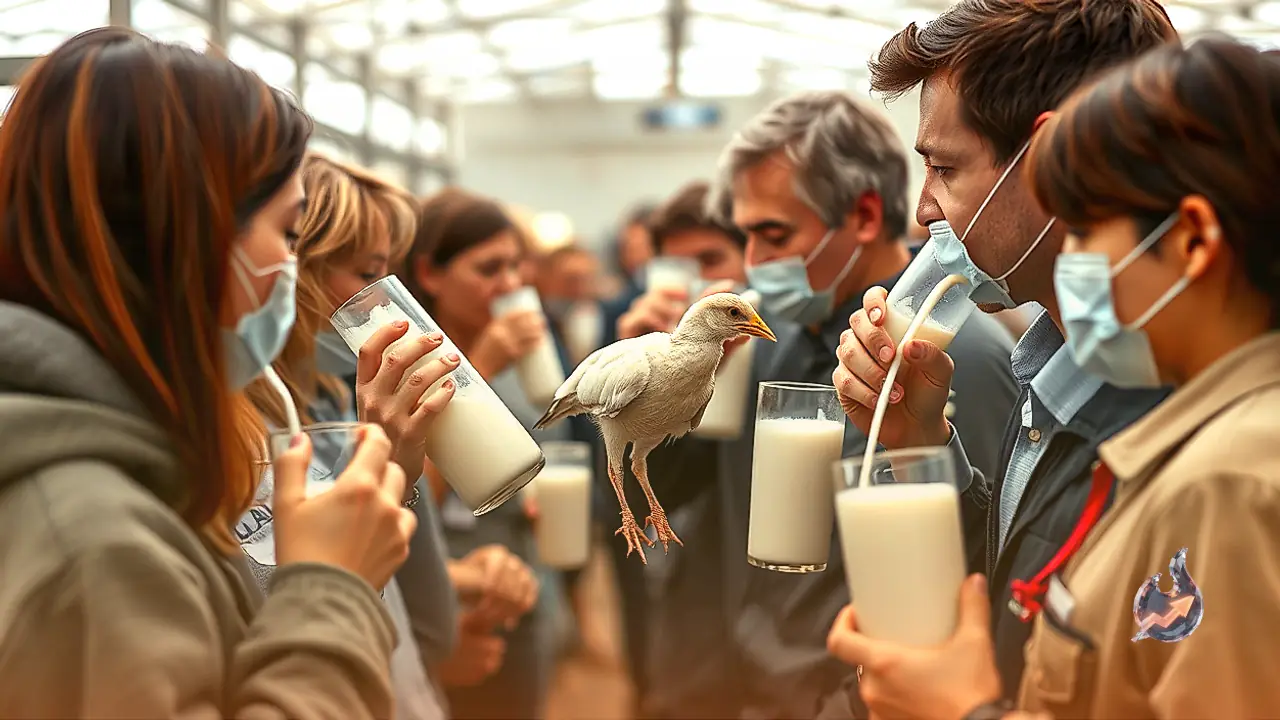
A primary concern among consumers revolves around dairy safety, specifically whether drinking raw milk can transmit the virus. According to medical experts, unpasteurized milk obtained from infected cows may contain viral particles. Pasteurization involves heating milk to specific temperatures to neutralize harmful microorganisms effectively. Consequently, individuals are strongly advised to avoid consuming raw or unpasteurized milk and to ensure that milk is properly boiled before consumption. However, this does not imply that all commercial dairy products are contaminated; rather, it highlights the importance of consuming properly processed dairy items and avoiding milk sourced from sick or suspected animals.
Addressing the situation in the context of India, Delhi Medical Council President Dr. Arun Gupta advised the public to remain cautious without panicking. Emphasizing the need for personal safety, Dr. Arun Gupta stated, "Maintain distance from sick animals and avoid touching them." He noted that while the virus predominantly affects avian species, its presence in cattle means that individuals working in dairy farming, animal husbandry, and poultry sectors must exercise heightened caution. If any animal exhibits signs of illness, direct contact should be avoided, and local veterinary authorities must be notified immediately.
Health authorities have outlined essential precautionary measures to minimize any potential exposure risks. The public should refrain from directly touching dead or sick animals and birds. Individuals engaged in animal rearing or poultry operations are urged to strictly follow standard safety protocols. Furthermore, anyone who experiences symptoms such as fever, persistent cough, breathing difficulties, or eye redness after potential exposure to an infected animal should consult a healthcare professional immediately and disclose their exposure history.
Ultimately, the incident in Washington serves as a reminder that H5N1 is not strictly confined to birds and can pose risks through infected mammals as well. Nevertheless, the general public in India does not need to panic at this stage. Adhering to basic precautions such as avoiding raw milk, steering clear of unhealthy livestock, and following official health guidelines will ensure safety while keeping potential health hazards at bay.