








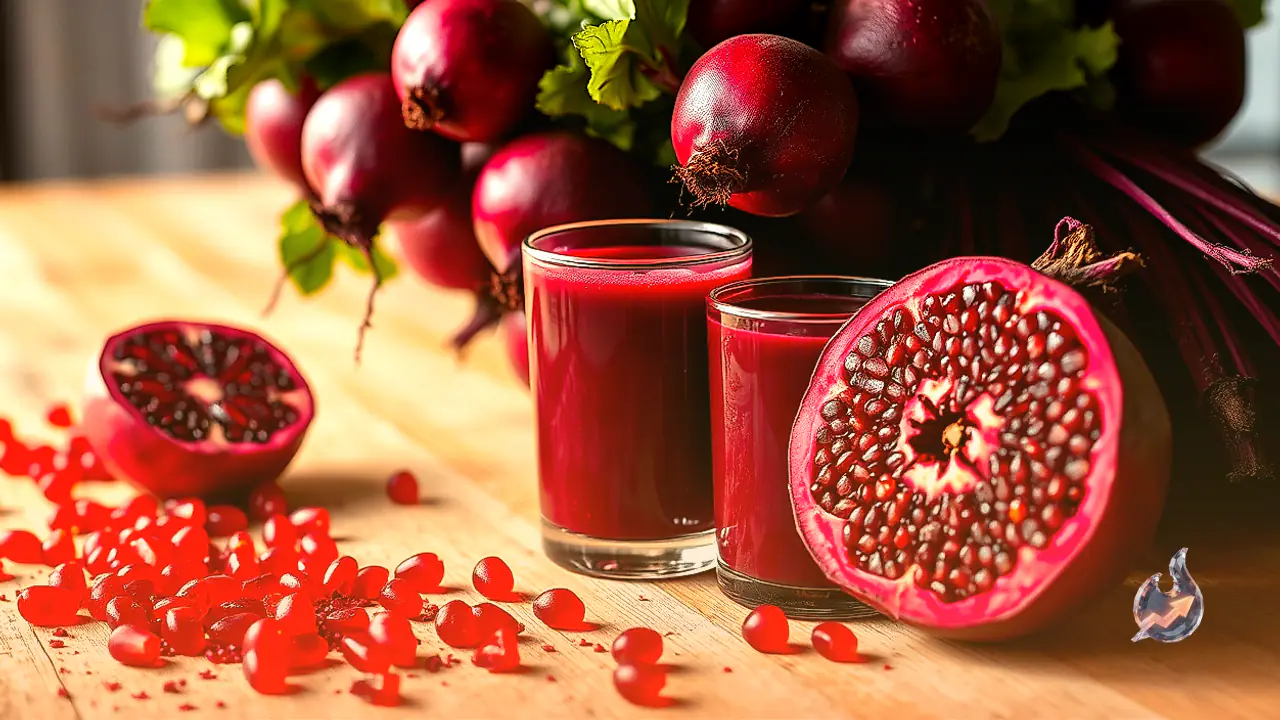














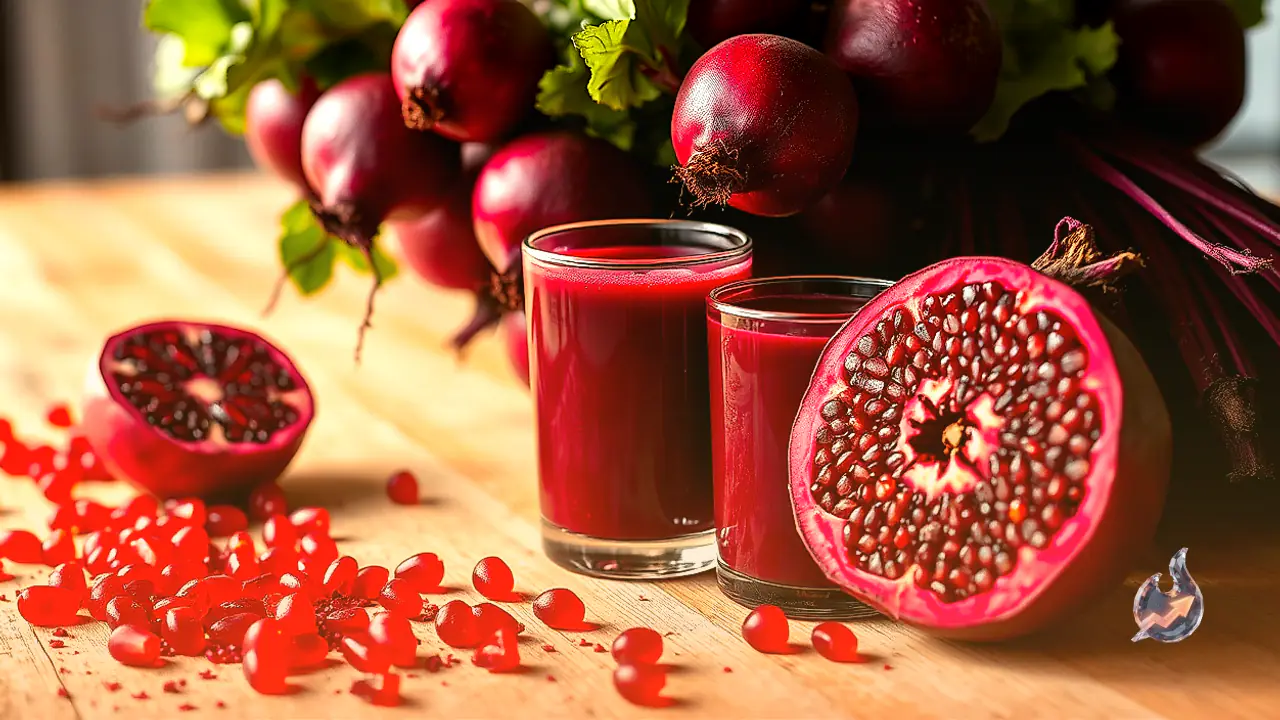

Managing daily dietary habits becomes critically important for individuals dealing with high blood pressure. Many people prefer consuming pomegranate and beetroot juice to support their cardiovascular health. Both of these natural beverages contain essential nutrients and plant compounds that help maintain normal blood pressure levels, yet they possess distinct differences in how they function. Beetroot juice contains dietary nitrates that the body converts into nitric oxide, a compound known to relax blood vessels and improve circulation.
How Beetroot Juice Helps Lower Blood Pressure
Beetroot juice is widely regarded as a favorable option for blood pressure management due to its natural nitrate content. Once ingested, these nitrates transform into nitric oxide within the body, which helps widen blood vessels and ease blood flow, thereby reducing vascular resistance. Several scientific studies indicate that consuming beetroot juice can lower systolic blood pressure, which is the top reading in a blood pressure measurement. However, the exact magnitude of this effect varies from person to person based on factors such as juice volume, individual health status, and ongoing medical treatments.
Benefits of Pomegranate Juice for Cardiovascular Health
Pomegranate juice also offers substantial benefits for heart wellness, largely driven by its rich concentration of polyphenols and antioxidants. These compounds help combat oxidative stress within the body and protect the structural integrity of blood vessels. Research has occasionally observed reductions in both systolic and diastolic blood pressure readings following pomegranate juice consumption, although further investigation is necessary to determine the longevity and exact consistency of these outcomes. Pomegranate juice additionally supplies potassium, an essential mineral that plays a major role in regulating fluid balance and blood pressure.
Sugar Content and Precautions for Diabetes Patients
Despite its impressive nutrient profile, pomegranate juice contains a relatively high amount of natural sugars. Consequently, individuals managing diabetes or blood sugar fluctuations must exercise caution regarding portion sizes. In contrast, beetroot juice generally features lower calorie and natural sugar levels compared to pomegranate juice. Nevertheless, the actual nutritional yield of either drink depends heavily on preparation methods and whether any additives or preservatives were included during processing.
Additional Nutritional Advantages of Both Juices
Pomegranate juice delivers numerous systemic benefits beyond blood pressure control, as its antioxidant properties protect cells from oxidative damage. The potassium found within pomegranates also assists in maintaining proper electrolyte equilibrium. Meanwhile, beetroot juice provides not only nitrates and antioxidants but also folate, a crucial B vitamin necessary for red blood cell formation and overall cellular function. The caloric density and sugar profile in beetroot make it a lighter option for individuals monitoring their daily intake.
Nutritional Differences Between Beetroot and Pomegranate Juice
Nutritional measurements for these juices generally apply to approximately a one-cup serving, though exact values fluctuate depending on the specific fruit variety, preparation technique, and commercial brand. Available data suggests that beetroot juice contains lower calories and sugar, whereas pomegranate juice provides higher potassium concentrations. Furthermore, straining fruit pulp during juice extraction alters fiber content, meaning these nutritional estimates should be viewed as general guidelines rather than fixed figures.
Choosing the Right Juice for Blood Pressure Control
When the primary objective is supporting blood pressure regulation, existing research points to beetroot juice as a slightly more targeted option because of its specific nitrate pathways. At the same time, pomegranate juice can remain a healthy component of a balanced diet if individuals carefully monitor carbohydrate and sugar levels, particularly those with metabolic concerns. Opting for fresh, unsweetened juice preparations ensures the maximum health benefits without unwanted additives.