




















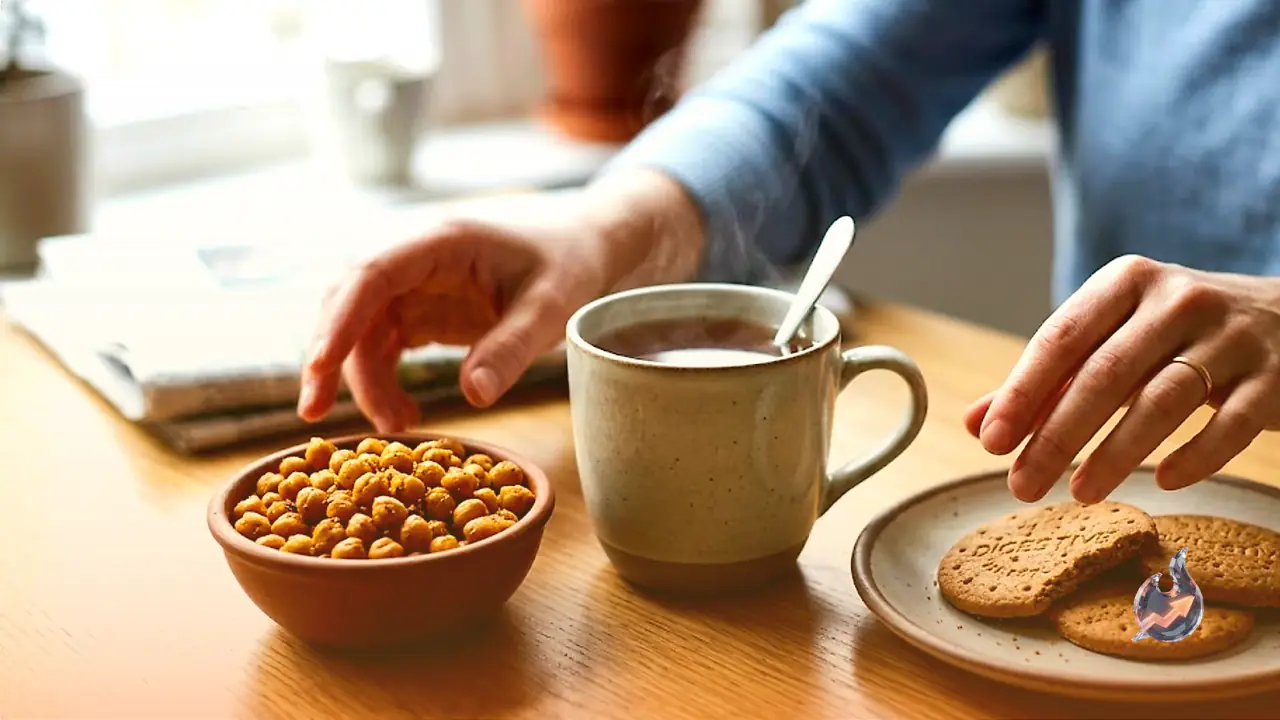

In most Indian households, a cup of tea rarely comes alone, it usually arrives with something crunchy or something sweet on the side. Whether it is namkeen or biscuits, people who care about their health often wonder which of the two actually does less damage to the body. There is no one size fits all answer, because it depends entirely on the kind of namkeen or biscuit being eaten and how much of it ends up on the plate.
Biscuits look harmless, but the ingredient list says otherwise
Biscuits are everywhere, they are cheap, and they require zero effort to enjoy with tea, which is exactly why most people default to them. Many assume that because biscuits are light in weight, they must be light on the body too. In reality, most ordinary biscuits sold in the market are loaded with refined flour, sugar, refined oil and preservatives. Biscuits with a high sugar content spike calorie intake quickly, raising the risk of weight gain and causing blood sugar levels to swing. Cream biscuits and sweet cookies in particular offer almost no real nutrition when eaten regularly, they largely just add empty calories. That said, if you switch to multigrain, oats based or high fibre biscuits, they turn out to be a noticeably better choice.
Not all namkeen are created equal
Roasted chana, peanuts, makhana or a low oil snack mix are considered relatively nutritious. They come with protein, fibre and a few essential nutrients that genuinely benefit the body. The problem is that most namkeen sold commercially is deep fried, and it is packed with far more salt and oil than necessary. Eating too much salt increases the risk of high blood pressure, while excess oil piles on unwanted calories. That is why eating deep fried namkeen in large quantities every day is not considered a healthy habit either.
So which one wins the comparison
If the comparison is between an ordinary sweet biscuit and an oily fried namkeen, the honest answer is that neither is an ideal choice. Still, a limited portion of roasted namkeen, chana, peanuts or makhana tends to be more satisfying and more nutritious than a plain sweet biscuit, because the protein and fibre in them keep you feeling full for longer, cutting down the urge to snack again soon after. On the other hand, if the only namkeen available is heavy on oil and salt, a low sugar, high fibre biscuit becomes the smarter pick instead.
Experts say it's time to rethink the daily habit
According to health experts, swapping out the everyday habit of reaching for namkeen or biscuits with tea for more nutritious alternatives can make a real difference. Options such as roasted chana, peanuts, makhana or multigrain and high fibre biscuits provide the body with both energy and proper nourishment, something that ordinary sweet biscuits or oily fried namkeen simply cannot match. So the next time you pick up your tea, it is worth pausing to check what exactly you are eating alongside it, and how much of it, because portion size and the right choice are really what decide whether that tea time snack helps or hurts your health.