





















In the popular hill station of Nainital in Uttarakhand, continuous heavy rainfall and sudden weather fluctuations have triggered a severe health concern regarding waterborne illnesses. The Outpatient Department (OPD) at the prominent BD Pandey District Hospital is witnessing a heavy influx of patients complaining of stomach pain, fever, typhoid, diarrhea, and jaundice. The mixing of contaminants into drinking water sources during the monsoon season has exacerbated infection rates across the region. The spread of disease is no longer limited to urban centers; surrounding rural hamlets and educational institutions are also reporting a sharp rise in symptomatic cases, keeping health authorities on high alert.
Rising Footfall at BD Pandey Hospital OPD as Doctors Urge Vigilance
The patient count seeking medical care at BD Pandey District Hospital in Nainital has been steadily escalating. Senior Physician Dr. MS Dugtal noted that since the arrival of the monsoon season, individuals suffering from jaundice, typhoid, diarrhea, abdominal cramps, and high fever have been arriving continuously for treatment. In addition to primary symptoms, several patients are presenting with numbness in their extremities, severe limb pain, tingling sensations, and acute physical weakness. Hospital authorities have been forced to admit patients experiencing critical symptoms for supervised inpatient care.
Addressing the escalating situation, Dr. MS Dugtal appealed to the public to exercise strict caution regarding their dietary habits and drinking water hygiene. He strongly recommended boiling or thoroughly filtering drinking water before consumption during this period. Avoiding uncovered or street-sold food items is essential to prevent ingestion of harmful pathogens. Furthermore, residents should ensure meals are freshly cooked and maintain clean surroundings around their homes. Dr. Dugtal emphasized that anyone experiencing persistent abdominal discomfort, lingering fever, or diarrhea symptoms should seek immediate medical consultation rather than relying on self-medication.
Fevers Spread Across Rural Villages as Residents Question Water Supply Quality
Rural communities surrounding Nainital are experiencing the severe brunt of this waterborne illness outbreak, with multiple residents falling sick in rapid succession. Hitesh Kumar, a patient receiving treatment at BD Pandey Hospital, shared his ordeal, stating that he suffered from high fever, intense headaches, stomach pain, body stiffness, and bouts of dizziness. According to him, the illness initially affected a single individual in his village before quickly spreading to numerous other residents displaying identical symptoms.
Meanwhile, another hospitalized resident, Hem Chandra Joshi, expressed grave concern regarding the quality of tap water supplied to households. He attributed the widespread health issues directly to the water distributed by Jal Sansthan, stating that contaminated supply lines are making families sick. Young children have been particularly vulnerable, suffering from acute stomach infections and jaundice, which necessitated their hospital admission. Local community members suspect that leakages or cross-contamination in the public water pipelines have led to the current public health crisis.
20 Students Fall Ill at Jeolikote Residential School Prompting Health Department Probe
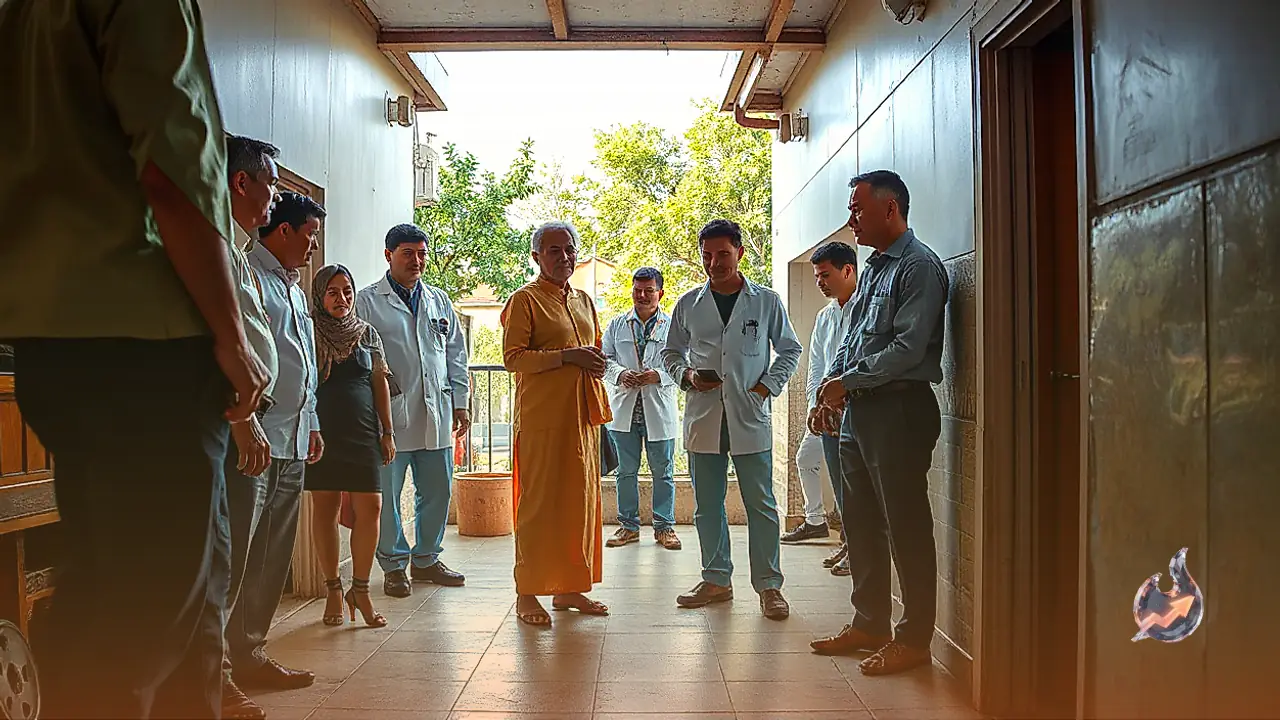
An outbreak at Parvati Prema Jagati Residential School, located in the Veerbhatti area of Jeolikote near Nainital, created widespread alarm after 20 students exhibited symptoms of waterborne infection due to contaminated water. Upon receiving news of the cluster of illnesses within the boarding facility, Chief Medical Officer Dr. Rashmi Pant immediately intervened. She dispatched a specialized medical investigation team to the school premises to conduct a thorough health audit. Acting on the CMO instructions, the team met with Principal Dr. Surya Prakash to gather detailed information regarding the affected students' condition and their medical history.
Principal Dr. Surya Prakash briefed the visiting health officials that the residential institution accommodates approximately 630 boarding students. He detailed that on August 4, an initial student presented with viral symptoms. By August 10, the infection had spread, affecting a total of 20 students who displayed similar medical complaints. School authorities had arranged health evaluations and laboratory diagnostics through a private pathology lab and a private hospital affiliated with the institution.
Temporary Closure of School Facility with Reopening Scheduled for August 31
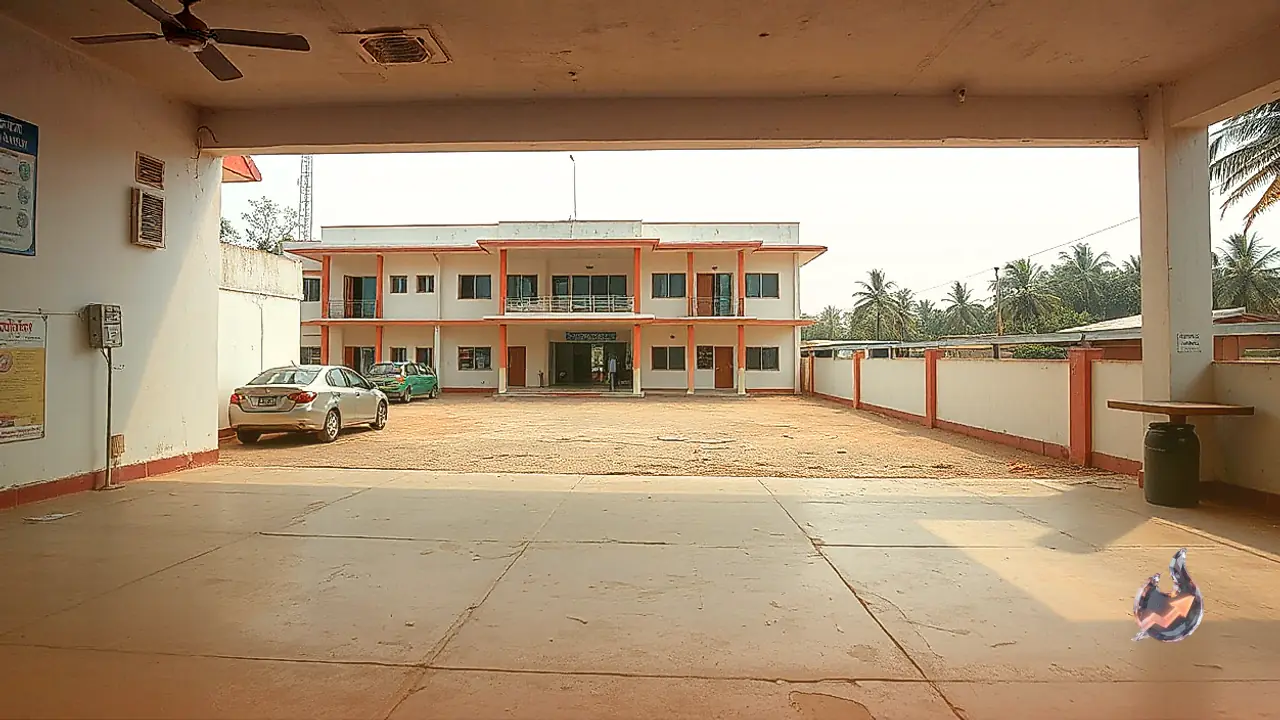
When the health department inspection team arrived at Parvati Prema Jagati Residential School, they found no students present on the campus premises. School administrators clarified that to protect student health and curb further transmission, the institution was temporarily closed on August 13. Following the shutdown order, all residential students were sent back to their respective homes. At present, the school premises remain completely closed. According to Principal Dr. Surya Prakash, the institution is tentatively scheduled to reopen on August 31 after comprehensive sanitation of the premises and rectification of the water supply systems.
The situation in Nainital presents a dual challenge: while the OPD at BD Pandey Hospital continues to handle a massive influx of daily patients, the outbreak at the Jeolikote residential school has raised fundamental questions about water purification infrastructure and infection control measures. Health authorities emphasize that active surveillance combined with individual public precautions will be vital in controlling the spread. Consuming boiled water, eating fresh food, and maintaining personal and environmental hygiene remain the most effective defenses against waterborne health risks during this monsoon season.