





















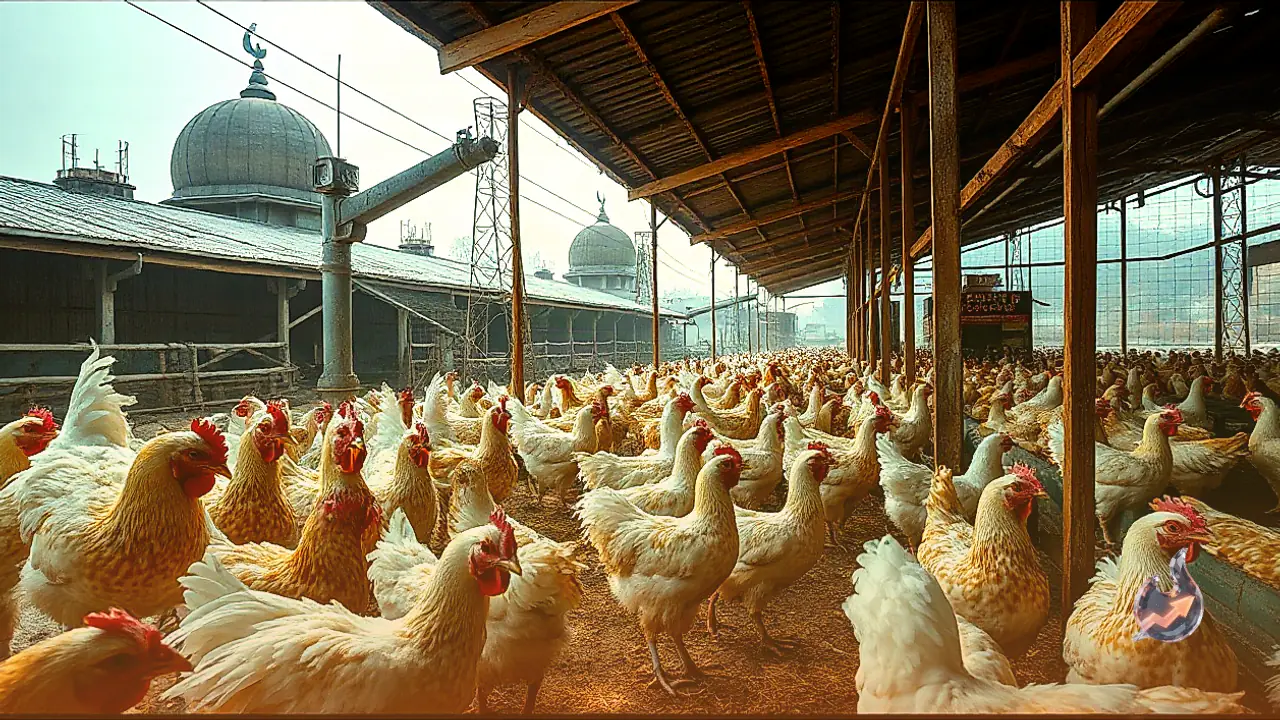

With the onset of the monsoon season in Gonda district, poultry farmers face heightened operational and health challenges. During this period, the moisture content in the air rises significantly, leading to an accumulation of dampness and filth inside poultry sheds. If farm managers fail to exercise strict vigilance, several contagious and fatal diseases can spread rapidly among the flock. Such outbreaks directly impair the overall health of the birds, reduce egg production, and cause weight loss, ultimately resulting in severe financial losses for farmers.
Prevalent Rainy Season Diseases and Recognized Symptoms
Veterinary health experts point out that bacteria and parasites become exceptionally active during the rainy season. Deputy Chief Veterinary Officer Dr. Rakesh Kumar Tiwari highlighted that poultry farms during this weather face an elevated risk of diseases such as Coccidiosis, Ranikhet, E. coli, Diarrhea, and Chronic Respiratory Disease (CRD). Timely identification of these ailments is crucial to preventing farm wide devastation.
According to Dr. Rakesh Kumar Tiwari, chickens suffering from Coccidiosis exhibit noticeable traces of blood in their droppings. Conversely, when Ranikhet strikes a poultry farm, infected birds experience severe respiratory distress accompanied by green and watery droppings. Furthermore, consuming contaminated water leads to rapid spreads of Diarrhea and E. coli infections. Poultry keepers must implement immediate corrective measures as soon as any of these clinical symptoms appear.
Managing Bedding Materials and Ensuring Adequate Airflow
Maintaining a dry and hygienic environment within the poultry shed should be the primary objective during rainy months. The bedding layer spread on the farm floor, consisting of sawdust or paddy straw, must never be allowed to absorb moisture. Experts advise that if the litter shows even slight dampness, it should be replaced immediately without delay. Wet litter combined with bird droppings creates an ideal breeding ground for harmful pathogens.
Additionally, establishing proper ventilation inside the poultry shed is indispensable. Sufficient air circulation helps dissipate excess humidity and prevents the accumulation of hazardous gases like ammonia generated from bird waste. Good ventilation ensures a fresh, oxygen rich environment for the flock, which significantly reduces environmental stress on the birds.
Maintaining Hygiene in Feed and Water Storage
Contamination of water and feed supplies becomes a frequent concern during the monsoon. Experts strongly recommend supplying birds with thoroughly clean and fresh drinking water at all times. Drinking vessels and automatic waterers must undergo daily cleaning and sanitization to prevent bacterial growth.
Protecting poultry feed is equally vital for maintaining flock health. Feed sacks should never be stacked directly on bare concrete or earthen floors. Ground moisture easily penetrates the bags, introducing moisture that encourages dangerous fungal growth. Feeding mold infected grain to birds can lead to severe gastrointestinal disorders. Therefore, feed stocks must always be stored on wooden pallets in dry, well ventilated storage areas.
Isolating Infected Birds and Following Vaccination Protocols
Continuous monitoring of bird behavior is essential to prevent widespread infection across the farm. If any bird appears lethargic, sits isolated in a corner with drooping wings, or passes loose droppings, it should be separated immediately from the healthy flock. Swift isolation acts as a vital barrier against the transmission of infectious pathogens to other birds.
Deputy Chief Veterinary Officer Dr. Rakesh Kumar Tiwari emphasized that adopting proactive preventive measures is far more effective than seeking remedies after an outbreak occurs. Farmers must strictly adhere to scheduled vaccination timelines for their poultry stock. If any unusual symptoms or signs of distress emerge, farmers should promptly consult the nearest veterinary officer for professional guidance. Combining dry bedding, clean water, proper ventilation, and timely vaccination ensures effective poultry management during the rainy season and minimizes financial risks.