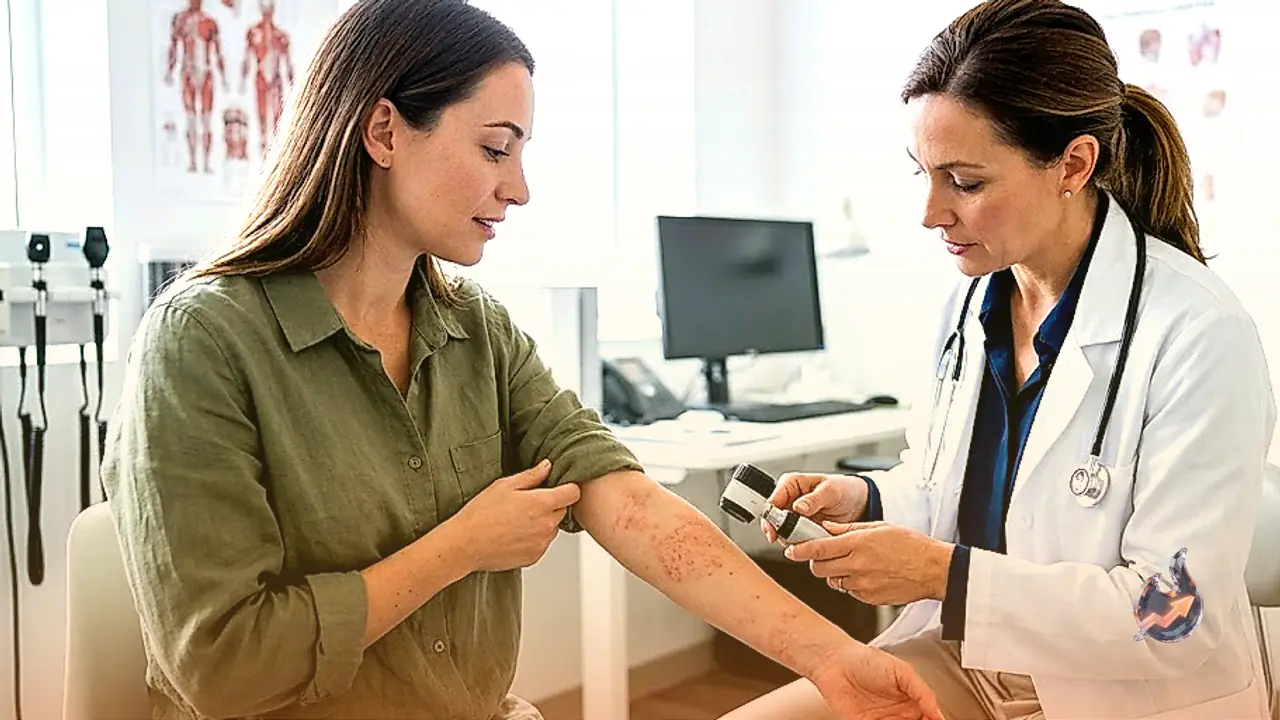























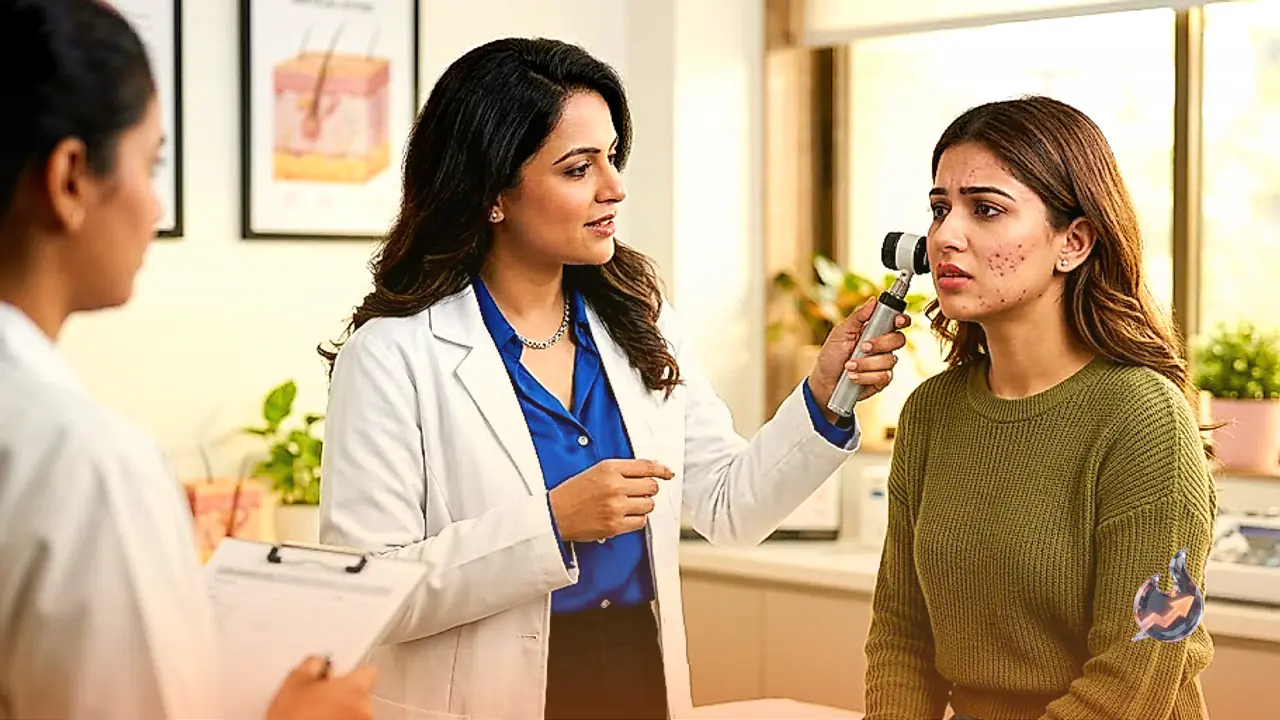

In the digital age, social media platforms are inundated with thousands of viral videos promising glowing skin, overnight acne remedies, and flawless complexions. These short-form reels frequently promote specific creams, serums, or pharmaceutical drugs as magical solutions for common dermatological concerns. Influenced by these persuasive claims, many young individuals begin adopting these routines without considering their unique skin characteristics or underlying health needs. Medical experts have expressed severe concern over this rising trend, warning that blindly following online skincare advice can result in long-term skin damage and systemic complications.
Individual Skin Variation and Dangers of Viral Trends
Dermatologist Dr. Riddhi Pandey emphasizes that human skin varies significantly from person to person in terms of texture, sensitivity, and biological requirements. A cosmetic product, chemical formulation, or serum that delivers impressive results for one individual may prove entirely unsuitable or unsafe for another. Social media content often highlights rapid transformations while ignoring potential adverse reactions. When consumers apply these recommended treatments without professional guidance, they risk disrupting their skin's natural moisture barrier and triggering severe inflammation.
Misinterpreting Natural Pigmentation as Skin Pathology
A widespread mistake among young adults is misdiagnosing benign skin pigmentation, mild sun spots, or natural skin tone variations as medical disorders. Driven by anxiety, individuals turn to internet remedies and chemical-laden creams featured online. Continuous application of harsh cosmetic products or unverified home treatments can strip the skin of its essential oils. Consequently, users frequently experience burning sensations, persistent itching, skin redness, and intensified hyperpigmentation. In several instances, temporary light spots transform into permanent, deeply rooted blemishes due to severe chemical irritation.
Indiscriminate Self-Medication for Acne Management
Acne is another major concern driving young adults to experiment with unprescribed medications. Patients frequently arrive at clinics with aggravated acne flare-ups caused by self-administered pharmaceutical treatments encountered on social channels. Prolonged or incorrect usage of oral and topical acne drugs without medical supervision can produce adverse physiological side effects. Experts stress that managing persistent acne requires an accurate diagnosis of its root cause rather than haphazard self-medication.
Endocrine Disruption and Risks to Women's Health
Certain unregulated cosmetic products and unprescribed pharmaceuticals circulating in the market contain active ingredients that interfere with the human endocrine system. When these substances disrupt internal hormonal balances, they can trigger systemic complications, including irregular menstrual cycles in women and metabolic imbalances. While standard cosmetics do not inherently cause hormonal disorders, the danger escalates significantly when individuals consume or apply products containing suspicious ingredients, undisclosed steroids, or unverified chemical compounds.
Safe Skincare Guidelines for Young Adults
Individuals aged 20 to 40 are increasingly conscious of their personal appearance and frequently seek rapid aesthetic improvements. However, medical professionals urge young consumers to resist the urge to buy products immediately after viewing viral video clips. Prior to introducing any new cream, serum, or medication into a daily routine, it is vital to inspect its ingredient profile, evaluate potential side effects, and determine compatibility with one's skin type. For chronic or recurring skin issues, seeking direct consultation with a qualified dermatologist remains the only safe and effective approach.