





















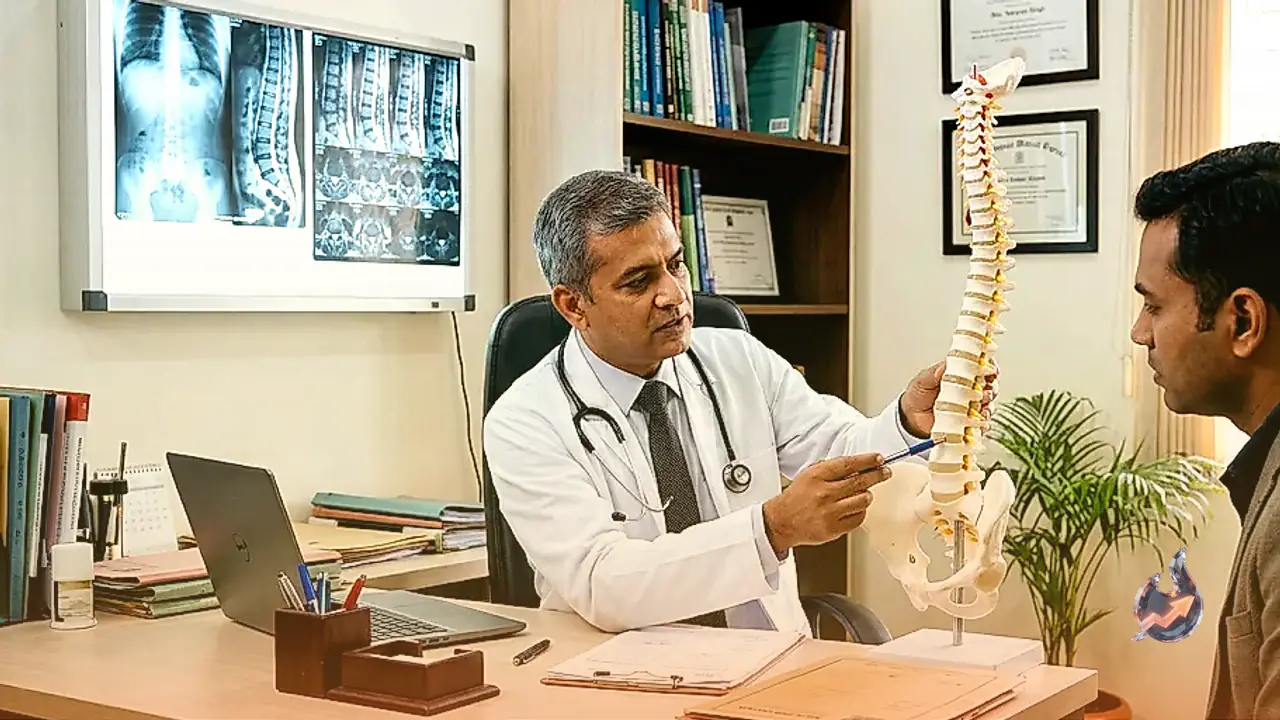

Nerve compression in the lower back is becoming an increasingly common health issue. When nerves in the L1, L2, and L3 regions of the lumbar spine get pinched, patients experience excruciating pain. In severe cases, patients are forced to undergo surgery, which does not always guarantee complete recovery. According to Dr. Narayan Singh, a renowned neurosurgeon based in Ranchi, individuals can completely avoid this painful condition and the risk of surgery by rectifying four widespread daily habits.
Lifting Heavy Weights Beyond Physical Capacity
According to neurosurgeon Dr. Narayan Singh, placing sudden and extreme stress on the spine is one of the primary triggers for pinched nerves. Many people make the critical mistake of lifting heavy objects at home or work without assessing their physical strength. Lifting items weighing 15 to 20 kg without proper form disrupts the balance of the lower back. This abrupt strain compresses the nerves around the L1, L2, and L3 vertebrae. Medical advice recommends refraining from lifting excessive weights in routine tasks and maintaining correct body posture whenever handling loaded objects.
Heavy Gym Workouts Without Proper Guidance or Support Belts
With growing fitness enthusiasm, improper workout techniques in gyms have also led to severe spinal issues. Dr. Narayan Singh points out that lifting extreme weights of up to 180 kg without adequate preparation can prove dangerous, carrying an even higher risk for women. Anyone attempting heavy weightlifting must work under the supervision of a certified trainer. Furthermore, wearing a proper weightlifting belt is essential to support the lumbar spine. Even a minor lapse in technique or posture during high-intensity training can result in nerve compression.
Ignoring Spine Injuries Caused by Sports or Falls
Trauma to the back from accidental falls or sports activities is another major factor contributing to nerve compression. People frequently dismiss minor falls or localized back pain as temporary discomfort. Dr. Narayan Singh warns against ignoring any injury to the spine, no matter how insignificant it might seem at first. Unattended minor injuries can alter spinal alignment over time, eventually causing nerves to become trapped. Prompt medical evaluation and thorough treatment following any impact are crucial for preventing long-term damage.
Prolonged Sitting in Desks and Poor Sitting Posture
Desk jobs and sedentary work habits often require individuals to sit in one spot for hours continuously. Sustained sitting severely deteriorates natural spinal posture over time. Dr. Narayan explains that sitting motionless for extended periods exerts continuous pressure on the lumbar nerves, significantly elevating the risk of nerve impingement. To offset this damage, office workers should incorporate brief breaks into their daily routine. Standing up and taking short walks periodically relieves pressure on back muscles and keeps the spine healthy.