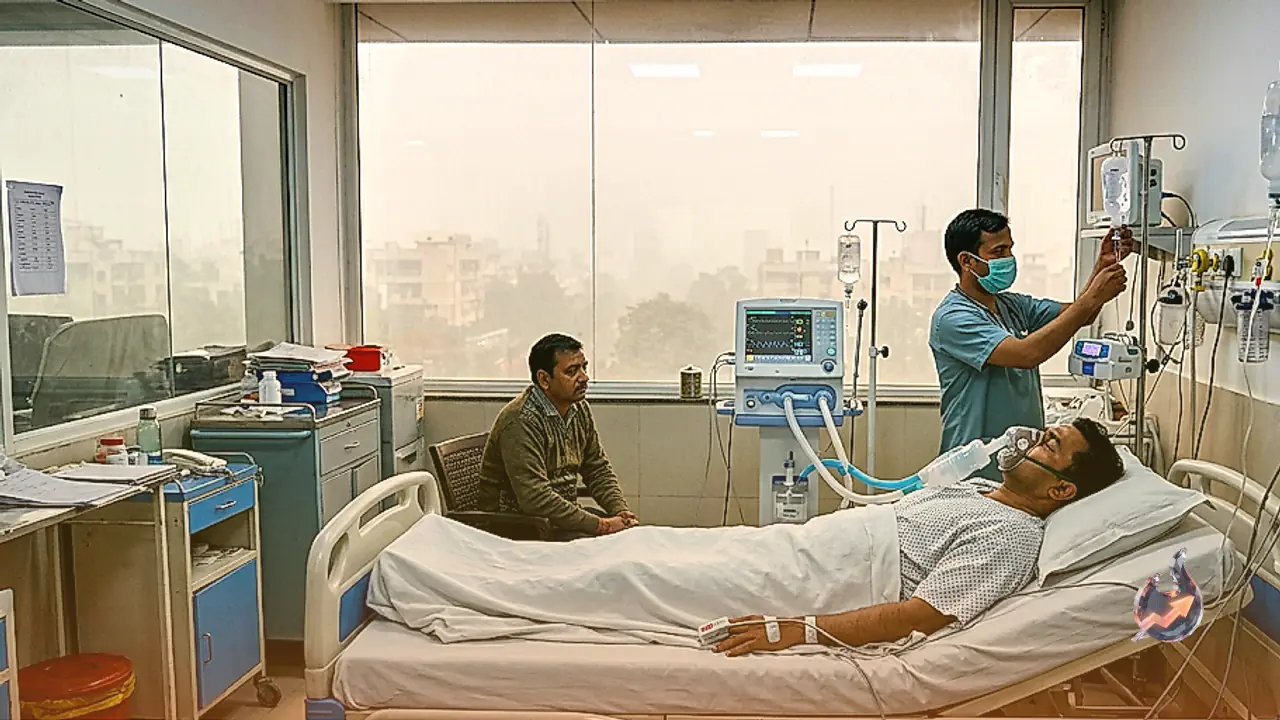

























Diabetes cases are witnessing a continuous surge across the nation, earning India the dubious distinction of being called the diabetes capital of the world. According to Dr. Nikhil Tandon, Director at the All India Institute of Medical Sciences, nearly half of all diabetes patients fail to seek any treatment for their condition. This essentially means these individuals remain entirely unaware that the disease is silently brewing inside their bodies. Statistics indicate that roughly one in every four adults could potentially harbor this health issue. Dr. Paras Agarwal, Director of Diabetes, Obesity, and Metabolic Disorders at CK Birla Hospital, explains that the condition develops extremely gradually within the body, remaining undetected for years. Preventive health awareness remains dismally low in India, leading people to rarely undergo medical tests voluntarily, which allows the disease to progress unchecked. However, timely diagnosis can completely prevent diabetes in nearly half of all individuals.
Poor Lifestyle and Unhealthy Diet Are Primary Drivers
Dr. Paras Agarwal points out that the root causes of diabetes are typically an unhealthy lifestyle and poor dietary habits. If individuals take control of these two critical aspects, the vast majority can successfully avoid falling prey to the condition. The second most powerful weapon for prevention is regular screening. Undergoing timely blood sugar checks ensures prompt management and keeps the disease at bay. Since diabetes takes a considerable duration to fully develop, individuals are provided with ample window to improve their physical condition during this interim period. Adopting specific preventive strategies can help people effectively shield themselves from this debilitating ailment.
Prioritize Regular Blood Sugar Screenings
According to Dr. Paras Agarwal, patients often spend several years in a pre-diabetes stage before fully developing the condition. This transitional phase involves fasting blood sugar levels rising slightly above 100, while the three-month average HbA1c reading hovers between 5.7 and 6.3. This serves as a clear warning sign that diabetes is imminent and immediate caution is warranted. If individuals correct their daily routines and regulate their diets during this specific timeframe, half of them can entirely avoid the disease. Consequently, everyone crossing the age of 20 should voluntarily undergo an annual sugar test. Such tests cost less than 100 rupees and can be conveniently conducted at any neighborhood clinic. Furthermore, individuals above 30 must make sugar screening a regular habit. Anyone whose parents, grandparents, or extended family members have a history of diabetes should strictly adhere to routine checkups.
Dr. Paras Agarwal advises cutting out harmful items entirely to safeguard health. Foods saturated with oil, deep-fried preparations, factory-processed items, and chemically treated products should be eliminated from daily diets immediately. Practically speaking, this means avoiding pizza, burgers, cheese, excess sugar, and high salt intake altogether. Refined flour products should also be strictly avoided. The vast majority of packaged eatables available in the market are heavily processed and severely detrimental to well-being.
Embrace Natural Foods and Home-Cooked Meals
Addressing what constitutes healthy eating, Dr. Paras Agarwal notes that nature provides foods tailored to every season that promote optimal health. During summer months, hydrating options like watermelon, muskmelon, and grapes are abundantly available, while winters bring a diverse variety of nutritious leafy greens. Consuming natural and fresh produce directly correlates with better health outcomes. Therefore, everyday meals should center around home-cooked food, including whole-grain rice, lentils, and flatbreads. Half of every meal plate should ideally consist of vegetables and fruits. Additionally, incorporating seeds, dry fruits, and colorful fruits into the diet, eating meals on time, and staying adequately hydrated are crucial steps.
Incorporate Physical Activity and Daily Exercise
No matter what measures are adopted, unless individuals push their bodies through daily physical exertion, no strategy will yield optimal results. Engaging in daily exercise is therefore non-negotiable. Hitting a gym is not a prerequisite; any physical activity that induces sweating is sufficient. Options include running, brisk walking, or ramping up warm-up routines. Strength training must form an essential component, involving exercises that work against body weight, such as hanging from a tree branch and pulling the chest upward. Squats and push-ups are equally beneficial. Crucially, experts advise against sitting continuously in one place for more than half an hour.
Ensure Sufficient Rest and Effective Stress Management
Dr. Paras Agarwal highlights that keeping one's life free from excessive stress significantly lowers the risk of multiple illnesses. Minimizing stress is paramount. While everyone encounters stress in daily life, learning effective management techniques is key. Practicing yoga and meditation regularly helps keep anxiety at bay. Alongside emotional well-being, adequate sleep is vital for the body. Securing seven to eight hours of deep, undisturbed sleep every night is necessary. Sleep quality matters immensely; waking up repeatedly every couple of hours ruins the restorative cycle. Continuous, uninterrupted sleep lasting five to six hours is essential. Sleeping for eight hours with perhaps a single brief interruption constitutes healthy rest, whereas frequent waking disrupts recovery.