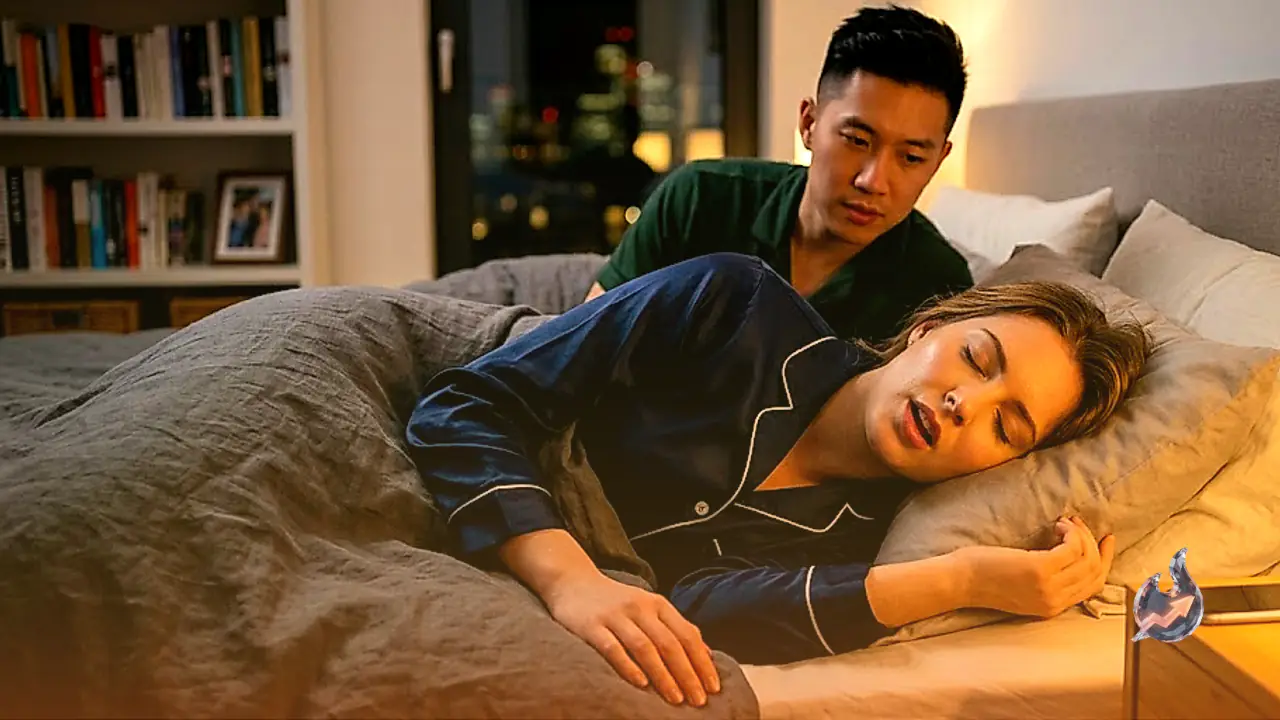

























Tossing and turning in bed for hours while sleep remains elusive is a frustrating reality that inevitably leads to fatigue, irritability, and sluggishness the next morning. In an era marked by high stress and relentless screen exposure, insomnia and restless nights have become widespread concerns. Confronted with chronic sleeplessness, many people immediately consider turning to pharmaceutical sleep aids. However, classical Ayurvedic healing provides gentle, non-invasive home interventions that address the underlying bodily imbalances. Among these time-tested solutions, massaging the feet with sesame oil and applying a warm rice poultice stand out as highly accessible techniques. Dr. Chetan Sharma, an Ayurvedic physician at Sarvodaya Hospital in Faridabad, explains how these targeted therapies work to harmonize the body, relieve nervous tension, and restore natural sleep patterns.
The Physiological Benefits of Foot Massage Before Sleeping
Dr. Chetan Sharma emphasizes that when sleeplessness strikes, individuals should pause before rushing to a physician for prescription sedatives and consider trying a practical home remedy first. Throughout the day, whether standing on one's feet or sitting upright for extended working hours, blood circulation predominantly moves downward from the upper body toward the lower extremities. In an ideal metabolic state, that blood flow must circulate efficiently back upward. However, prolonged inactivity or strain often disrupts this reciprocal venous return, leaving circulation sluggish and creating a bodily imbalance.
Applying systematic friction to the soles of the feet directly counteracts this circulatory stasis, a dynamic well documented in Ayurvedic science. The soles house concentrated networks of nerve endings and reflexive energy points. Gentle massage stimulates these pathways, helping the vascular system redistribute blood evenly throughout the body. Once balanced circulation is restored, bodily tissues receive refreshed oxygenation, physical strain diminishes, and the entire nervous system begins to transition naturally into a state of deep relaxation.
Why Sesame Oil is the Primary Choice for Evening Care
The specific recommendation of sesame oil for an evening foot massage is grounded in fundamental Ayurvedic principles. Dr. Chetan Sharma explains that the vata dosha naturally escalates within the human body during the evening and night hours. Within classical physiology, vata represents the elements of air and ether, governing mobility, rapid thought, dryness, and kinetic activity. When vata becomes aggravated or excessive, the mind grows hyperactive, physical restlessness sets in, and the onset of restorative sleep is delayed.
Ayurveda regards oil massage as the foremost therapeutic approach to calm and pacify heightened vata. Sesame oil possesses distinctive qualities: it is unctuous, grounding, inherently warm, and deeply penetrating. When worked into the soles before bedtime, it directly counteracts the dry, cold, and erratic characteristics of elevated vata dosha. This balancing effect grounds internal restlessness, allowing both physical tissues and mental processes to settle down for the night.
Step-by-Step Method for Crafting and Using a Rice Poultice
To amplify the calming effects of an oil massage, applying gentle heat using a warm rice poultice provides exceptional thermal therapy. For individuals who spend hours shifting restlessly across their mattresses, Dr. Chetan Sharma recommends combining massage with this simple culinary remedy. Preparing the poultice requires minimal effort using basic household materials: take a handful of raw dry rice and gently heat it on a standard cooking griddle or pan.
Once the rice grains have absorbed sufficient warmth, immediately transfer them onto a clean cotton cloth and bundle it tightly into a secure poultice ball. The therapeutic sequence begins by thoroughly massaging both feet with sesame oil. Once the oil has been worked into the skin, the warm rice bundle is applied across the soles and feet as a localized compress. Experiencing this gentle warmth immediately after friction therapy accelerates tissue relaxation, releasing deep muscle tension and enabling the body to drift toward sleep effortlessly.
Managing Poultice Heat to Avoid Thermal Discomfort
A critical detail when administering heat therapy is monitoring the temperature of the rice bundle carefully. Dr. Chetan Sharma points out that the compress should only be as hot as a person's skin can tolerate with ease and comfort. Thermal tolerance varies considerably from one individual to another based on skin sensitivity and constitution.
Therefore, after wrapping the heated rice into the cloth, always test the temperature against your hand before pressing it against the feet. If the poultice feels uncomfortably hot, set it aside momentarily to cool down to a soothing level. Ensuring a pleasant, safe temperature prevents accidental burns or skin irritation, allowing the gentle warmth to relax the peripheral nerves smoothly.
Recommended Duration for Massage and Compress Application
Carrying out the process within an appropriate timeframe ensures optimal results without creating physical fatigue. Dr. Chetan Sharma recommends spending approximately 15 to 20 minutes performing a relaxed, rhythmic massage across the feet and soles using steady, gentle hand pressure.
Following the massage, proceed with the warm rice poultice compress for roughly 10 minutes. In total, dedicating approximately 25 to 30 minutes to this restorative nightly ritual allows accumulated physical exhaustion to dissipate. This intentional window of quiet personal care encourages both muscular decompression and mental stillness, establishing the ideal physiological groundwork for deep sleep.
How Thermal Therapy Quiets Stress, Anxiety, and Muscle Tension
Applying mild warmth to the lower extremities delivers systemic benefits that reach far beyond localized foot comfort. Dr. Chetan Sharma observes that this combined therapy plays a vital role in balancing vata dosha across the entire physical frame. When systemic vata stabilizes, internal mental agitation subsides, assisting individuals in feeling visibly free from stress.
For those coping with symptoms of nervous apprehension or heightened anxiety, the grounding nature of warm compresses offers noticeable relief. Heat encourages localized vasodilation, prompting tight muscular fibers to soften and unwind. As neuromuscular tension dissolves, nervous signals quiet down, clearing away cognitive agitation and allowing restorative sleep cycles to take hold naturally.
A Warm Water Soaking Routine for Stubborn Insomnia
For individuals facing persistent, severe sleeplessness who have struggled for multiple consecutive nights, Dr. Chetan Sharma outlines a structured three-step escalation protocol. The process starts by filling a bucket with comfortably warm water and submerging both feet up to the ankles for approximately 10 minutes.
Soaking the lower limbs in warm water draws down congested circulation, alleviates the day's physical strain, and primes the peripheral vessels. After 10 minutes, dry the feet thoroughly using a soft towel. Immediately follow with a thorough sesame oil massage across the feet and soles, and conclude by applying the warm rice poultice compress. This sequential combination of hydrotherapy, oil application, and targeted thermotherapy provides an effective multi-layered response to stubborn nocturnal restlessness.
The Calming Addition of Warm Milk and Nutmeg
Beyond external tactile therapies, internal dietary habits can complement bedtime preparation. Dr. Chetan Sharma notes that if someone enjoys drinking milk before bed, sipping a warm cup can provide a comforting, tranquilizing effect on the senses and soothe an active mind.
To enhance this beverage's sleep-promoting properties, one can stir in a tiny pinch of grated nutmeg, approximately one pinch. Ayurvedic dietary traditions view nutmeg as a natural sedative spice that settles erratic nerve impulses and assists the body in unwinding. Incorporating a minimal amount into warm milk serves as a gentle nutritional aid for better sleep quality.
Recognizing When Persistent Insomnia Requires Medical Intervention
While traditional home therapies provide significant relief for lifestyle-induced or stress-related sleeplessness, chronic insomnia that resists these measures warrants professional evaluation. Dr. Chetan Sharma explicitly advises that if an individual continues to experience severe sleep deprivation despite trying home remedies, consulting a qualified medical practitioner is essential.
Visiting a local physician allows for a comprehensive clinical assessment to identify the precise underlying etiology behind the sleep disturbance. Chronic insomnia can stem from multiple complex pathologies rather than simple lifestyle strain. It may point to an underlying neurological disorder or reflect an undiagnosed muscular condition. Seeking clinical diagnosis ensures that any deeper systemic health issues are appropriately investigated and managed under formal medical guidance.