




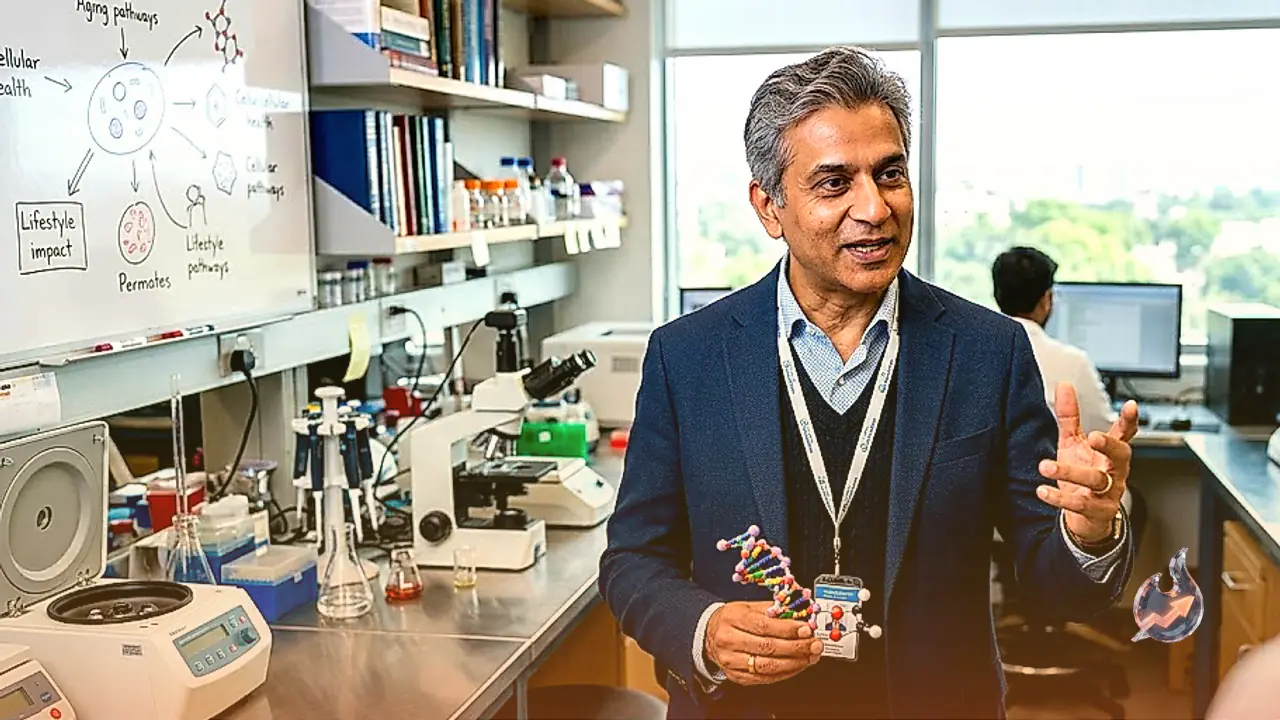


















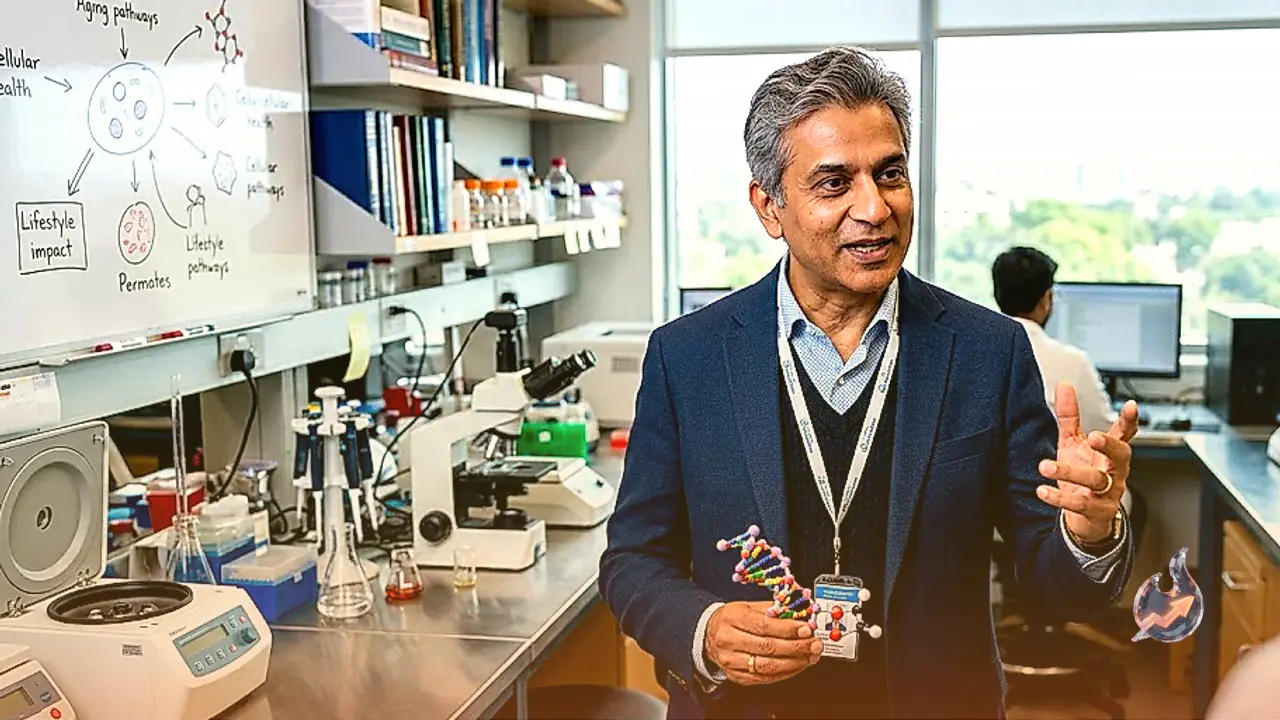

Aging represents an unavoidable natural reality for every human being, yet preserving robust health and daily vitality over the years remains largely dependent on individual routine choices. Dr. Piyush Gupta, a scientist originally from the Tulsisagar locality of Ghazipur who currently conducts aging research in Germany, emphasizes that achieving healthy longevity does not rely on any single magic cure or shortcut. Instead, staying well-preserved and active across decades demands a steady combination of daily habits, wholesome nutrition, regular physical movement, peaceful sleep, and steady psychological balance. Having explored the fundamental biological mechanisms of cellular aging, he shared his perspective on understanding the body's shifting needs over time.
Early Chronic Illnesses Among the Young Generation
Dr. Gupta pointed out that roughly 40 to 50 percent of India's current youth demographic is projected to rapidly transition into an elderly population over the coming decades. At the same time, the alarming surge of conditions such as diabetes and heart attacks among relatively young individuals is creating an urgent public health concern. Seeing such severe conditions strike people during their most productive years originally sparked his personal dedication to aging research. He believes that recognizing the importance of healthy longevity must begin right now during early adulthood rather than waiting for old age to arrive.
Identifying and Regulating Chronic Daily Stress
Modern fast-paced environments routinely expose people to escalating pressures regarding career obligations, household duties, and financial stability. According to Dr. Gupta, unchecked psychological strain does not merely exhaust the brain; it gradually degrades vital organ systems and physical health. Maintaining long-term vitality requires recognizing early signs of mental fatigue instead of brushing them aside. Making stress management an intentional daily priority, investigating the specific sources of anxiety, and systematically calming emotional tension remain far more effective than ignoring mounting discomfort.
Prioritizing Restful Sleep Quality Over Raw Hours
Addressing common misconceptions around night rest, Dr. Gupta explained that spending seven to eight hours in bed does not automatically guarantee adequate rejuvenation. Sleep quality matters far more than simply tallying the clock. True physical repair and mental recovery occur only when the internal nervous system genuinely settles into tranquility. If an individual goes to bed carrying unresolved anxiety, deep-seated pressure, or nonstop overthinking, waking up after eight hours will still leave them feeling depleted and fatigued. Therefore, individuals must evaluate how deeply peaceful their rest actually felt.
Sustained Daily Activity Versus Prolonged Inactivity
Physical exertion stands as a foundational pillar of sustainable healthy aging in scientific research. Dr. Gupta highlighted that keeping muscles active directly enhances cardiorespiratory fitness and systemic endurance. People do not need extreme regimens; simple daily habits adapted to individual physical limits, such as brisk walks, basic workouts, or tailored fitness routines, yield significant benefits. Avoiding chronic physical stagnation and replacing prolonged sitting with dynamic everyday movement preserves the body's functional independence.
Balanced Nutrition and Wholesome Dietary Choices
Nutritional balance governs the rate at which human bodily systems maintain themselves as birthdays accumulate. Daily meals should supply adequate dietary protein alongside all essential micronutrients to facilitate tissue maintenance. Dr. Gupta strongly advised limiting regular intake of heavy fried items and ultra-processed products. Rather than betting everything on hyped single superfoods, cultivating a varied, balanced diet tailored to individual physical requirements offers the most reliable nutritional support.
Harnessing Mindfulness and Yoga for Mental Harmony
Emotional well-being cannot be separated from physical longevity, as internal tranquility reinforces general health. Dr. Gupta advocated integrating mindfulness, meditation, and regular yoga into weekly routines. When individuals develop the capacity to navigate stressful situations smoothly and keep their mental focus firmly rooted in the present, overall physical wellness benefits noticeably. Calming the mind establishes a resilient buffer against physical exhaustion.
Prioritizing Functional Healthspan Over Pure Longevity
Reflecting upon the fundamental mission behind his work in aging and cellular longevity research, Dr. Gupta remarked that the core question is not just how many calendar years a human survives. The far more meaningful metric is how many of those years are spent in full health, active independence, and bodily comfort. Grounded in that philosophy, his scientific investigations in Germany focus on mapping biological shifts during aging to assist people in sustaining energetic, self-reliant lives well into their senior years.