
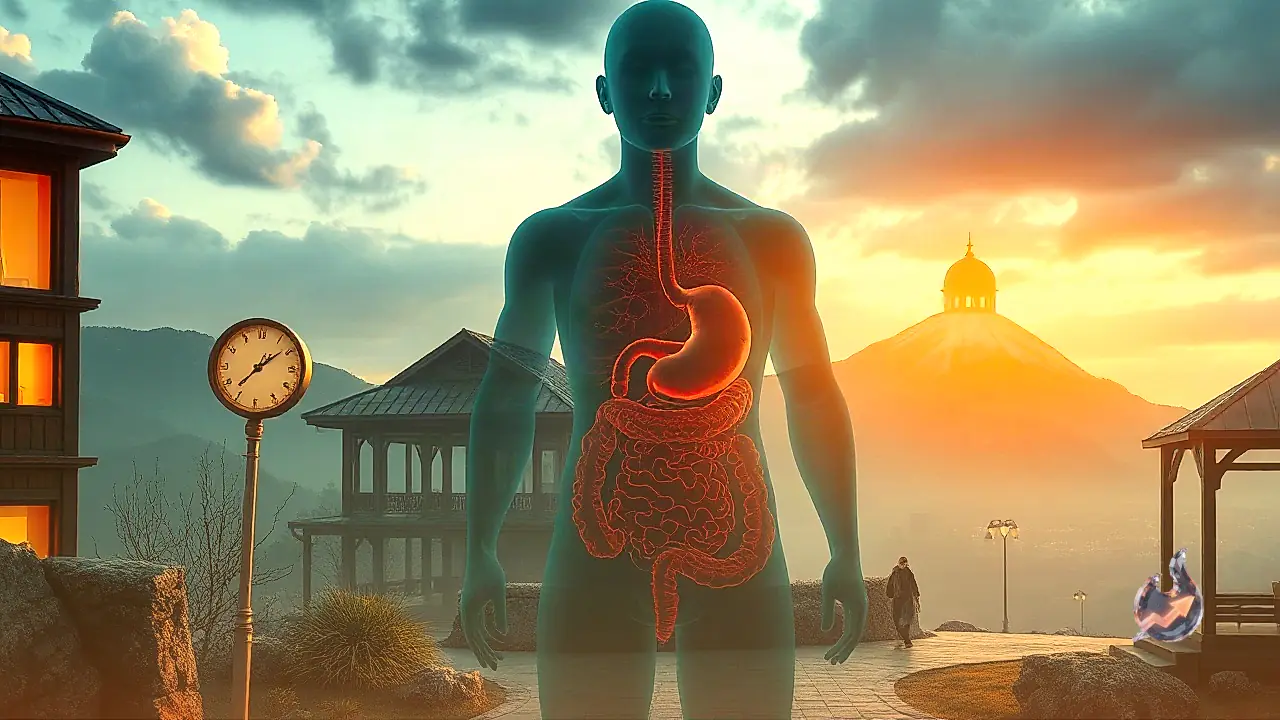






















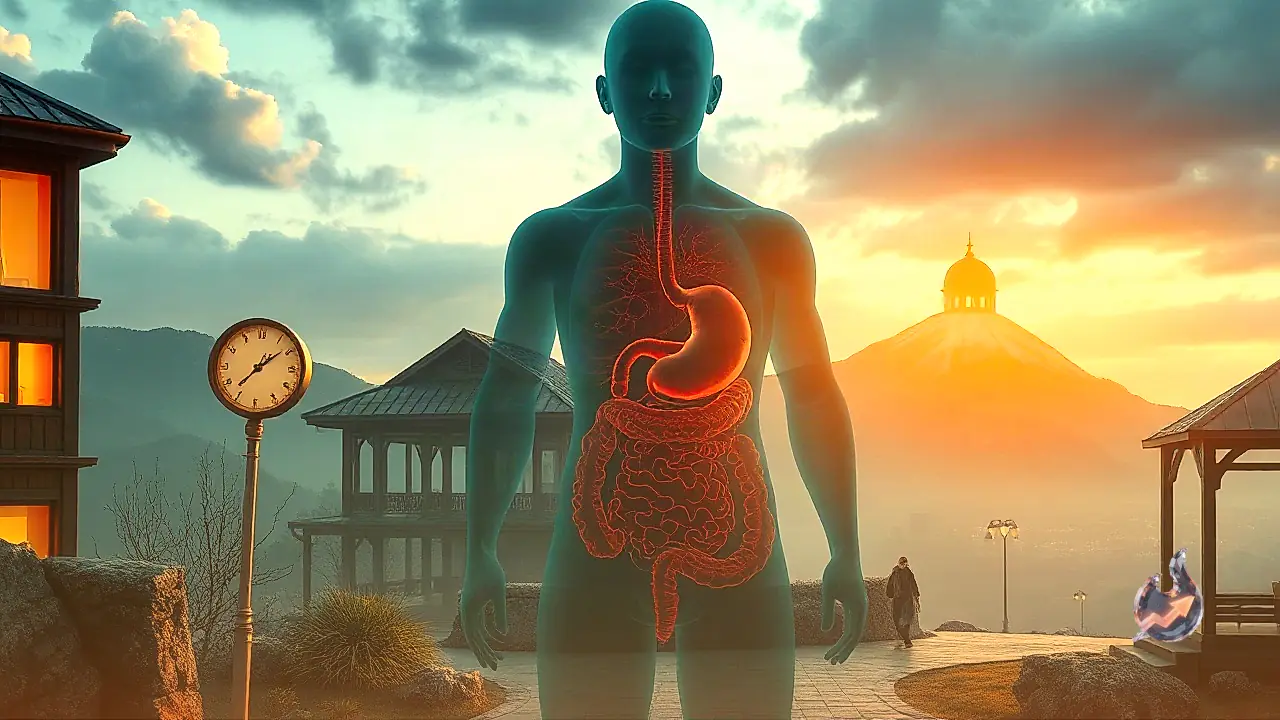

Most people instinctively wash their hands after returning home from the outdoors, aiming to wipe away harmful surface germs. For generations, popular belief treated all bacteria strictly as carriers of infection and illness. Contemporary medical research has fundamentally dismantled that assumption. Inside the human digestive tract resides an immense, bustling ecosystem made up of trillions of bacteria, viruses, and microscopic organisms, collectively known to scientists as the gut microbiome. Far from causing harm, these resident microbes work continuously to keep the host alive and thriving. They play an indispensable part in breaking down complex food molecules, manufacturing essential vitamins, priming the immune system, and transmitting biochemical signals straight to the central nervous system.
The Direct Line Between the Digestive Tract and the Brain
The stomach and intestines function as far more than an internal food processing unit; they operate as a primary control station for the entire body. Sudden moments of romance, anticipation, or joy frequently trigger that familiar fluttering sensation commonly described as butterflies in the stomach. Conversely, acute mental tension, panic, or work-related anxiety frequently manifests as abdominal bloating, indigestion, painful gas, or sudden constipation. Both reactions illustrate real-time communication between the digestive tract and cognitive centers. Researchers identify this bidirectional biological highway as the gut-brain connection. When psychological distress builds up, the stomach often reacts with physical dysfunction, and when chronic inflammation or microbial imbalance strikes the gut, personal mood and mental focus deteriorate in tandem.
Fiber Serves as Vital Fuel for Resident Bacteria
Sitting down for a daily meal is never an individual act; it is a shared feast with trillions of internal microbial partners. When a diet regularly features lentils, legumes, whole grains, oats, fresh fruits, vegetables, chickpeas, kidney beans, pearl millet, or sorghum, a significant portion of dietary fiber travels undigested down into the large intestine. Specialized bacteria waiting in the colon break down and ferment this fiber, producing vital metabolic byproducts that lower systemic inflammation, reinforce immune defenses, and regulate metabolic speed. The time-tested household advice to consume abundant green vegetables for smooth digestion now stands fully validated by rigorous microbiological research.
Urban Food Culture and the Depletion of Bacterial Diversity
Modern urban living has dramatically shifted human dietary habits. The constant consumption of restaurant takeout, ultra-processed packaged snacks, sugary beverages, sedentary work routines, and the routine misuse of antibiotic medications are rapidly destabilizing the internal ecosystem. A comprehensive study conducted across South Asia revealed that city dwellers harbor significantly less diversity in their gut microbiomes compared to rural populations. A diverse bacterial community serves as a vital shield for long-term health. Starting the morning on tea and refined flour biscuits, consuming fast food for lunch, and finishing the evening with processed snacks starves beneficial bacteria of the fibrous nourishment they require to survive.
Investigating the Links to Obesity and Metabolic Disorders
Renowned gastroenterologist Dr. Pal Manickam points out that scientific investigators have uncovered compelling associations connecting the gut microbiome to obesity, diabetes, and broader metabolic ailments. In a famous laboratory trial, researchers transferred gut microbes extracted from obese mice into lean mice, after which the recipient animals experienced a rapid, pronounced increase in body fat accumulation. Human biology operates on a far more intricate scale than animal models, meaning chronic conditions like diabetes cannot simply be blamed on bacteria alone. Even so, medical authorities widely agree that nurturing gut health forms an essential pillar of comprehensive metabolic recovery and preventative medicine.
Whole Food Fiber Outweighs Pricey Probiotic Pills
Commercial shelves are packed with over-the-counter probiotic supplements claiming to instantly reset digestive balance. Clinical experts emphasize that the vast majority of individuals do not need expensive capsules; the most dependable, sustainable remedy is readily available through natural fiber-dense foods. Everyday staples such as split peas, chickpeas, kidney beans, seasonal produce, oats, millet, and naturally fermented items like yogurt, idli, dosa, and dhokla supply far superior sustenance for resident microbes, helping them thrive naturally without chemical intervention.
Five Practical Habits to Safeguard Digestive Well-Being
Protecting the gut microbiome requires simple, consistent adjustments to everyday living patterns.
- Daily Yogurt Intake: Incorporate at least one bowl of fresh, unflavored curd or yogurt into everyday meals.
- Vegetable Diversity: Rotate a wide variety of fresh seasonal vegetables and fruits across weekly meal plans.
- Regular Legumes: Make lentils, chickpeas, kidney beans, and other legumes dependable staples of daily cooking.
- Cautious Medication: Avoid consuming antibiotic treatments without strict medical necessity and professional supervision.
- Sufficient Rest and Exercise: Protect restful sleep hours and participate in regular physical activity to sustain healthy digestive motility.
Whether someone aims to manage excess body weight, prevent chronic disease, or enhance overall physical resilience, dietary fiber remains the cornerstone of digestive health. Highly processed junk food may offer temporary convenience, but the internal biological cost to the body is steep.