






















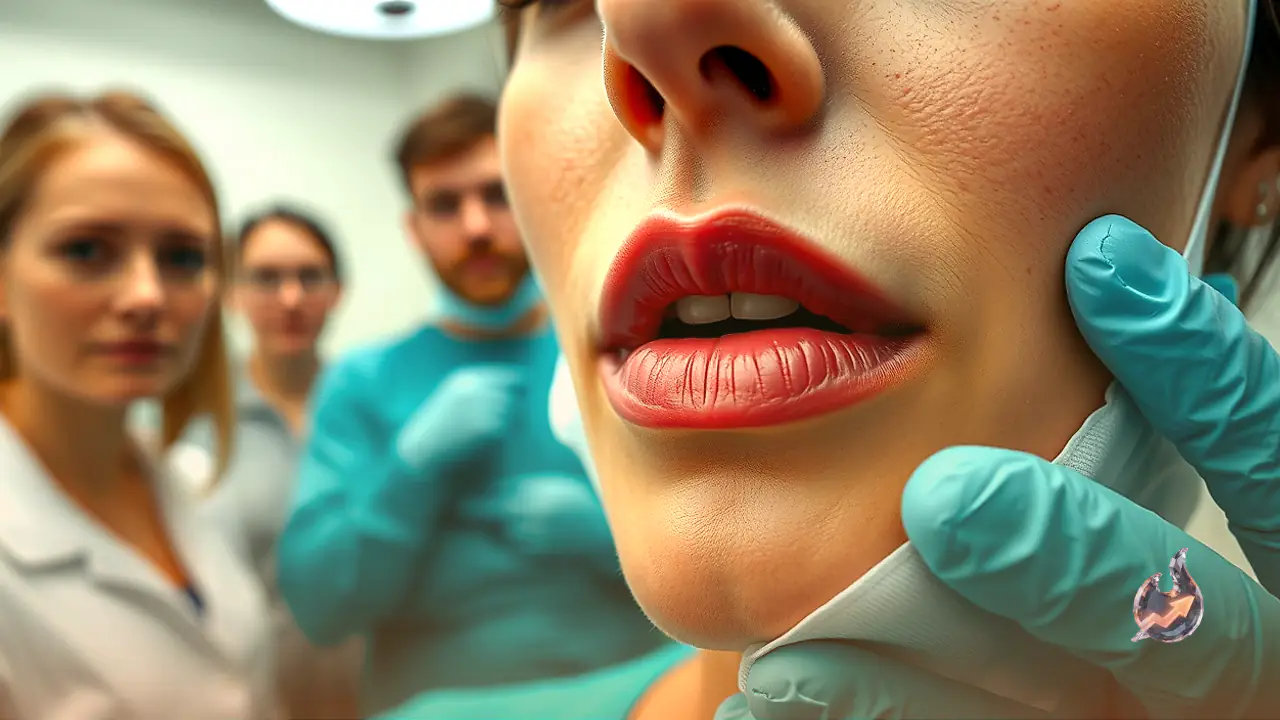

When lips develop a noticeably darker tone, most individuals turn to moisturizing balms, exfoliating scrubs, or kitchen remedies. However, if the pigmentation is deep-rooted or has persisted over a prolonged duration, regular self-care routines often fail to deliver visible improvement. In such circumstances, dermatologists examine the underlying causes to recommend tailored clinical treatments. These interventions can include precision laser procedures, controlled dermatological applications, and therapies focused on eliminating triggers, though not every clinical method is universally suitable for every individual.
Targeted Precision With Q-Switched Nd Laser
To break down stubborn dark patches on the lips, specialists frequently evaluate the use of the Q-Switched Nd Laser. This specific laser technology targets the excess pigment embedded within the delicate tissue layers. Dermatologists assess the patient's natural lip shade, baseline skin classification, and the exact depth of the pigment before deciding if laser intervention is appropriate. The full therapeutic process often requires multiple treatment sessions rather than a single visit. Outcomes naturally vary from one patient to another. Crucially, choosing inappropriate laser parameters or undergoing unqualified handling can trigger severe irritation, visible scarring, or even post-inflammatory hyperpigmentation that makes the lips darker.
Careful Application of Controlled Chemical Peels
In select scenarios, medical practitioners may opt for gentle chemical peeling agents. This method uses specific mild formulations to exert a carefully controlled exfoliating effect on the superficial outer layer of the skin. Because labial tissue is exceptionally fragile and delicate, peels must be handled with supreme caution. Standard facial peels are far too aggressive and completely unsafe for use on the lips. Applying a harsh formula or using improper application techniques can trigger swelling, severe burning sensations, and rebound pigmentation. Therefore, patients should never attempt DIY chemical peeling at home, relying exclusively on trained clinical guidance.
Addressing Cosmetic Allergies and Risky Topicals
When dark discoloration stems from contact allergies, chemical irritants, or reactions to certain lipsticks and everyday balms, the primary medical objective is identifying and stopping the offending product immediately. Once the trigger is withdrawn, physicians prescribe soothing topical medicines or supportive care suited to the barrier repair process. A common and risky mistake is applying regular facial de-pigmenting creams to the mouth. Strong prescription compounds such as hydroquinone, tretinoin, or topical steroids must never be applied to the lips without direct medical supervision, as they can severely compromise the delicate mucosal barrier.
Essential Daily Care and Sun Defense
Undergoing clinical care does not eliminate the need for meticulous, everyday lip preservation. Keeping the lips continuously hydrated and safeguarding them against ultraviolet damage is non-negotiable. Before heading outdoors, apply a protective lip balm offering SPF 30 or higher broad-spectrum defense. Steer clear of heavily fragranced lip cosmetics or formulations packed with irritating additives that inflame fragile tissue. Similarly, avoid aggressive abrasive scrubs as well as acidic kitchen remedies like raw lemon juice and baking soda, both of which strip natural moisture and aggravate sensitive skin.