















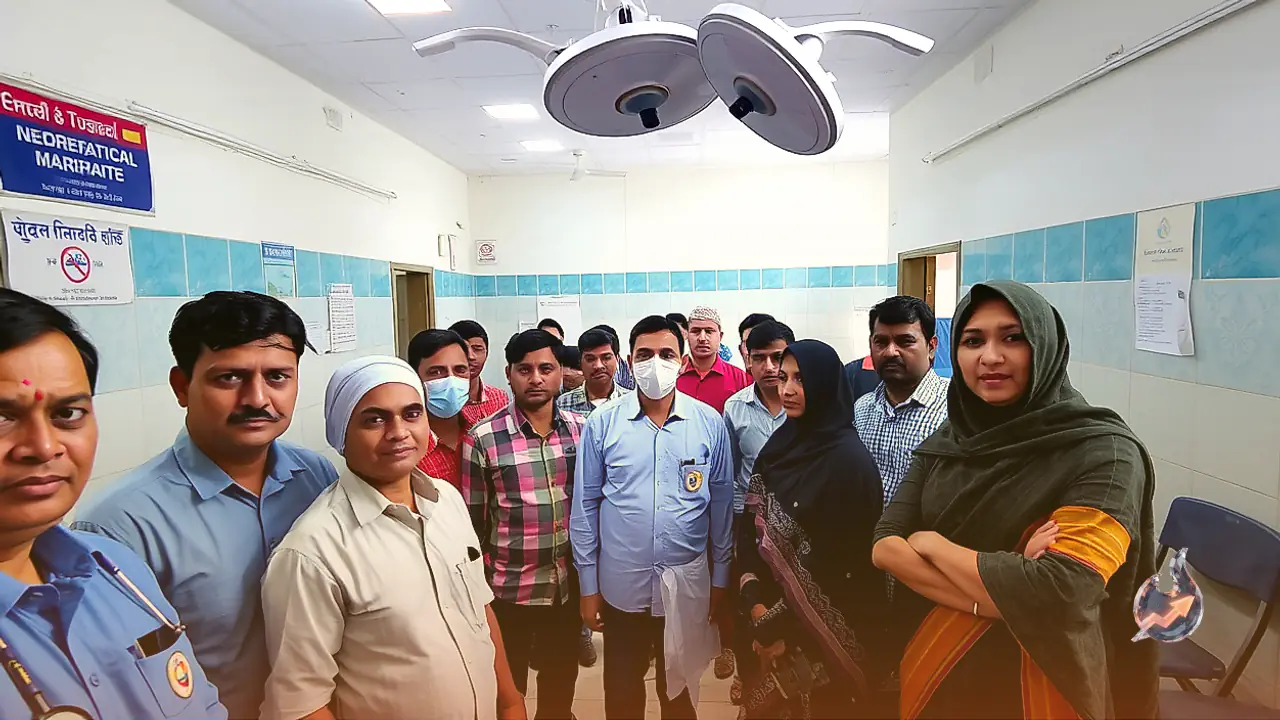

Residents of Lakhimpur Kheri have gained vital access to advanced healthcare with the formal introduction of a dedicated neurosurgical outpatient department at the district hospital operating under the medical college. This newly added facility directly addresses conditions concerning the brain, spine, and nervous system, eliminating the longstanding necessity for patients to travel approximately 160 kilometers to Lucknow or other major metropolitan centres for medical evaluation. Having specialist medical advice available within the home district will conserve critical travel time, reduce psychological stress, and prevent excessive financial drain on families managing complex neurological ailments.
Tuesday Clinic Sessions to Commence Early Morning
According to the operational schedule established for the hospital, the neurosurgical OPD will function on Tuesdays each week. Outlining the service framework, Doctor Siddharth indicated that outpatient consultations begin at 8 AM. Patients contending with chronic or acute nerve, spine, or head complications can arrive at the facility during designated hours to secure an evaluation from the specialist. Doctor Siddharth explained that the primary motivation behind launching this clinical wing is to deliver comprehensive healthcare directly to the local community, ensuring that residents do not have to undertake exhausting outstation journeys for either routine consultations or specialized neurological advice.
Relief from Metropolitan Travel and Escalating Expenses
Disorders affecting the central nervous system, brain, and spinal column demand timely intervention from qualified specialists. Warning signs such as chronic headaches, episodes of dizziness, muscular weakness across the limbs, persistent nerve irritation, and debilitating spinal discomfort often indicate underlying issues that primary general care cannot fully address. In a geographically expansive district like Kheri, the prolonged shortage of localized neurosurgical personnel meant that healthcare workers were routinely compelled to refer patients to tertiary institutions in bigger cities following rudimentary screening.
Such referral protocols inevitably imposed heavy logistical burdens. Whenever a patient was directed out of town, one or more relatives had to accompany them, incurring substantial transportation fares, lodging fees, and food costs. Whenever families ended up approaching private medical establishments outside the district, overall clinical expenses mounted rapidly. With the commencement of this on-site OPD, initial evaluations and subsequent follow-up sessions can be managed locally, saving families from unnecessary metropolitan trips whenever direct surgical hospitalization is not immediately required.
Subsidized Consultations and Free Diagnostic Testing
One of the central benefits of this initiative lies in its accessibility through public healthcare channels, which primarily protects disadvantaged and rural populations from predatory medical costs. Patients visiting the hospital can consult the neurosurgeon upon paying a standard government registration fee of just 1 rupee. In sharp contrast to private healthcare centres where specialist consultation fees alone consume a major portion of a household budget, this initiative maintains nominal costs for expert clinical opinions.
Diagnostic evaluations form another essential component of neurological management, and the facility has incorporated these needs into its government-funded model. Doctor Siddharth noted that various fundamental diagnostic examinations are made available to visiting patients free of cost. Following clinical examinations, the attending doctor will recommend appropriate tests based on individual symptoms, all of which are conducted within hospital facilities without additional charges. Relieving families of investigation charges removes a major fiscal hurdle during health crises, and medical staff will continue to guide patients regarding necessary advanced interventions as the programme matures over time.