























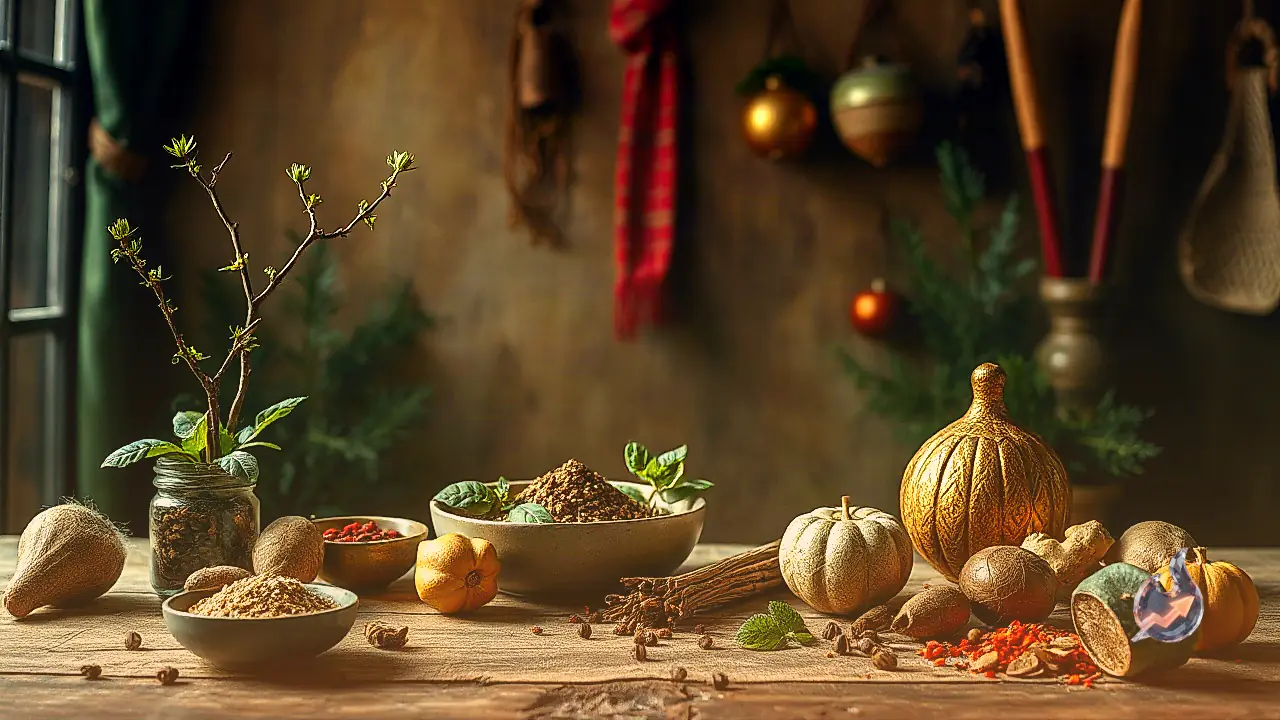

As the weather transitions, many individuals find themselves grappling with common ailments like colds, coughs, sore throats, and mild sniffles. The contrast between warm afternoons and chilly mornings requires the human body to take some time to adapt to the shifting atmosphere. During such periods, paying close attention to daily dietary habits becomes essential. Preparing a traditional tulsi decoction at home is a straightforward process that involves minimal hassle and practically no significant expense. This herbal brew incorporates items such as tulsi leaves, ginger, black pepper, and cinnamon, which collectively impart a warming quality and a robust flavor.
Easily Accessible Kitchen Ingredients
Brewing this traditional drink does not require gathering expensive items from the market. The recipe calls for ten to twelve fresh tulsi leaves, a one-inch piece of ginger, four to five black peppercorns, a small stick of cinnamon, and two cups of water. For those who prefer a sweeter taste, a little honey or jaggery can be stirred in after the decoction cools down slightly to a lukewarm temperature. All of these components are typically found with great ease in almost any home kitchen.
Step-by-Step Preparation Method
To begin making the herbal drink, pour two cups of water into a pan and bring it to a boil. Next, add the tulsi leaves, ginger, black pepper, and cinnamon to the boiling liquid. Let the mixture simmer over a low flame until the water volume reduces to about half. Once done, turn off the heat source and strain the liquid carefully. Instead of consuming it piping hot, allow it to reach a comfortable lukewarm state. For enhanced flavor, a small quantity of honey or jaggery can be mixed in before drinking.
Introducing ginger to the concoction gives it a slightly pungent and warming profile. People frequently prefer warm ginger-infused beverages during changing weather patterns, particularly when experiencing throat discomfort or irritation. Traditionally, ginger has long found a place in household care associated with digestion and cold-related symptoms. However, this herbal tea is by no means a direct cure for any disease. If the discomfort intensifies, persists for an extended period, or continues to worsen, consulting a medical professional remains the best course of action.
Adding black pepper and cinnamon to the tulsi brew enhances both its aroma and overall taste profile. The mild heat provided by black pepper makes the drink distinctive, while cinnamon introduces a fragrant, sweet undertone. Both of these spices have a rich history of use in traditional home remedies. Care should be taken not to use excessive quantities of these spices, as an overly fiery brew can potentially cause irritation in the throat or stomach of certain individuals.
Tulsi contains a variety of beneficial plant compounds and antioxidants. Because of these inherent properties, the herb has traditionally been regarded as highly valuable for overall well-being. A warm decoction crafted with ginger and black pepper offers a soothing sensation to the throat and provides internal warmth during chilly spells. Nevertheless, this should not be viewed as an absolute guarantee for boosting immunity or eradicating infections entirely. Maintaining a balanced diet and ensuring adequate rest remain equally vital.
This herbal remedy can be consumed lukewarm either in the morning or evening. When experiencing mild seasonal cold symptoms, coughs, or a scratchy throat, one cup a day is usually sufficient. There is no need to make the drink overly concentrated or excessively spiced. Rather than drinking it immediately after a heavy meal, maintain a reasonable gap. By utilizing readily available household ingredients, individuals can easily try out this traditional remedy and find comfort from minor seasonal discomforts.