



















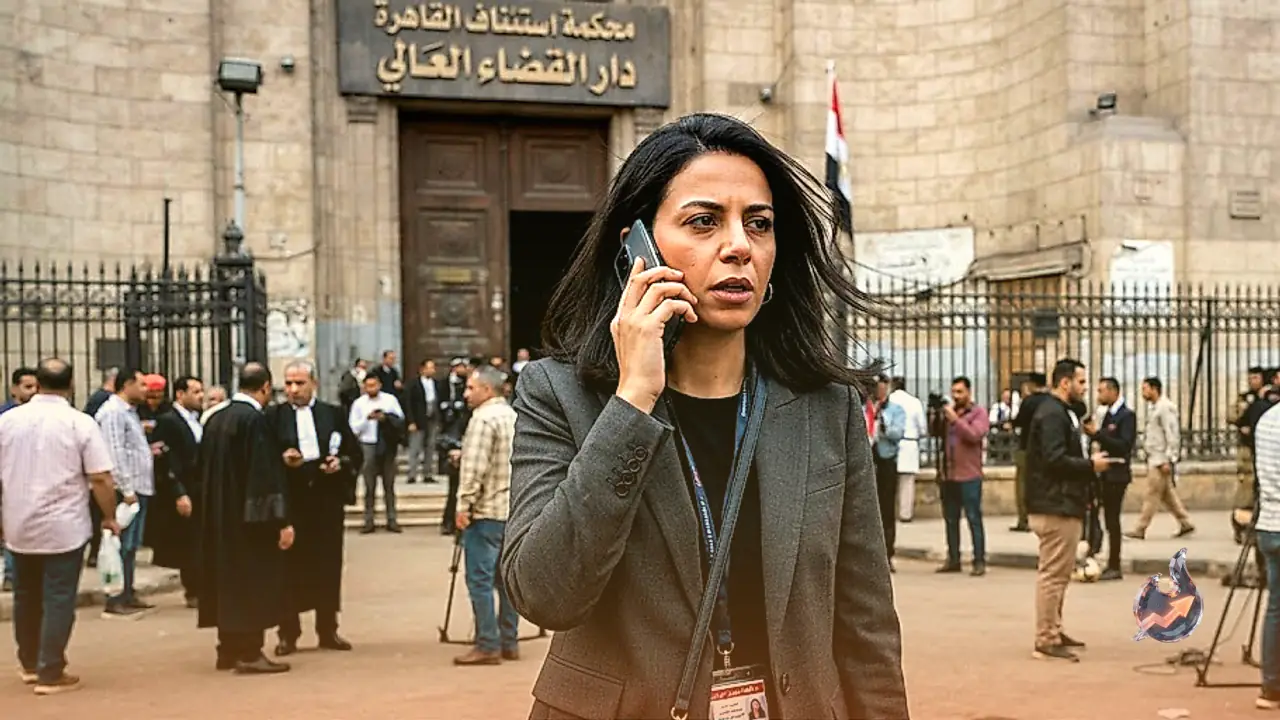

Egyptian authorities have dealt another severe blow to independent reporting by taking Lina Attalah, editor-in-chief of the renowned news outlet Mada Masr, into custody following a contentious court ruling. The New Cairo Misdemeanours Court convicted Attalah on charges of operating a website without a legal licence and ordered the immediate shutdown of the publication. The court also levied a penalty of 3m Egyptian pounds (equivalent to approximately $53,500 or £40,100), representing the statutory maximum fine permitted under the offence. According to her defence counsel, Attalah will remain incarcerated until the substantial monetary penalty is settled in full. She has consistently denied the allegations levelled against her.
Closed-Door Proceedings and Defence Irregularities
The legal process leading to Attalah's detention was marked by extraordinary courtroom interventions during Tuesday's hearing. Presiding Judge Mohammed Mubarak directed security personnel to clear the entire courtroom, barring spectators, press, and the public. Only Attalah, her eight-member defence legal team, and Hossam Bahgat, executive director of the Egyptian Initiative for Personal Rights (EIPR), were permitted to remain inside. Following the evacuation, additional security forces moved in to secure the chamber.
According to Bahgat, the tribunal summarily dismissed multiple procedural requests presented by Attalah's legal representatives. The bench then abruptly announced the unilateral appointment of an outside lawyer to represent the editor, drawing from the Lawyers' Syndicate and entering the assignment directly into the official trial ledger. The manoeuvre took the room by complete surprise.
Attalah raised immediate objections from the dock against having court-designated counsel imposed upon her case, but the judge declined to register her objections in the official record. The judge then dictated motions on behalf of the newly assigned attorney, despite the fact that the designated individual never uttered a single word throughout the entire session. Over the vocal protests and shouts of the defence team, the judge pronounced the 3m Egyptian pound fine and mandated the permanent shutdown of Mada Masr before ordering security officers to take Attalah into custody.
The Regulatory Impasse and Prolonged Administrative Pressure
Founded in 2013, Mada Masr established a reputation as one of Egypt's rare independent bastions of investigative journalism and critical domestic reporting. That posture brought persistent institutional friction and continuous surveillance from state security bodies. Following the enactment of sweeping media legislation in 2018, the publication repeatedly submitted applications to secure an official publishing licence from the Supreme Media Regulatory Council (SMRC). However, regulatory authorities systematically stonewalled the process, leaving the paperwork unacknowledged or rejecting filings without formal justification.
Attalah has been subjected to protracted administrative and judicial intimidation spanning several years, including six distinct criminal inquiries related directly to Mada Masr's reporting. Just last week, state prosecutors called her in for intensive questioning surrounding allegations of disseminating false information and running an unregistered digital media platform.
Legal counsel for the publication confirmed that prosecutors specifically scrutinised a recent report concerning demonstrations occurring within penal facilities across Egypt, alongside official correspondence from the SMRC questioning the outlet's operational standing. While Attalah was briefly granted release on bail following that interrogation, prosecutorial authorities swiftly referred her to the New Cairo Misdemeanours Court under the charge of unlicensed digital operations, culminating in her arrest.
Wider Repression of Free Speech and the Press in Egypt
The legal offensive against Mada Masr forms part of a systematic crackdown across Egypt's media landscape. Only weeks prior to Attalah's conviction, state authorities initiated criminal proceedings against six journalists affiliated with Matsda2sh, an independent fact-checking platform, accusing them of membership in the banned Muslim Brotherhood organisation.
Data compiled by the Committee to Protect Journalists (CPJ) ranks Egypt among the most prolific jailers of media workers worldwide, with 25 journalists currently held behind bars in the country. Rights monitors point to the tenure of President Abdul Fattah al-Sisi as marking an unprecedented suppression of political dissent since 2013, when he led the military ouster of former president and Muslim Brotherhood figure Mohammed Morsi.
Over the intervening decade, tens of thousands of individuals have been swept into detention centres across the country. While members and perceived backers of the Muslim Brotherhood have constituted the majority of detainees, the dragnet has consistently targeted secular campaigners, civil rights defenders, union organisers, university scholars, and independent media practitioners who offer commentary independent of the state narrative.
International Rights Organisations Demand Reversal
The punitive ruling has triggered urgent condemnation from international press freedom monitors and human rights watchdogs. Amnesty International denounced the conviction as a devastating strike against freedom of expression, describing the court's decree as a dark day for independent reporting in Egypt and demanding the immediate nullification of the judgement.
Yasmine Ahmed, Amnesty International's senior director for regional impact, strongly criticised the legal process, stating,
"This draconian ruling is the culmination of years of relentless harassment and unjust proceedings designed to shut down one of the country's last remaining independent media voices."She further underscored that Attalah should never have faced criminal prosecution merely for exercising her basic right to freedom of expression and fulfilling her professional journalistic duties.
CPJ Regional Director Sara Qudah also expressed sharp concern regarding the implications for all journalists working under Egyptian jurisdiction, warning,
"If Egypt can put in custody one of its most respected editors and shut down her newsroom, no independent journalist in the country is safe."The advocacy organisation called for Attalah's unconditional release from detention and insisted that Mada Masr be permitted to resume publication without state interference.