


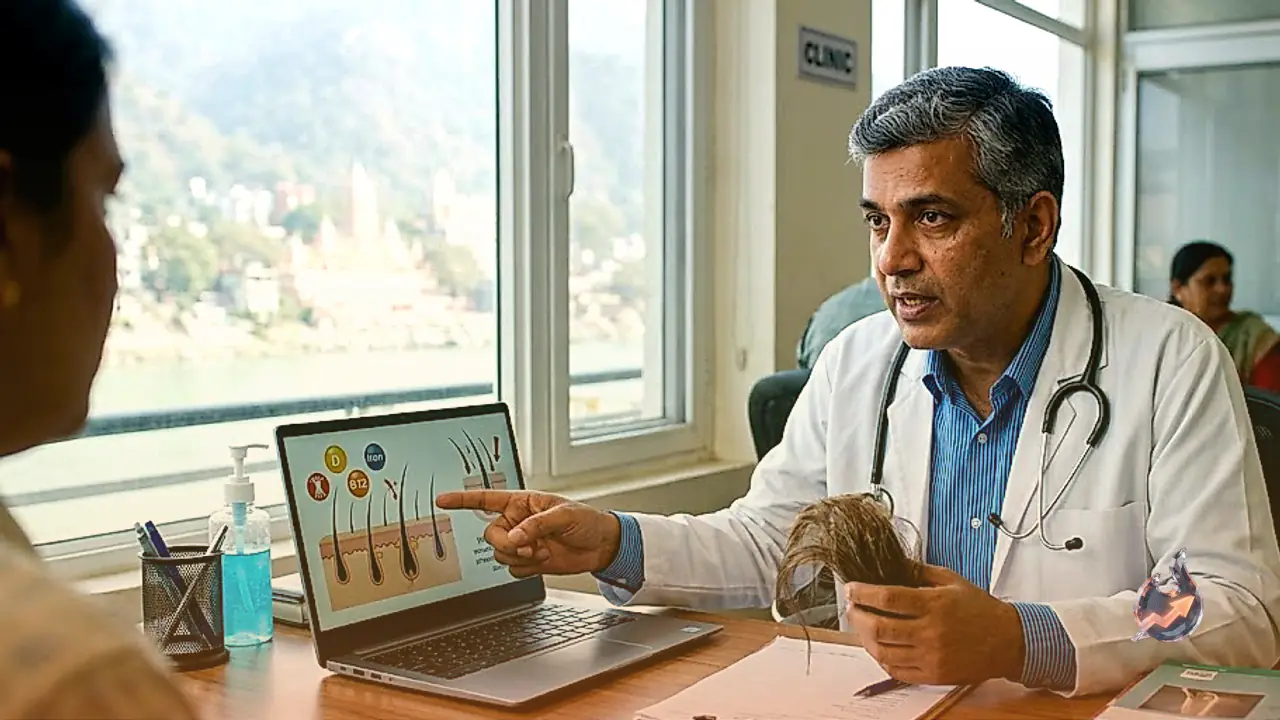




















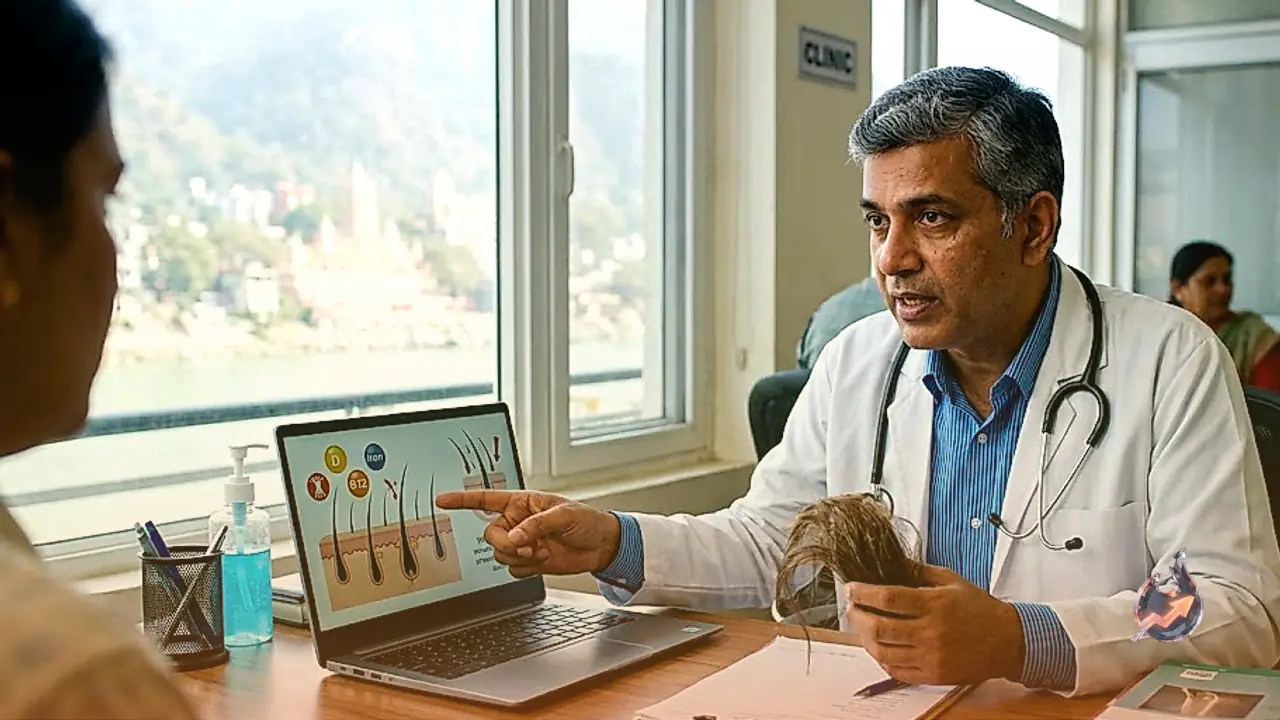

Hair loss has become a common issue in Rishikesh. While losing a few strands daily is normal, a sudden and noticeable increase in hair fall, finding more strands on your pillow or comb, or noticing clumps of hair while bathing should not be ignored. During such times, many people immediately rush to change their shampoo, hair oil, or serum. However, the root cause of hair fall is not always related to a faulty hair product. Often, internal bodily deficiencies, underlying illnesses, stress, or hormonal fluctuations directly impact hair health. Therefore, if hair shedding is persistent and heavy, understanding the real trigger is essential.
Why Changing Shampoos Does Not Always Stop Hair Fall
Hair products are not always to blame for hair thinning and breakage. Nutritional deficiencies, physiological changes, and lifestyle factors play a major role. Dr. Rajkumar, an Ayurveda physician from Rishikesh, explains that hair requires adequate amounts of protein, iron, vitamins, and other essential nutrients to grow and stay strong. If these nutrients are lacking in the diet for a prolonged period, hair becomes weak and breaks easily. Iron deficiency, in particular, is considered a primary driver of hair fall. Women can experience iron deficiency due to heavy menstrual bleeding. Additionally, deficiencies in vitamin D and vitamin B12 can also trigger hair problems in certain individuals.
Thyroid Imbalances and Nutritional Shortfalls
Thyroid disorders can also lead to excessive hair shedding. Thyroid hormones regulate numerous bodily functions, and any imbalance in them can accelerate hair loss. If hair fall is accompanied by persistent fatigue, sudden weight gain or loss, and unusual sensitivity to cold or heat, consulting a doctor is strongly recommended. The expert notes that hormonal shifts in women significantly affect hair health. Fluctuations during menstruation, pregnancy, or the post-delivery period can cause temporary heavy shedding. Conditions like polycystic ovary syndrome can also lead to thinning hair or localized hair loss in some women.
The Impact of Stress and Crash Dieting
Stress is another major catalyst for hair fall. Chronic stress, sleep deprivation, heavy workloads, or recovery from a major illness can trigger increased hair shedding weeks or months later. If hair loss increases suddenly, it is important to evaluate any severe fevers, stressful events, or rapid weight fluctuations experienced over the past few months. Furthermore, extreme dieting or trying to lose weight too quickly can severely harm hair. When the body is starved of adequate food and protein, it prioritizes vital internal functions, halting normal hair growth. Dr. Rajkumar advises against drastically cutting down food intake for weight loss and emphasizes incorporating lentils, chickpeas, kidney beans, paneer, eggs, milk, curd, soy, or other preferred protein sources into the daily diet.
Hair Styling Habits and When to See a Expert
Hair care practices also matter significantly. Excessive heat styling, frequent coloring, chemical treatments, tying hair too tightly, and vigorously combing wet hair can weaken strands and cause breakage. However, if hair is shedding excessively from the roots, merely swapping out hair care products will not reveal or solve the underlying problem. If hair fall continues for days, patches begin to appear on the scalp, hair becomes extremely thin, or comes out in clumps, consulting a doctor or a dermatologist is crucial.