






















During the rainy season, snakes become increasingly active near fields, gardens, and homes. The risk of encountering venomous species like cobras, kraits, and Russell's vipers rises significantly. According to experts, the most critical aspect of managing a snakebite case is maintaining composure within the first hour. Receiving medical care during this window dramatically improves the chances of survival for the victim.
Stay Calm and Keep the Body Still
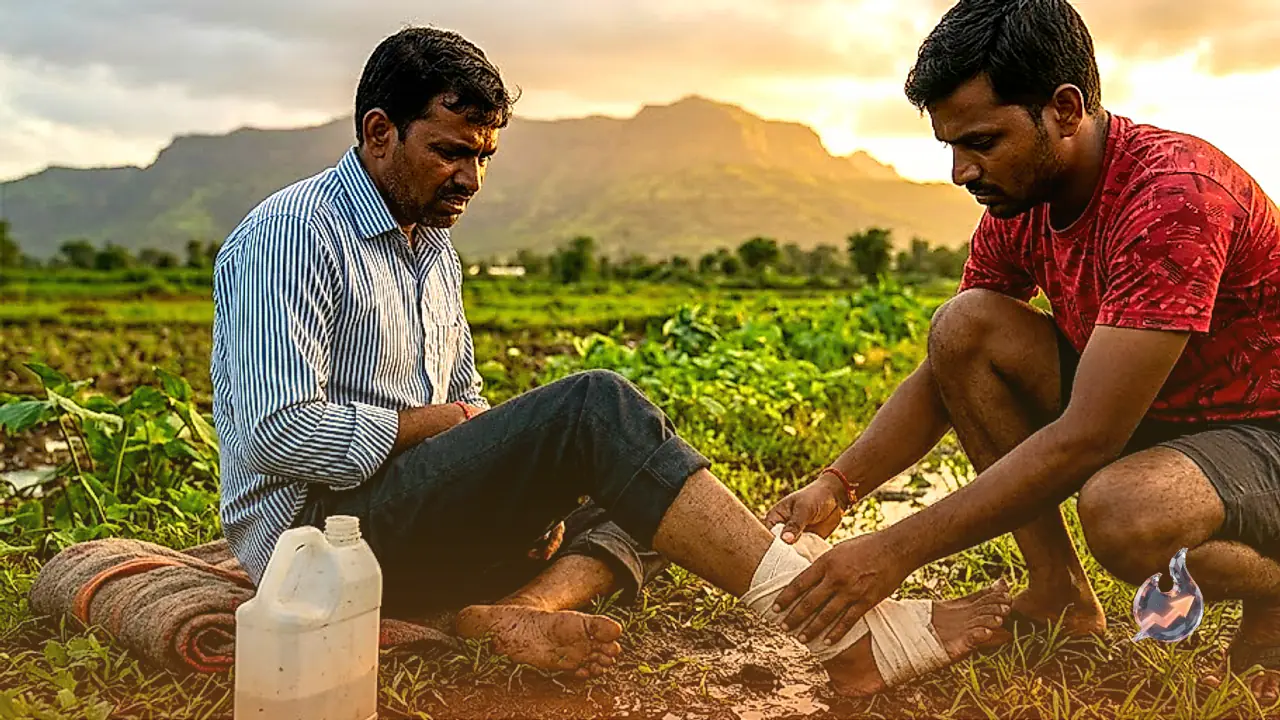
The first priority after a snakebite is to keep the victim calm. Panic increases the heart rate, which causes the venom to circulate through the body much faster. Minimize any movement of the affected person and keep them in a resting position. Keep the bitten limb as still as possible and position it slightly below the level of the heart to slow the spread of the toxin.
Avoid Common and Dangerous Myths
People often resort to traditional but harmful methods that can worsen the situation. It is strictly advised to avoid tying a tourniquet with rope, cloth, or wire, trying to suck out the venom, making incisions on the wound, or applying ice. These actions can cause severe tissue damage or secondary infections. Furthermore, immediately remove any jewelry, such as rings, bracelets, or watches, from the affected hand or leg, as swelling caused by the venom can severely restrict blood flow.
Seek Medical Attention Immediately
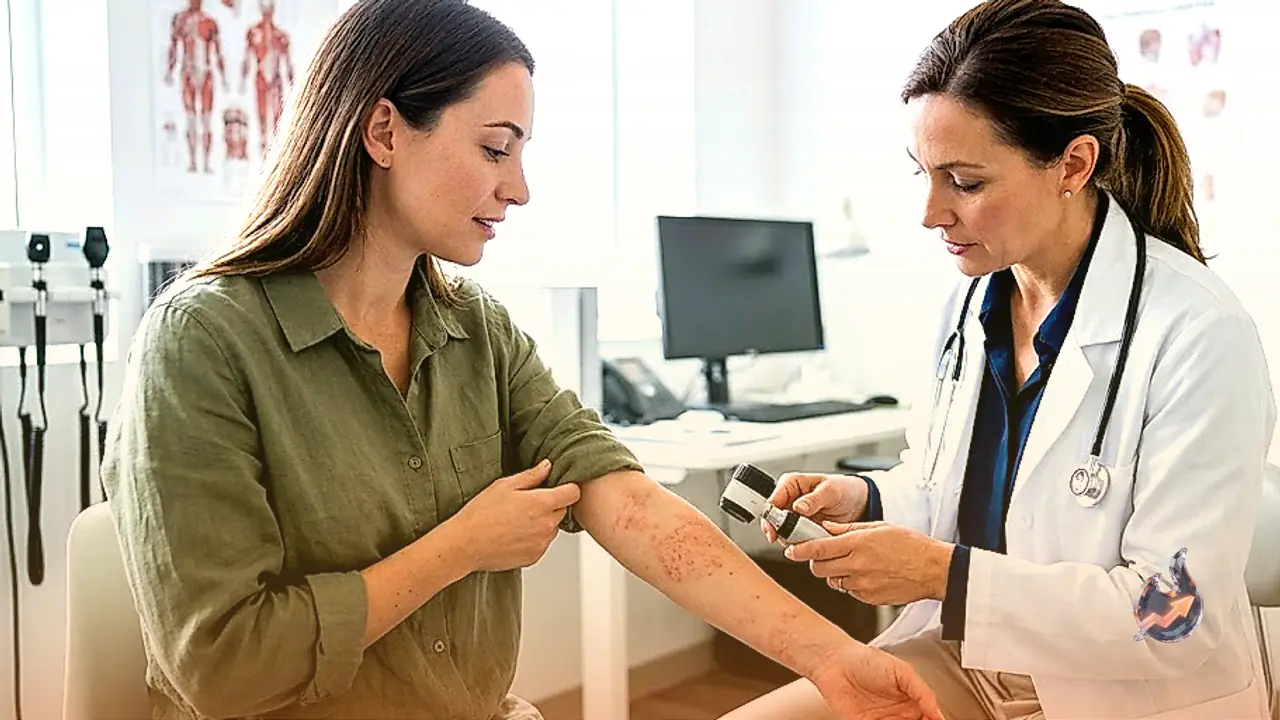
Do not waste any time and transport the patient to the nearest hospital that provides anti-snake venom (ASV). Using an ambulance is the preferred method of transport. Do not force the patient to walk or run under any circumstances, as physical activity speeds up the absorption of venom into the bloodstream. Use a stretcher or transport them via vehicle to ensure they remain inactive.
Identify the Snake Safely
If the snake can be photographed from a safe distance, doing so might assist doctors in providing the correct treatment. However, do not attempt to capture or kill the snake, as this creates a risk of further accidents. Not all snakes are venomous, but every bite must be treated as a medical emergency until proven otherwise by a professional. Staying vigilant by wearing long boots in fields or brush, using a torch at night, and keeping surroundings free of debris can prevent such incidents from occurring in the first place.