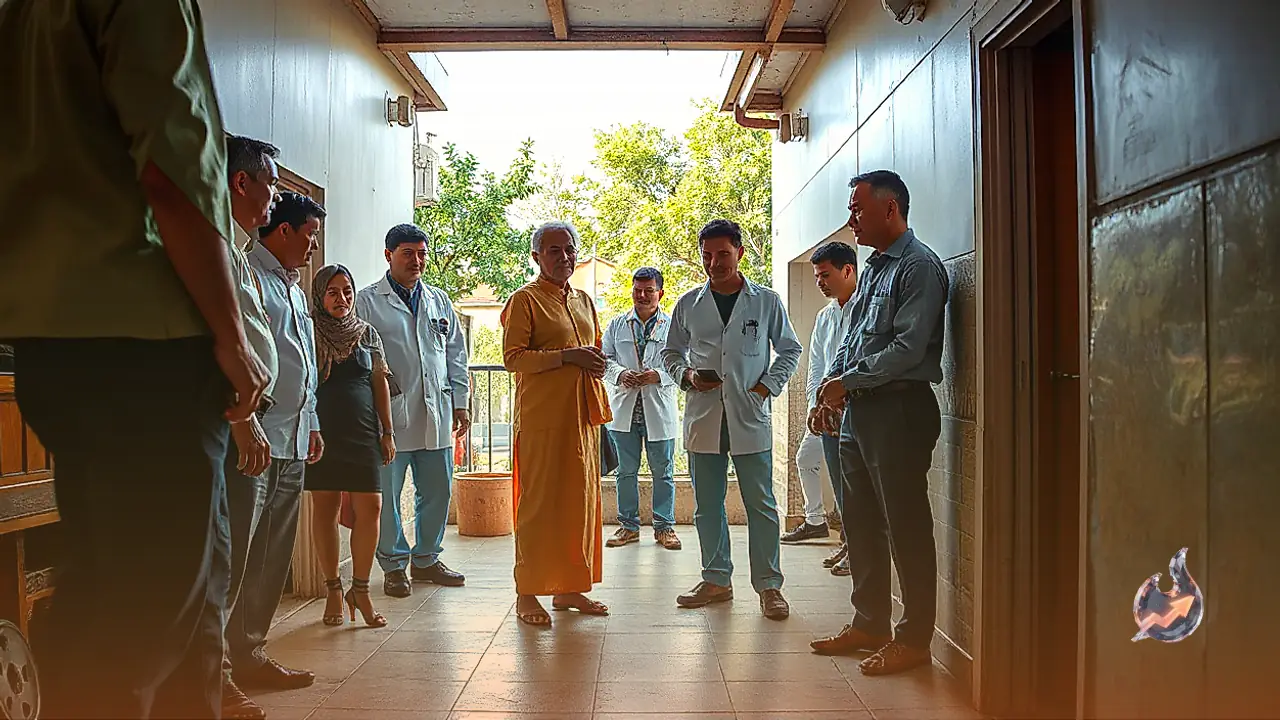























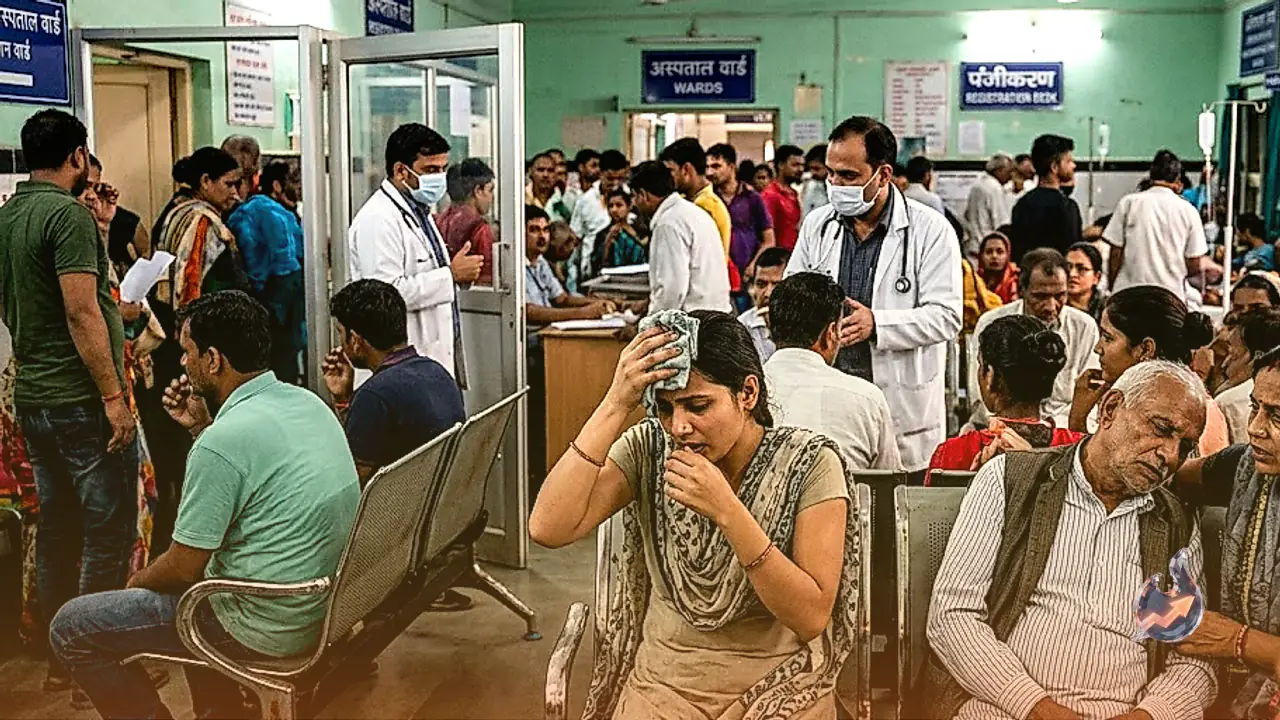

Viral fever cases are rising rapidly across Mirzapur district in Uttar Pradesh, driven by sudden seasonal fluctuations that leave numerous residents vulnerable to respiratory and viral infections. The critical nature of the situation is highlighted by the recent death of a young individual due to negligence while suffering from fever. Despite such risks, many individuals continue to ignore initial symptoms or resort to unprescribed over-the-counter medications. Daily attendance records at the Divisional Hospital in Mirzapur show that over 270 patients are arriving every day seeking medical care for fever, cold, and cough. In response to the growing patient influx, health authorities are maintaining close vigil. Dr. Sunil Kumar Singh, Physician and Medical Superintendent at the Divisional Hospital, has issued vital health guidance urging citizens to remain vigilant, refrain from self-medication, and observe strict preventive measures.
Overlapping Symptoms of Swine Flu and Seasonal Viral Fever
During seasonal shifts, health experts emphasize that identifying early symptoms and commencing appropriate clinical care is vital for recovery. Dr. Sunil Kumar Singh clarified that no cases of swine flu have been detected in Mirzapur district so far. However, he cautioned that the clinical manifestations of swine flu and common viral fever are remarkably similar. Patients frequently present with high fever, common cold, continuous coughing, and shortness of breath. Because these symptoms overlap significantly, individuals often misjudge their illness as a minor indisposition and delay seeking medical help. Dr. Singh explained that both conditions impact the body's immune system, making it essential for anyone experiencing these symptoms to avoid complacency and adopt safety protocols immediately.
Personal Hygiene Standards and Masking Protocols
To curb the transmission of viral infections in public spaces, strict adherence to personal hygiene and protective practices is non-negotiable. Dr. Sunil Kumar Singh advised that wearing a protective mask in public environments remains one of the most effective shields against airborne and viral pathogens. Citizens are strongly encouraged to wear masks whenever stepping outdoors or visiting crowded areas. Additionally, people should refrain from touching unsanitized or frequently touched public surfaces. Recalling the hand hygiene protocols widely taught during the COVID-19 pandemic, Dr. Singh noted that rigorous handwashing practices remain fully relevant today. Upon returning home from outside, individuals should thoroughly wash their hands with soap and water before eating or touching their face to prevent germs from entering the system.
Dietary Precautions and Vital Hydration Practices
Dietary habits play a foundational role in maintaining immunity and preventing seasonal illnesses. Medical experts advise against consuming excessively cold items during weather transitions, as alternating periods of rainfall and bright sunshine create sharp temperature variations that weaken physical health. Residents are strongly cautioned against eating uncovered or pre-cut market fruits. Street food items such as samosas and chaat, which are often displayed in open environments exposed to dust and dirt, should also be strictly avoided. Instead, individuals should consume fresh, home-washed fruits and maintain optimal hydration levels by drinking plenty of fluids. Utilizing Oral Rehydration Salts (ORS) available through government health supplies helps preserve the body's electrolyte balance during changing weather conditions.
Preventing Mosquito Breeding and Eliminating Stagnant Water
With the conclusion of heavy rains or during intermittent rainfall spells, the risk of mosquito-borne diseases such as dengue escalates significantly. Dr. Sunil Kumar Singh highlighted that standing water accumulated after rain creates ideal breeding grounds for mosquitoes. Homeowners and community members must ensure that any stagnant water around their residential surroundings is promptly drained and cleaned. Air coolers installed in houses require special attention, as stagnant water left inside them poses a high risk of breeding mosquito larvae. By maintaining cleanliness and taking these straightforward domestic precautions, citizens can effectively protect themselves and their families from dengue, swine flu, and seasonal viral outbreaks.
Dangers of Self-Medication and Importance of Clinical Diagnosis
One of the most dangerous tendencies during a fever outbreak is purchasing over-the-counter pharmaceuticals without professional medical advice. Dr. Sunil Kumar Singh issued a stern warning against self-medication, stating that consuming medicines without proper medical consultation can exacerbate health complications and lead to adverse drug reactions. If a person or family member experiences fever, persistent cold, or breathing difficulties, they should immediately visit a recognized healthcare facility. Residents of Mirzapur are advised to seek professional consultation and diagnostic testing at the Divisional Hospital, local Community Health Centers (CHCs), or Primary Health Centers (PHCs). Obtaining an accurate diagnosis and following prescribed medication under expert supervision is the safest path to recovery.