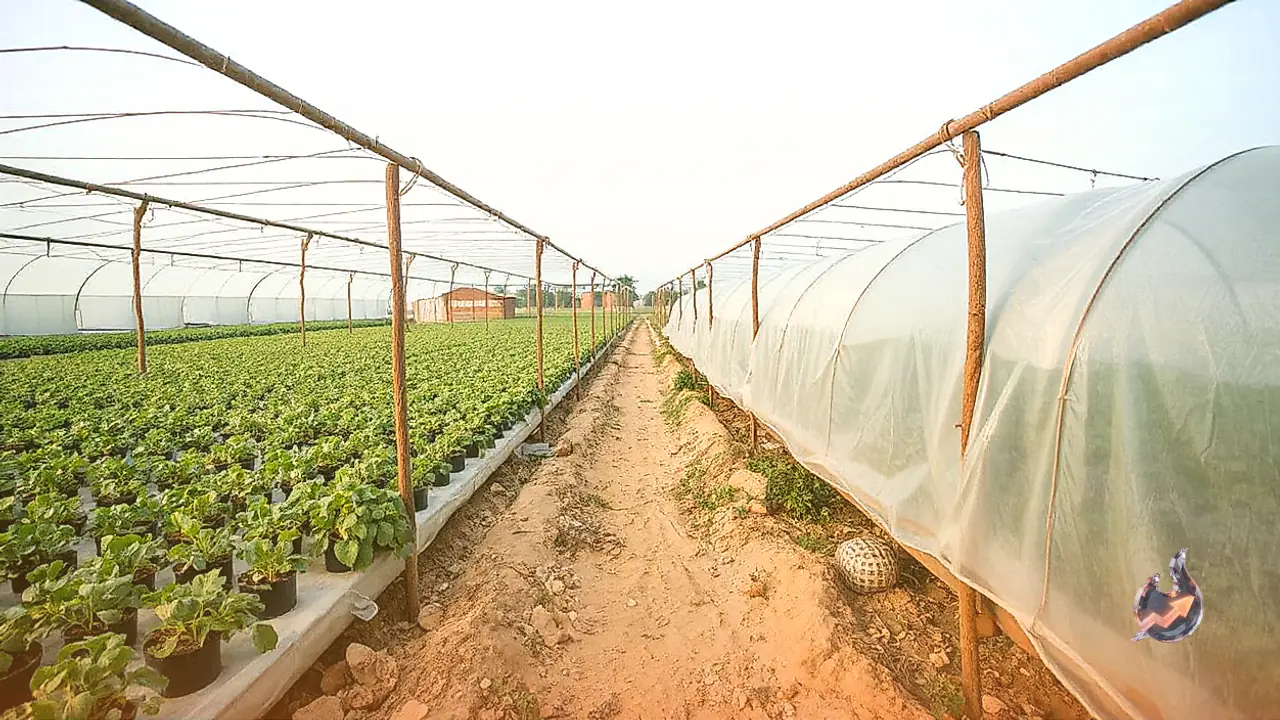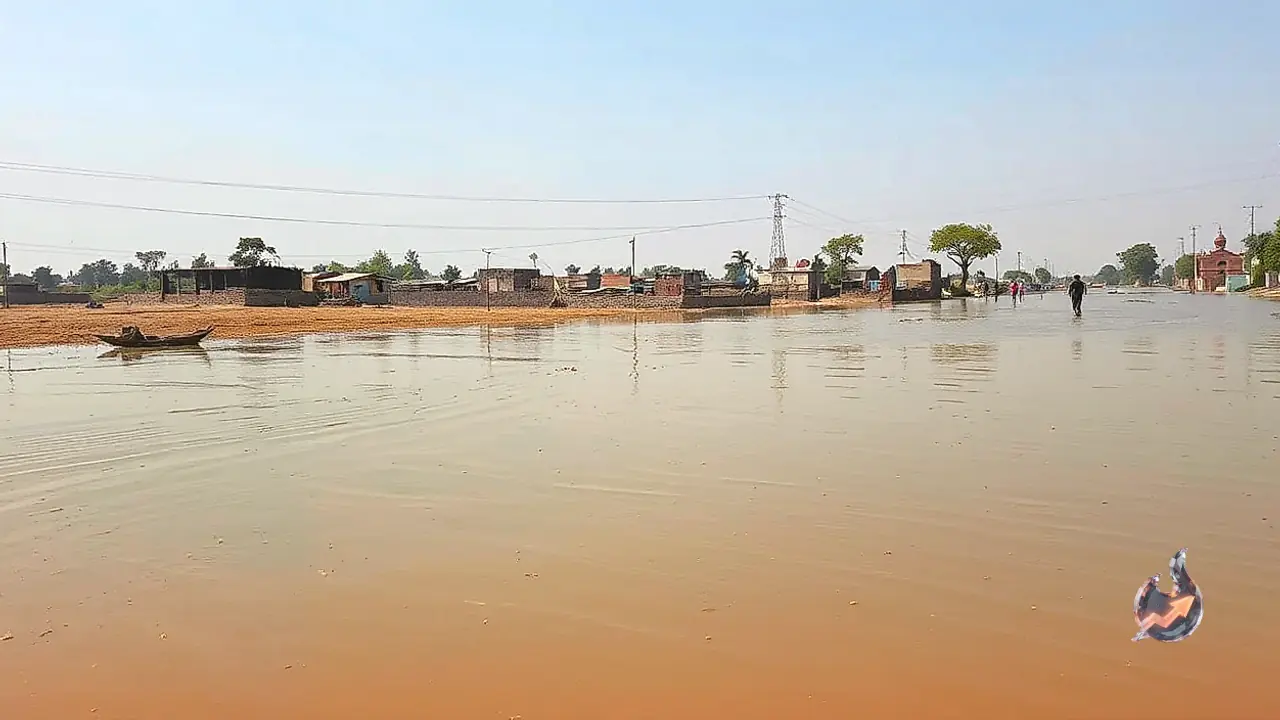




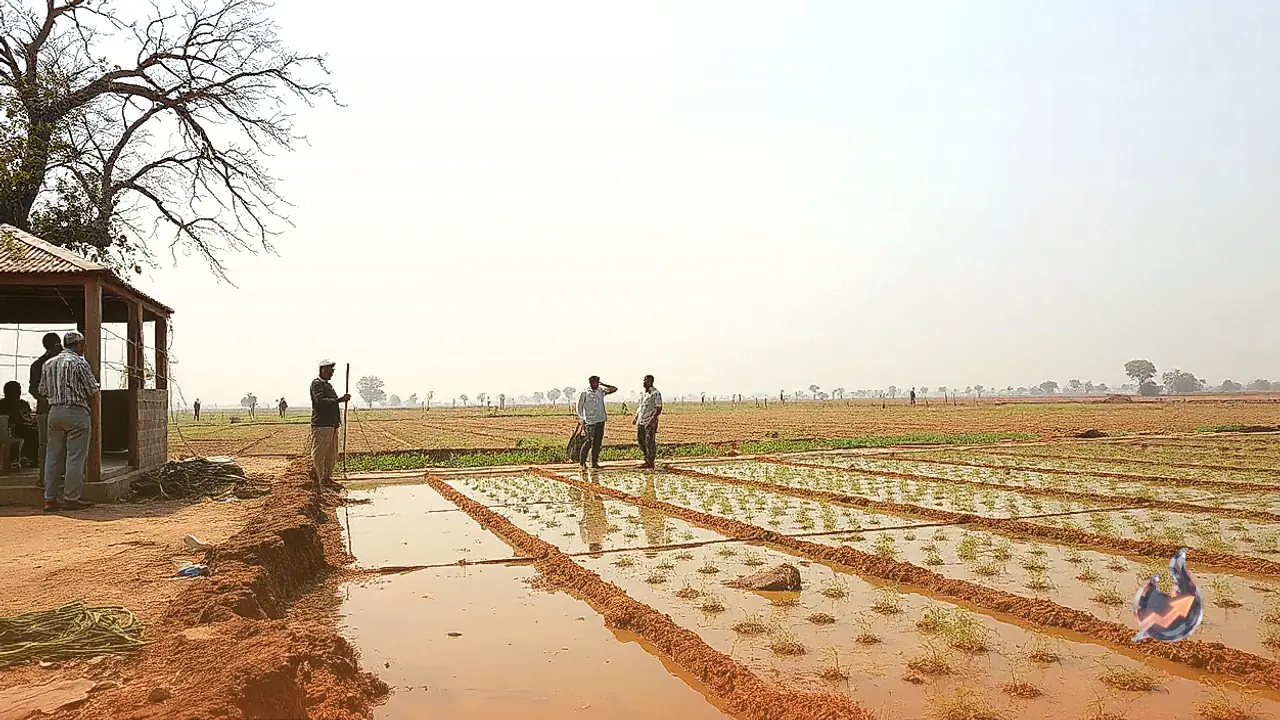


















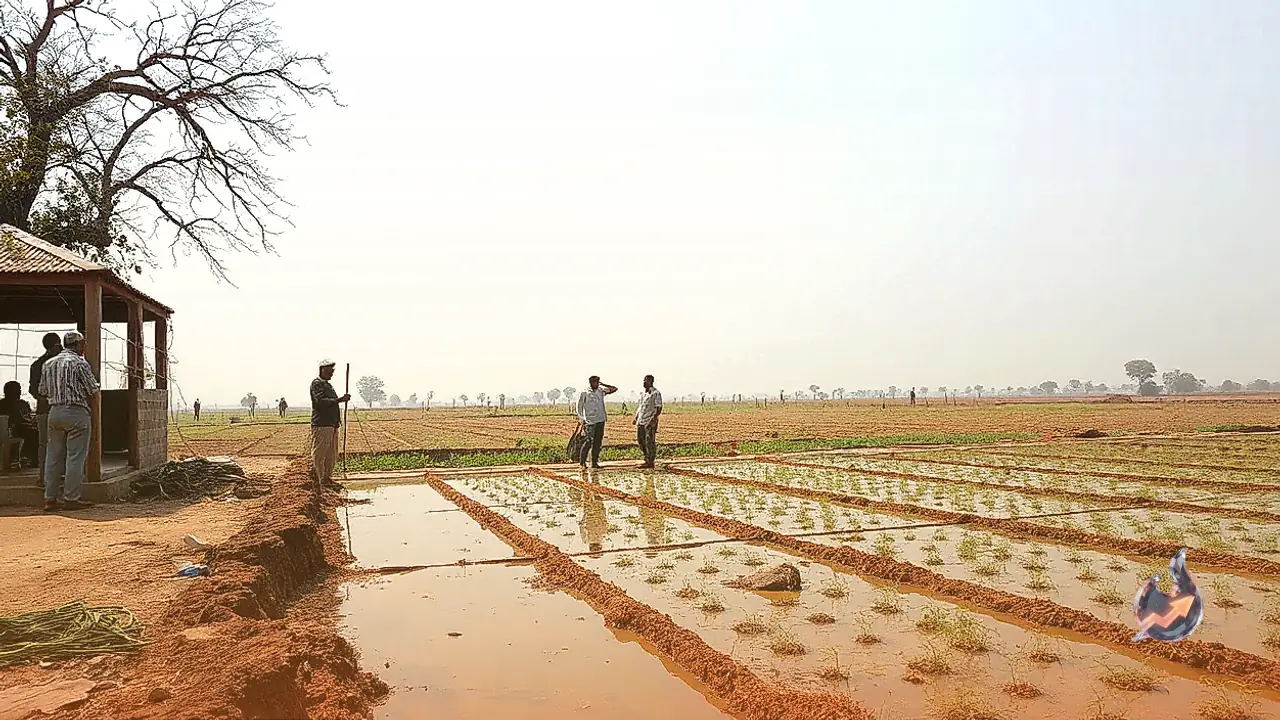

A continuously dropping water table has emerged as a major hurdle for agricultural communities across various regions, threatening crop yields and farm stability. The northern parts of Khirod town in Jhunjhunu are no exception, having witnessed a significant depletion in groundwater levels over the past four to five years. The pressure from local tube wells has dropped so drastically that farmers could previously operate only three or four nozzles at a time, making adequate crop irrigation a persistent struggle. Determined to overcome this pressing challenge, Madanlal Gurjar, a resident of Gurjaro ki Dhani near revenue village Kamri ki Dhani, decided to take matters into his own hands. Through sheer resourcefulness, Madanlal devised an innovative method to conserve water and solve his irrigation troubles, turning his experiment into a source of inspiration for farmers in the surrounding areas.
Constructing the Farm Pond Infrastructure
To tackle the acute shortage of water, Madanlal opted to create a large water storage reservoir directly on his farmland. He commissioned the excavation of a pit measuring ninety feet in length, seventy-five feet in width, and fourteen feet in depth. After digging the massive structure, he lined the interior with heavy-duty plastic tarpaulins to form a durable farm pond, installing a water pump right beside it for smooth operations. The entire setup required an investment of approximately two and a half lakh rupees. Under this method, he runs his tube well continuously for four to five days to fill the pond. Once the reservoir is full, he uses the motor to draw the stored water and irrigate his fields efficiently using a sprinkler system.
Operating Twenty Nozzles Simultaneously
Direct irrigation via low-pressure tube wells previously restricted Madanlal to just a handful of working nozzles, resulting in uneven watering and immense delays. However, pumping water from the newly built storage pond allows twenty nozzles to function smoothly and simultaneously without any pressure drops. According to Madanlal, once the pond is filled to capacity, running twenty nozzles for six hours a day can sustain agricultural irrigation for roughly forty-five days. This method maximizes the utility of low-yield bore wells and ensures that crops receive systematic and reliable hydration throughout the season.
Rainwater Harvesting and Government Support
Rather than relying solely on underground water reserves, Madanlal also established a robust system to capture rainwater. He connected pipelines from the roof, courtyard, and tin shed of his house to channel every drop of rainwater directly into the farm pond. He believes that adopting water conservation habits is essential for agricultural survival during times of diminishing rainfall and falling water tables. Agricultural authorities note that farm ponds serve as highly viable water storage solutions in arid or water-stressed zones. To encourage this practice, government assistance is provided for pond construction, offering financial aid of up to 1.35 lakh rupees for small farmers and 1.20 lakh rupees for larger landowners. Madanlal's endeavor demonstrates that proper water management can keep farming thriving even under constrained natural conditions.