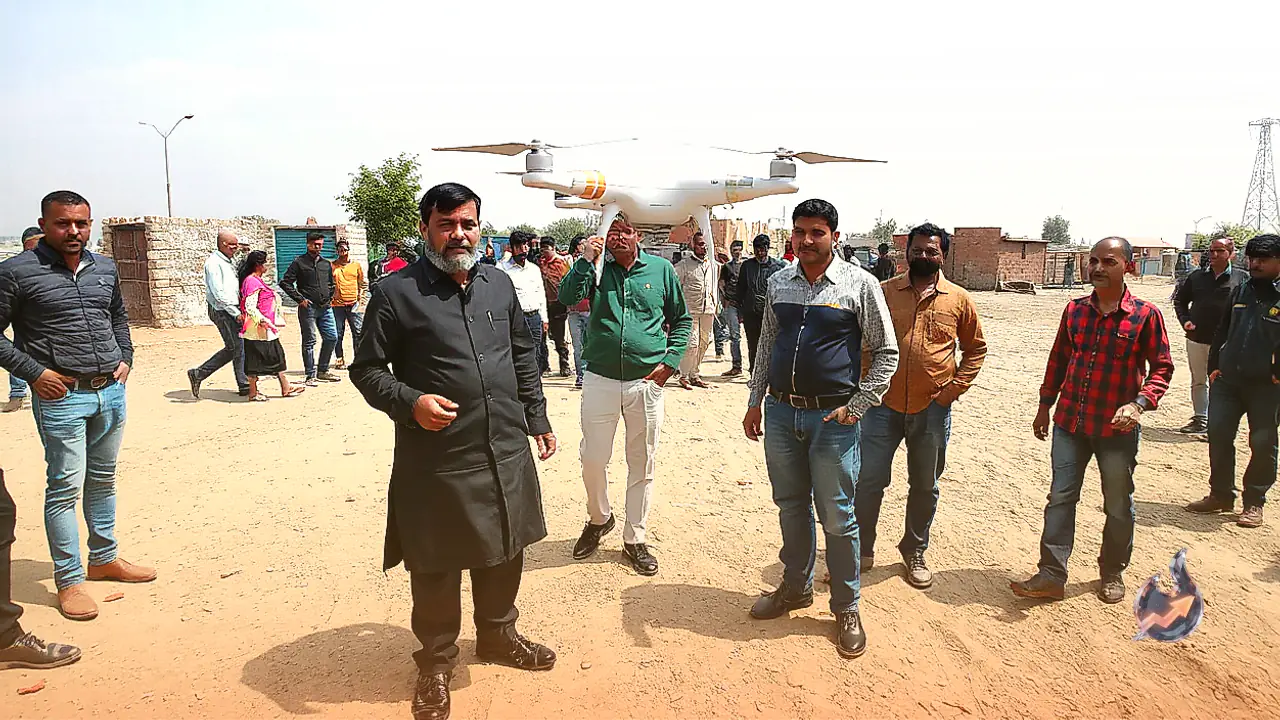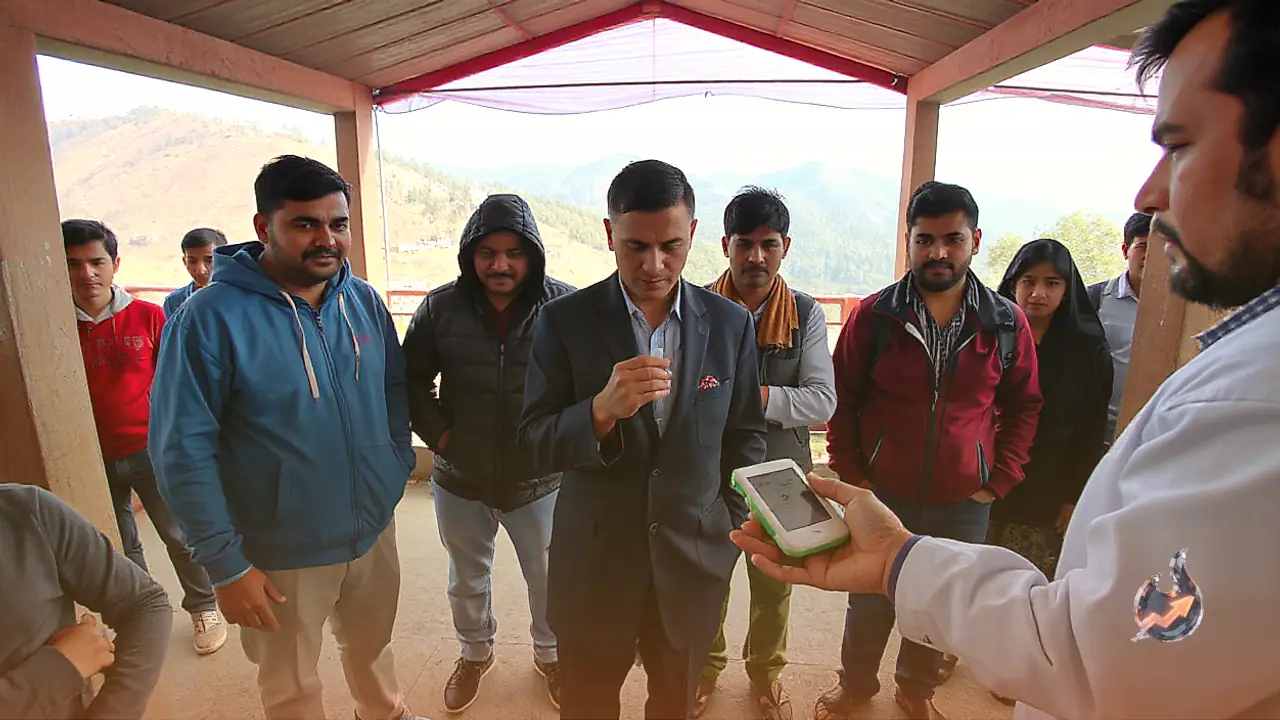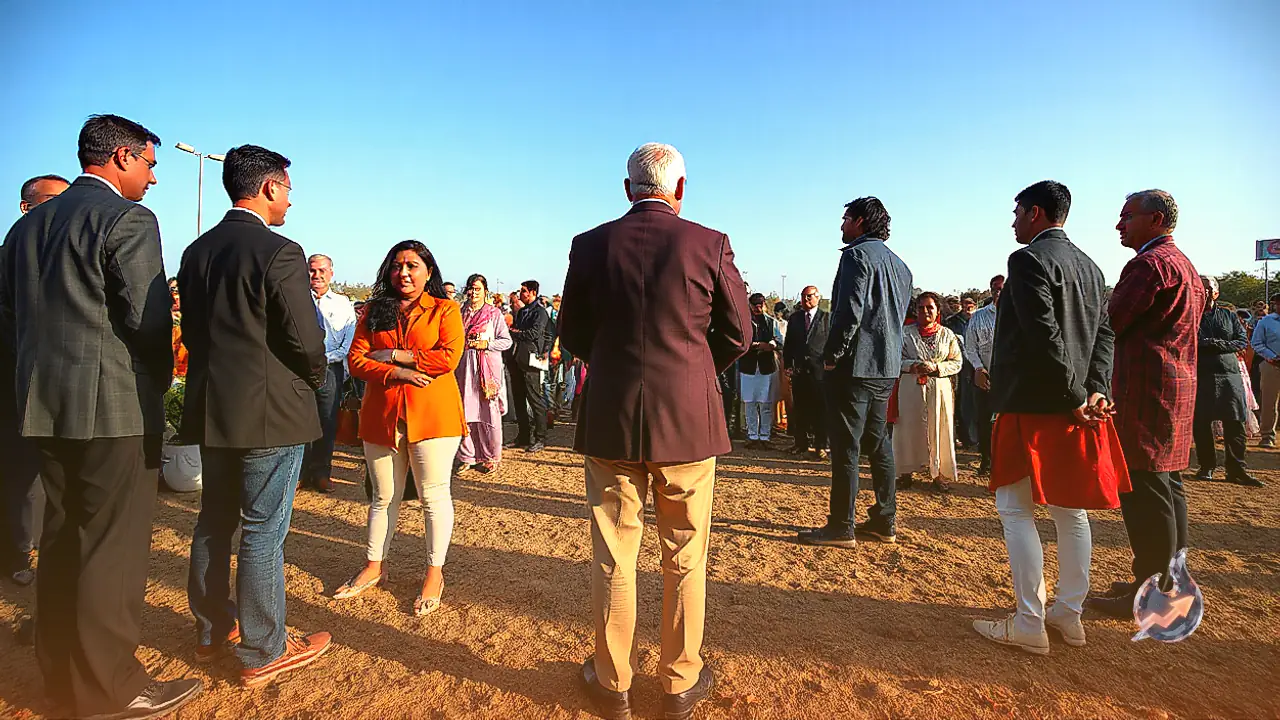
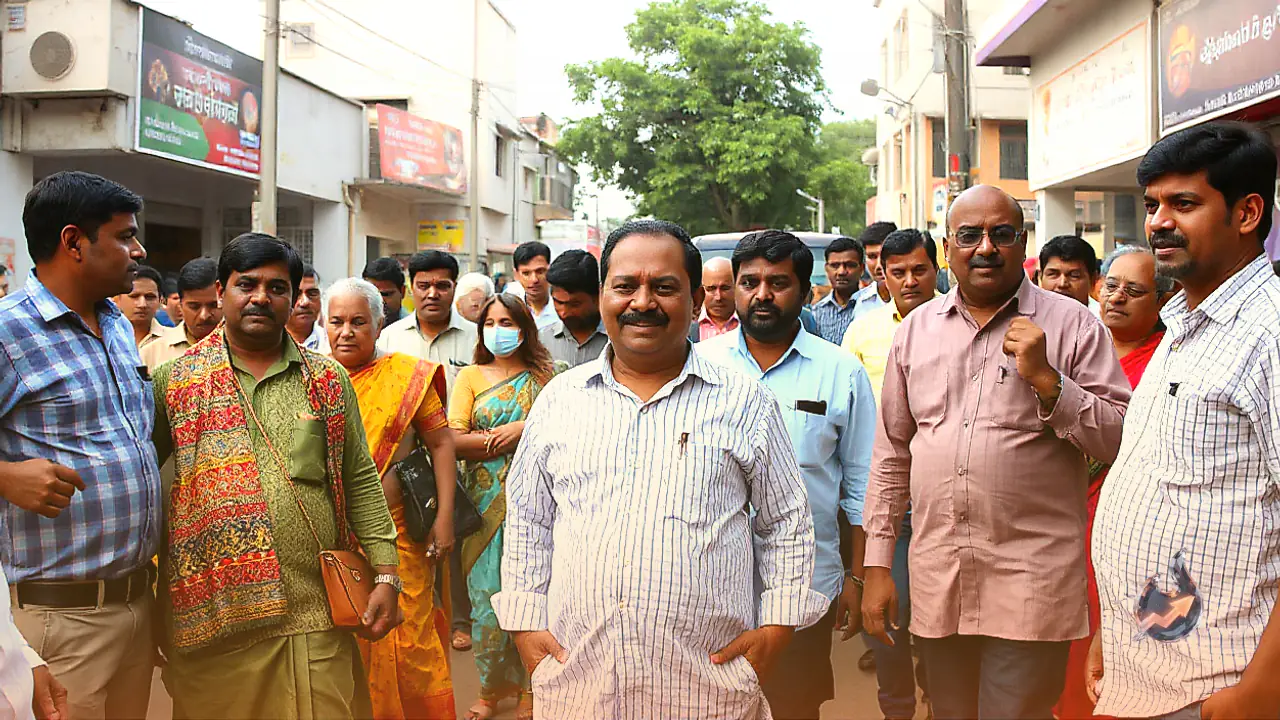
















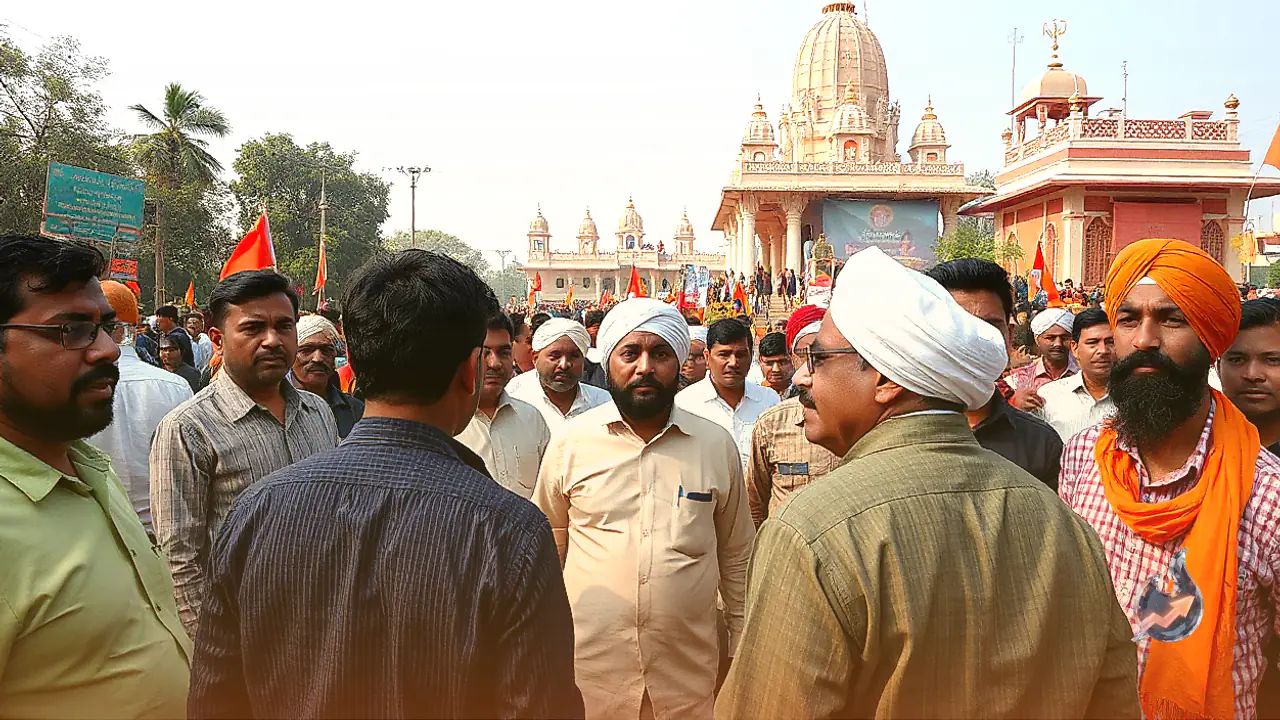

Addressing a political gathering and foot march organized in Shimla, Assam Chief Minister Himanta Biswa Sarma launched a multi-front offensive against Congress leader Rahul Gandhi and the party leadership. The rally, arranged as a regional counterweight to the opposition gathering in New Delhi, touched upon key themes including historical atrocities, cultural reverence, institutional credibility, and regional governance failures. Throughout his address, the senior leader demanded public accountability for past communal violence while sharply questioning the opposition stance on constitutional processes and national voter integrity.
Demanding Accountability for the 1984 Anti-Sikh Violence
Sarma opened a major segment of his address by focusing on the tragic events of November 1984. He remarked that the arrival of November serves as an unavoidable reminder of the horrific violence inflicted upon innocent citizens across the country. Following the assassination of former Prime Minister Indira Gandhi, approximately 3,000 Sikhs were systematically targeted and killed in Delhi alone. Sarma stated that the ruling party hierarchy of that period played an active role in enabling the bloodshed.
Directing his challenge at Rahul Gandhi, the Assam Chief Minister insisted that an unconditional apology is owed to the nation and the Sikh community. Pointing out the planned presence of the opposition leader at Ramlila Maidan in Delhi on November 1, Sarma urged him to demonstrate moral courage by confronting his party's dark history rather than evading past culpability while attempting to lecture on contemporary ethics.
Scrutiny Over Cultural Sentiment and Temple Visits
Turning toward cultural and religious sensitivities, Sarma questioned the opposition approach toward the broader Hindu population. He pointed out that while Rahul Gandhi routinely seeks the electoral backing of Hindu voters, he has consistently avoided visiting the newly consecrated Ram temple in Ayodhya. Making a direct historical reference to Babur, Sarma contended that the opposition strategy revolves around selective appeasement while treating mainstream spiritual landmarks with apparent coldness.
According to Sarma, such contradictions reveal deep insincerity in political posturing. He argued that genuine leadership does not distance itself from civilizational heritage while simultaneously demanding the political trust of the very community whose cultural milestones it seems reluctant to acknowledge.
The Dispute Surrounding Electoral Roll Verification
The Assam Chief Minister directed detailed criticism toward the opposition resistance to the Special Intensive Revision (SIR) of voter lists. He argued that routine administrative audits designed to purge duplicate entries, deceased persons, and fraudulent addresses are standard safeguards for clean elections. Sarma questioned why any democratic organization would object to weeding out errors from official electoral registers unless it harbored narrow factional motives.
He went on to claim that the resistance against the voter list audit is aimed at safeguarding unauthorized immigrants who have managed to secure questionable documentation. Sarma stated that shielding illegal infiltrators for narrow partisan calculations poses a direct hazard to regional security and distorts genuine democratic representation.
Double Standards on EVMs and the Election Commission
Addressing persistent complaints regarding voting mechanisms, Sarma scrutinized the recurring habit of questioning Electronic Voting Machines (EVMs) and the Election Commission whenever poll outcomes prove unfavorable. He challenged the logical consistency of such claims by pointing to states where non-BJP administrations were successfully formed, citing Himachal Pradesh, Karnataka, Telangana, and Tamil Nadu.
He criticized attempts by opposition groups to seek the removal of Chief Election Commissioner Gyanesh Kumar, remarking that celebrating poll systems during victories while delegitimizing them after electoral defeats erodes public trust in constitutional institutions. Sarma argued that political formations experiencing electoral rejection should re-evaluate their ground strategies rather than casting unverified doubts on the machinery of democracy.
Regional Security and Leadership Stability
Drawing attention to broader regional developments, Sarma referenced turmoil in neighboring countries and warned against efforts to reproduce similar volatility inside India. He alleged that certain political elements seem interested in generating an atmosphere of friction comparable to the situations observed in Nepal and Bangladesh, adding that such destabilizing agendas will not be permitted to succeed.
Highlighting the leadership of Prime Minister Narendra Modi, Sarma asserted that governance under the current national administration remains anchored in stability, development, and strong public support. He emphasized that voters must ultimately choose between institutional continuity and deliberate political turmoil aimed at disrupting economic expansion.
Contrasting Employment Deliverables Under Sukhu Governance
Shifting focus toward Himachal Pradesh's domestic issues, Sarma directly questioned the track record of Chief Minister Sukhvinder Singh Sukhu. He offered a statistical comparison with his own administration in Assam, noting that while his government pledged 1,00,000 public sector recruitments, it actually delivered jobs to 1,07,000 individuals.
In contrast, Sarma noted that the Congress party came to power in Himachal Pradesh on the back of grand commitments, including 5,00,000 employment opportunities for local youth, which remain largely unfulfilled. He also criticized campaign promises made by Priyanka Gandhi, asserting that unrealistic pledges quickly unravel when faced with actual administrative responsibilities. He concluded by calling on the people of Himachal Pradesh to evaluate governance based on tangible performance rather than unkept electoral promises.