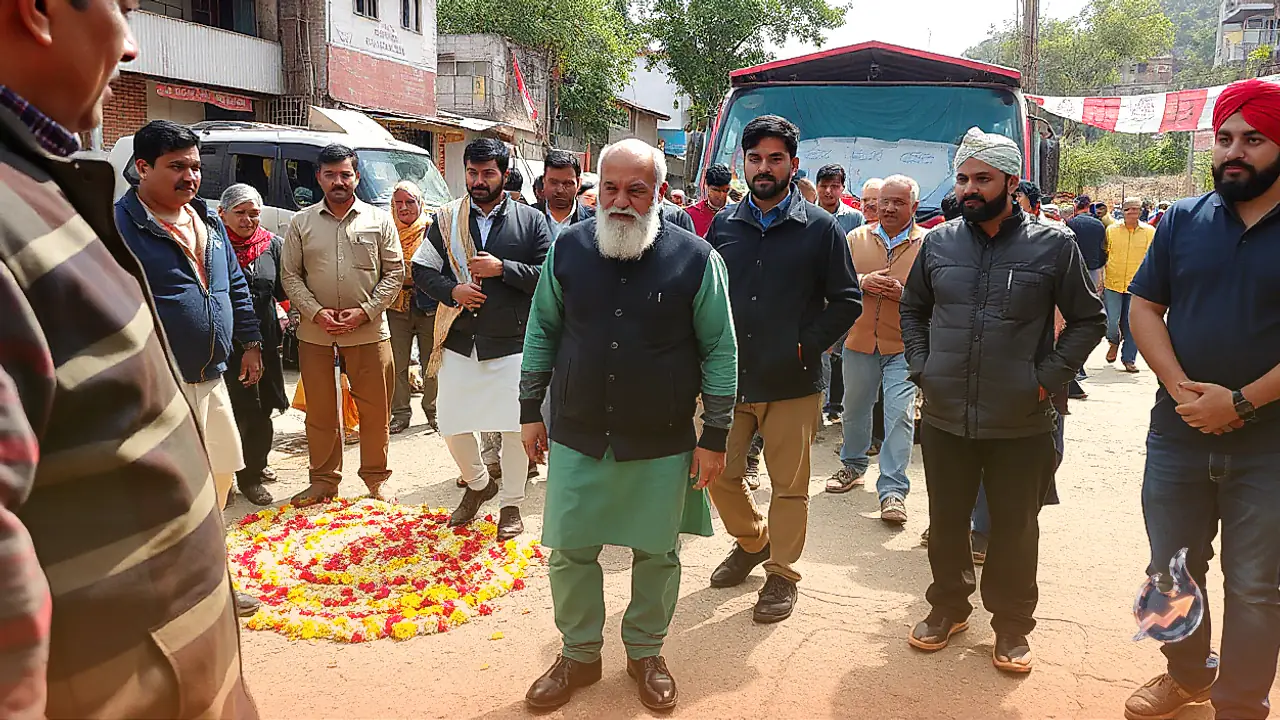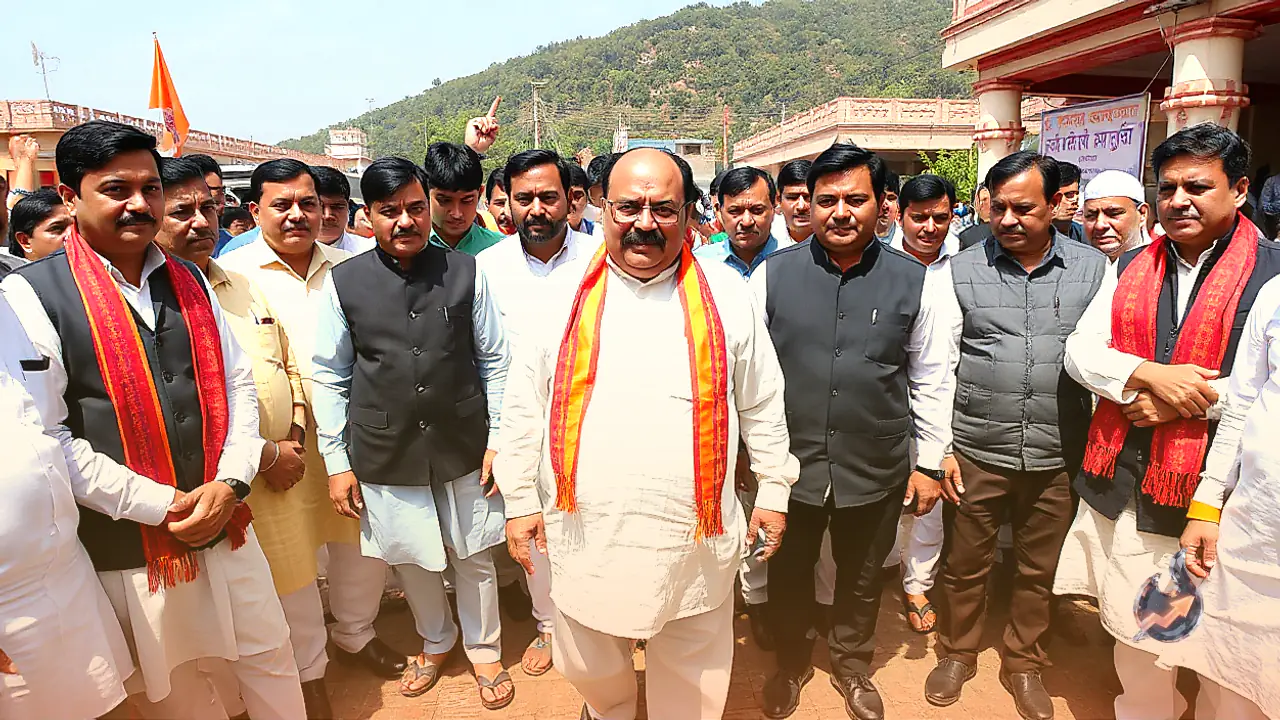




















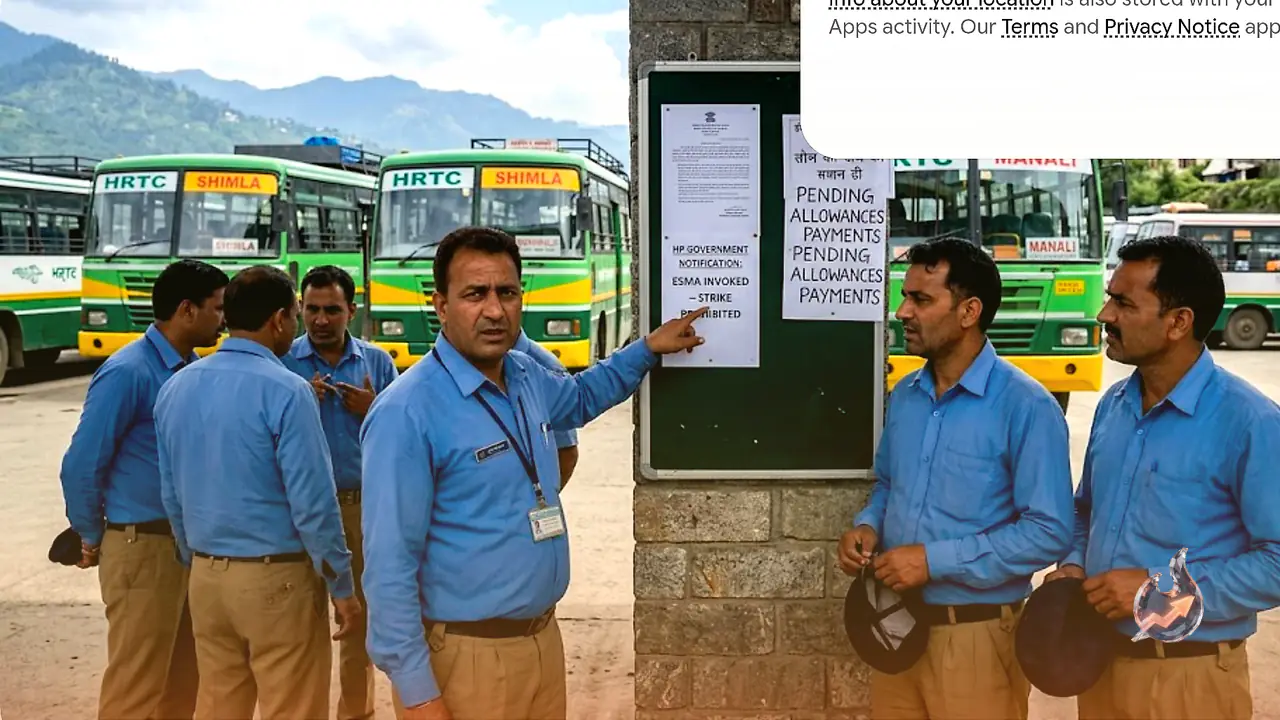

Employees of the Himachal Road Transport Corporation (HRTC) are set to go on a statewide strike to press for their demands. After a meeting between the HRTC union and the government in Shimla ended without any resolution, the wheels of HRTC buses across the state are expected to come to a halt starting from midnight on June 24. Addressing the situation, the Sukhu government has announced the implementation of the Essential Services Maintenance Act (ESMA). With these orders, employees are now barred from striking for a period of six months.
Reasons Behind the Strike
The HRTC union has been demanding the release of 100 crore rupees in pending allowances. They had set a deadline of June 24 for the government to meet these demands, threatening to strike on June 25 if the payments were not processed. HRTC Union President Man Singh confirmed that they intend to proceed with the strike starting on the night of June 24. He has further urged the public to avoid booking bus tickets and not to wait for buses as services will be severely disrupted.
Meeting Disputes and Administrative Tensions
A planned meeting between the HRTC union, Deputy CM, and Transport Minister Mukesh Agnihotri in Shimla was canceled. Man Singh alleged that during discussions, the Additional Chief Secretary of the Transport Department used inappropriate language, telling the union members that this was not an 'Iran war.' Furthermore, Man Singh noted that his own transfer from the Dhalli unit in Shimla to Chamba has fueled the unrest, and the union is now demanding that this transfer be revoked.
Impact on Public and Employee Sentiment
According to Man Singh, the employees had previously postponed the strike due to the NEET examination to avoid causing inconvenience to students. However, the workers are now highly agitated, making it difficult to stop the protests. The union claims that all 12,000 employees of the corporation are united in their demand for the pending allowances. Despite the government's invocation of ESMA, the standoff between the administration and the workforce remains unresolved.