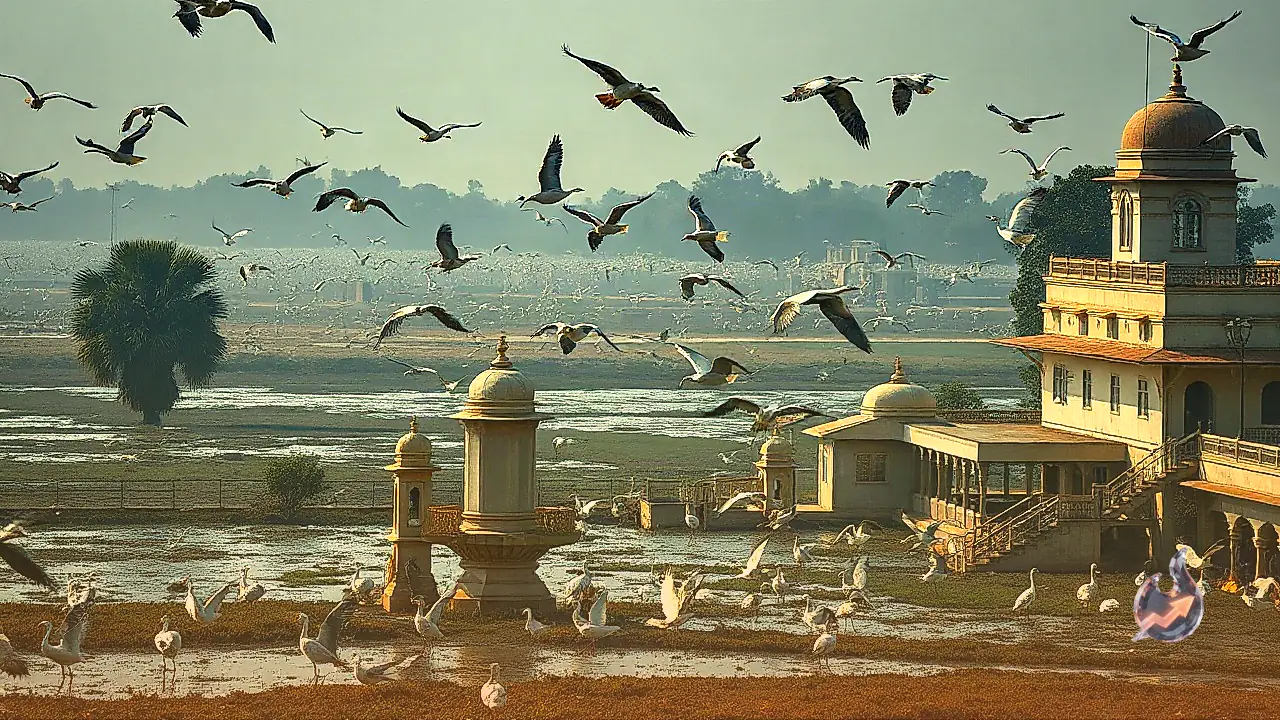
























Located in the Sikar district of Rajasthan, the Rawasa Wetland is far more than a sanctuary for migratory birds and local wildlife. It serves as a vital ecological and economic backbone for the surrounding rural communities. While wetlands are globally recognized primarily for biodiversity conservation, Rawasa plays a direct role in sustaining the livelihoods of local farmers and livestock keepers. The accumulated water body and its surrounding ecosystem provide essential environmental services that keep agriculture and pastoralism thriving across the region.
Groundwater Recharge and Natural Soil Moisture
The prolonged retention of water in the Rawasa Wetland facilitates a continuous percolation process into the underlying aquifers. This natural infiltration helps maintain balanced groundwater levels across adjacent agricultural lands. During the rainy season, the wetland acts as a massive natural reservoir, collecting surface runoff and holding it in place. The retained water enhances moisture levels in neighboring soil, benefiting standing crops and significantly reducing farmers reliance on tubewells and artificial irrigation systems.
Biological Pest Control Powered by Local Birds
The diverse avian population residing in and visiting the Rawasa Wetland contributes significantly to the local agricultural ecosystem. Numerous bird species and small creatures inhabiting the wetland venture into neighboring fields to feed on crop-damaging insects and pests. This natural predation keeps pest populations in check without human intervention. By maintaining this biological equilibrium, farmers can avoid expensive chemical pesticide treatments, thereby cutting cultivation expenses and promoting sustainable, eco-friendly farming practices.
Natural Fodder Reserve for Regional Pastoralists
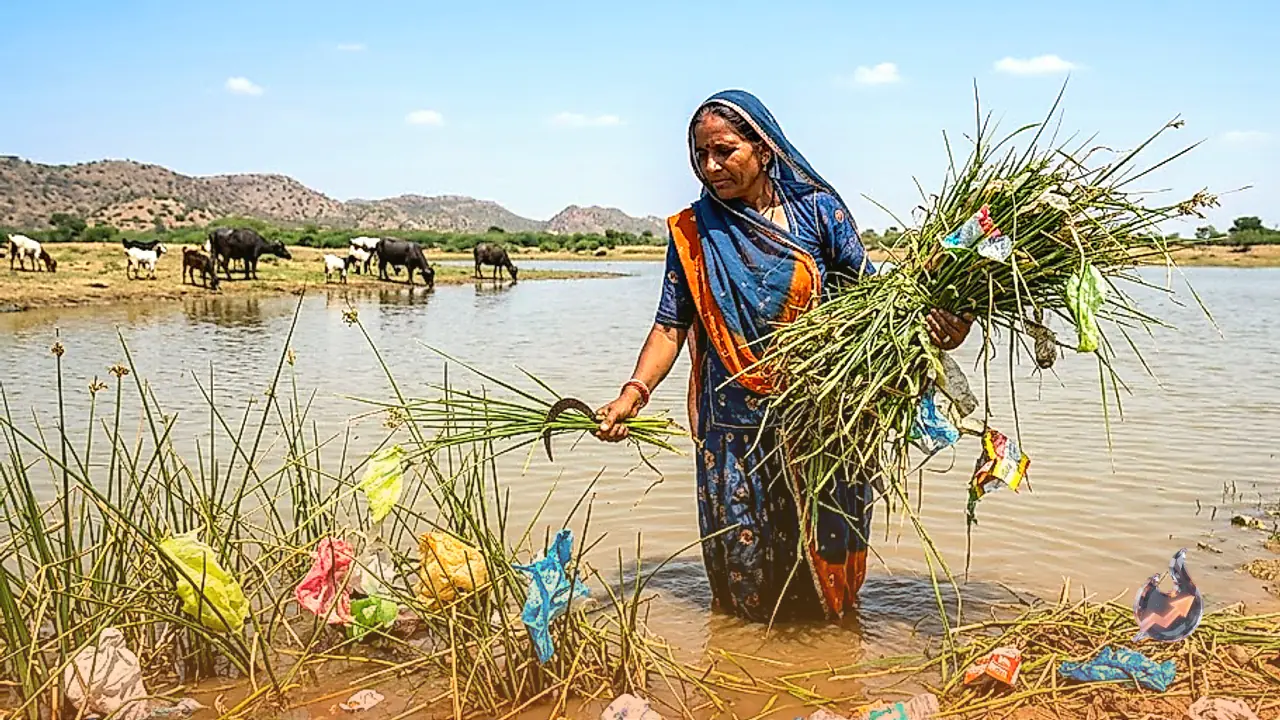
The lush grasslands and native vegetation flourishing around the Rawasa Wetland offer vital grazing grounds for regional cattle rearers. Natural forage available in this ecosystem serves as a dependable source of animal feed. With commercial fodder prices rising continuously, the cost of livestock maintenance has increased sharply for rural families. The free availability of natural pasture land near the wetland provides crucial financial relief. Protecting the wetland ensures that this vegetative cycle remains uninterrupted for future pastoral needs.
Growing Threat of Plastic Pollution and Ecosystem Damage
Increasing accumulation of plastic waste and unmanaged garbage poses a severe threat to the fragile ecosystem of the Rawasa Wetland. The buildup of non-biodegradable waste degrades water quality, which in turn contaminates underlying groundwater reserves and agricultural soil. Polluted water adversely impacts the health of livestock, resident birds, and visiting wildlife. The core significance of Rawasa lies in the deep interdependence between its natural biodiversity and rural livelihoods. Water storage, aquifer recharge, natural pest suppression, and livestock fodder are inextricably linked benefits. Preserving this wetland is therefore just as vital for local farmers and pastoral communities as it is for ecological conservation.