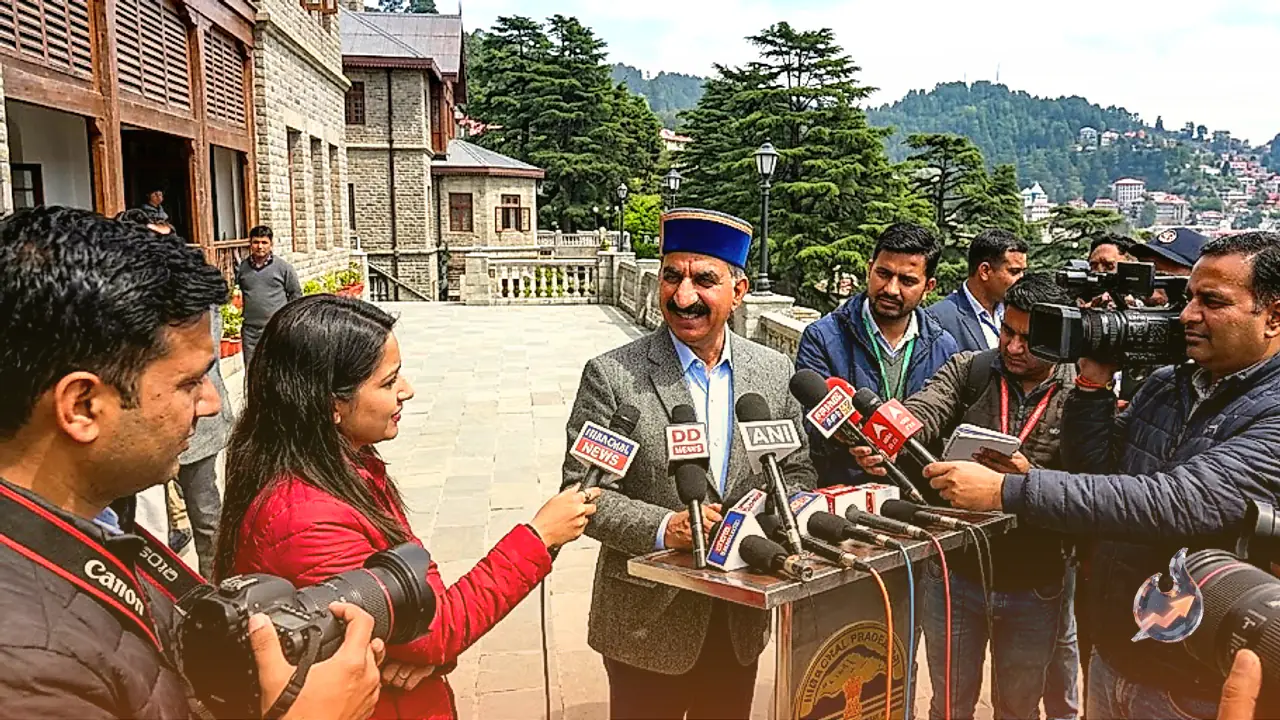
























A public awareness workshop held on Snakebite Awareness Day in Kangra, Himachal Pradesh, highlighted essential safety guidelines, field precautions, and clinical responses needed to manage snakebite encounters effectively. The event drew participation from representatives of diverse civil society groups, including local Panchayati Raj institutions, Rotary and Rotaract clubs, non-governmental organisations, Mahila Mandals, Jagori, and the Chinmaya organisation. Health authorities observed that snakebite cases surface steadily across the state, witnessing a marked surge during the monsoon season.
Crucial Dos and Don'ts for Immediate Care
Addressing the gathering, Kangra Chief Medical Officer Dr. Umesh Bharti emphasised that families must never waste critical moments pursuing faith healing, occult practices, or unverified home treatments when someone is bitten. Timely professional medical intervention remains the only proven path to saving lives. When a bite occurs, the affected individual must be kept calm rather than alarmed, as panic accelerates cardiac activity and venom dispersal throughout the circulatory system. Rescuers should strictly avoid making surgical incisions around the bite site or attempting to suction out venom manually. The victim should be moved directly and swiftly to a hospital setting.
Prevalent Venomous Species in Kangra
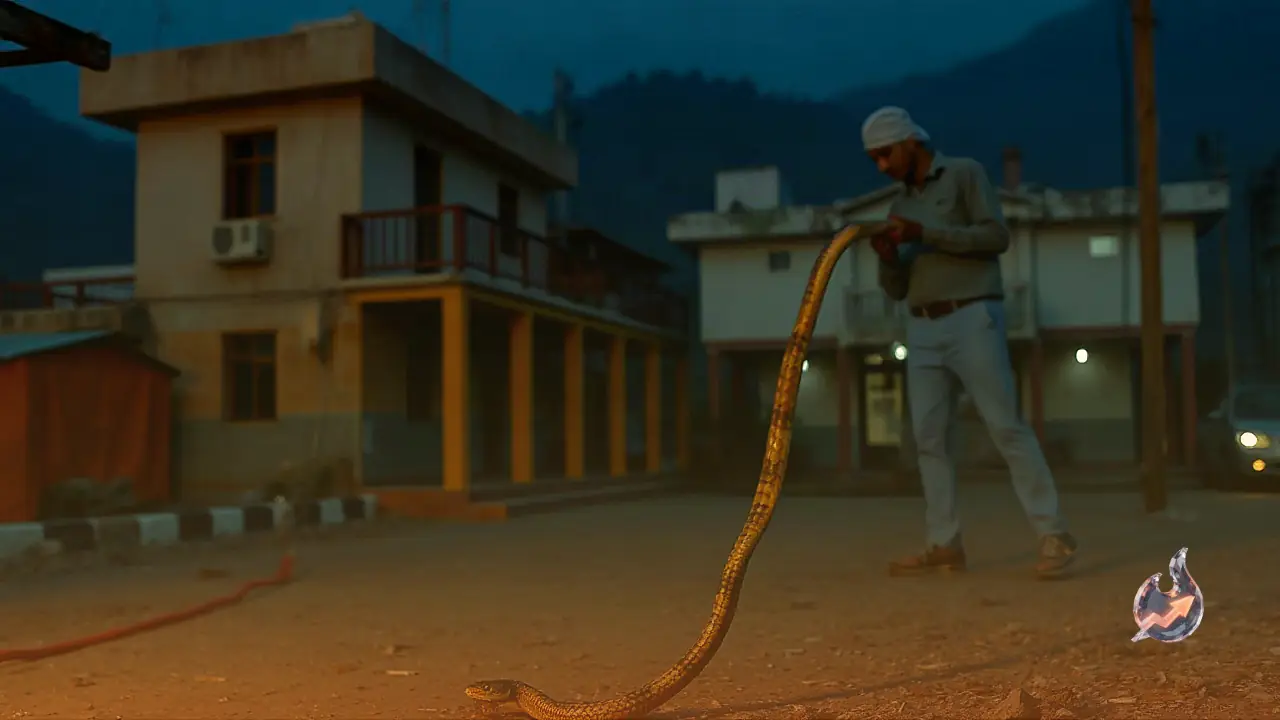
Medical experts identified the Common Krait and Russell's Viper as the primary venomous snakes active across Kangra, with Cobras representing another severe hazard. In higher altitude belts, encounters involving the Himalayan Pit Viper are also documented. Envenomation from Russell's Viper leads to severe haemorrhagic complications and widespread physiological trauma. In contrast, bites from the Common Krait are notoriously deceptive, frequently presenting without obvious puncture marks, local swelling, or sharp pain.
The Common Krait readily enters rural residences, finding its way into bedding and livestock sheds while individuals are asleep. Anyone waking up with symptoms of abdominal pain, nausea, or vomiting alongside a suspected nocturnal encounter must treat the scenario with acute urgency. Krait venom targets the central nervous system and paralyse the respiratory musculature, creating life-threatening emergencies very rapidly. People should not squander precious time trying to capture the reptile or ascertain whether it carries venom; deciding the appropriate clinical protocol must be entrusted entirely to qualified medical doctors.
Household Hygiene and Outdoor Vigilance
Preventative steps around residences play a foundational role in reducing human-reptile encounters. Maintaining clean surroundings eliminates attractive habitats, and active rodent control is vital because rats represent a primary food source for serpents. Residents should refrain from leaving heaps of discarded firewood, uncleared bushes, or domestic scrap near living areas. When clearing or cutting tall grasses, individuals must thoroughly probe the vegetation with a sturdy wooden stick beforehand to flush out any hidden creatures.
Expanding Antivenom Access to Primary Centres
Dr. Bharti confirmed that earlier shortages surrounding anti-snake venom supplies have been resolved. The essential therapeutic agent has now been distributed down to primary health centres across the district to ensure prompt treatment at the grassroots level. Furthermore, the health department is actively working to place anti-snake venom aboard 108 emergency ambulance fleets, allowing medical personnel to initiate critical stabilisation before patients even reach hospital gates.