























Royal Bengal tiger pair arrives at Himachal zoo after 1800 km journey from NagpurHimachal Pradesh
21 Sept 2026, 8:45 am (1 hour ago)· 1

Royal Bengal tiger pair arrives at Himachal zoo after 1800 km journey from Nagpur

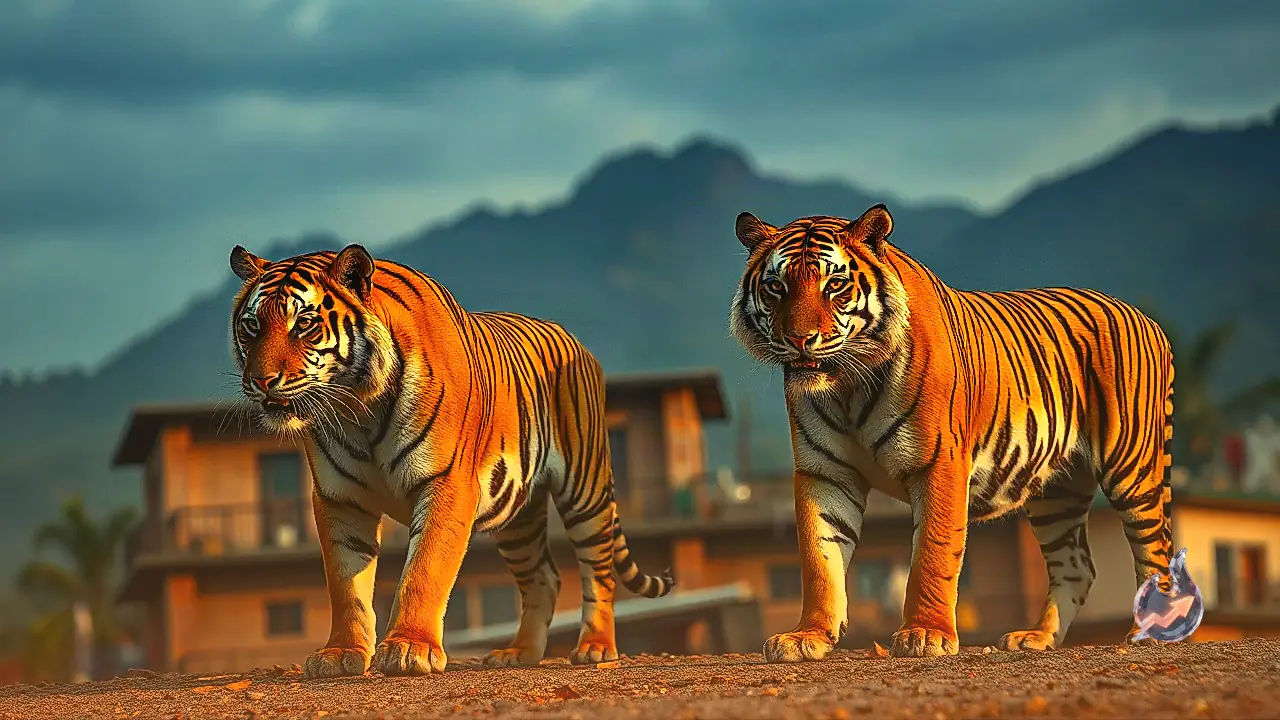
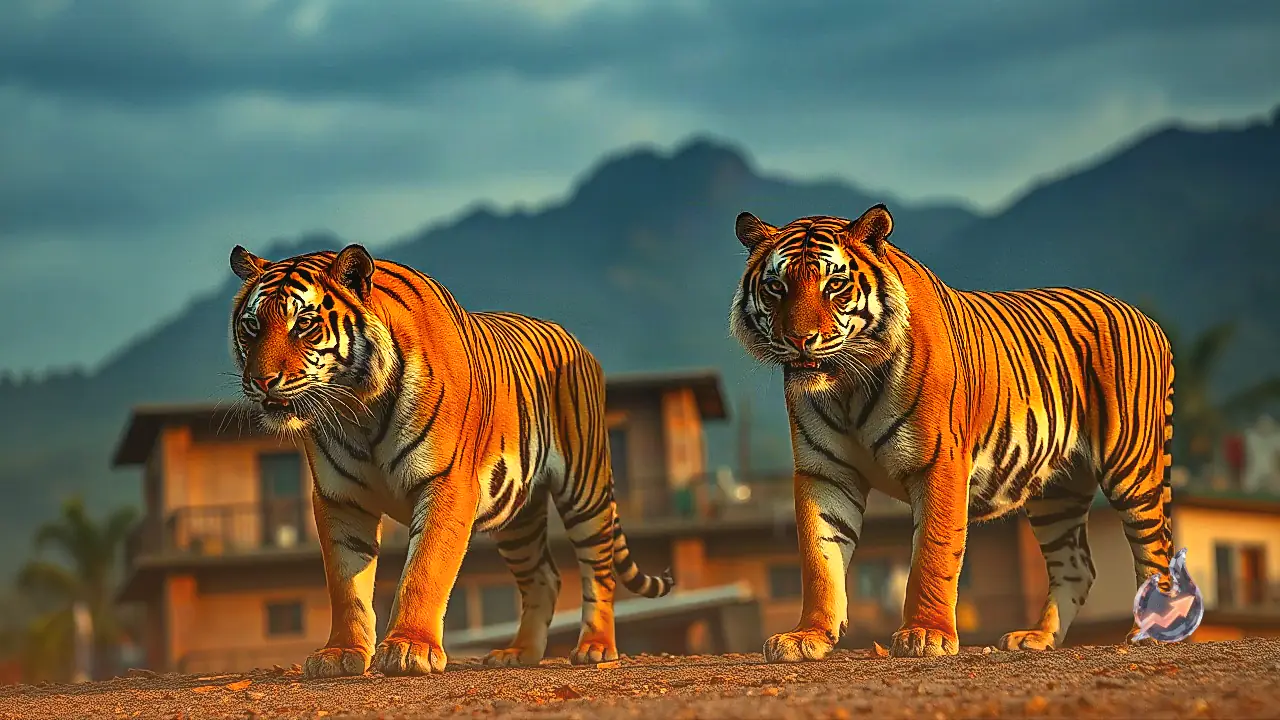
Ending a decade-long wait, a male and female pair of Royal Bengal tigers reached the Shri Renuka Ji Zoo in Himachal Pradesh after completing a 43-hour road journey from Nagpur.

Visitors to the Shri Renuka Ji Zoo in the Sirmaur district of Himachal Pradesh will soon witness the presence of big cats once again, concluding a wait of nearly ten years. A pair of Royal Bengal tigers, comprising one male and one female, was transported under tight security from the Balasaheb Thackeray Gorewada International Zoological Park in Nagpur, Maharashtra. The animals arrived at the zoo premises on Sunday evening after undertaking an arduous overland journey of approximately 1800 kilometres. Throughout the 43-hour road transit, a dedicated team from the wildlife wing accompanied the convoy continuously to supervise the health and security of both animals.

A landmark wildlife acquisition for the hill state

This arrival represents the first time that tigers have been introduced to any zoo within Himachal Pradesh. Conservator of Forests Wildlife Wing Dr Shahnawaz Ahmed noted that acquiring these apex predators was a flagship initiative for the state administration that has finally materialized. Bringing the animals involved clearing extensive statutory formalities set by the central government, with support from the Maharashtra government ensuring a seamless transfer. The forest department team ensured the safe passage of the big cats across multiple states until their safe arrival near the Renuka lake area.

Also read

Upgraded enclosure and dedicated veterinary facilities

To support the pair in their new environment, authorities invested 1.67 crore rupees to construct a specialized, modern enclosure equipped with appropriate amenities. Alongside the housing facilities, an advanced wildlife hospital has been established on site to provide timely medical care and health monitoring. Officials anticipate that the male and female tigers will settle well and eventually breed, thereby expanding the captive population over time. The development is also expected to significantly boost eco-tourism by drawing visitors from across the region to the facility.

Reviving an enclosure left vacant since 2015

The Shri Renuka Ji complex had lacked large feline predators ever since its original Asiatic lion population died out in 2015, leaving the lion safari empty for almost a decade. While regular requests were made to reintroduce lions, procurement challenges eventually led the administration to pursue tigers as an alternative. Wild populations of lions or tigers are not indigenous to Himachal Pradesh, though isolated camera trap recordings in the Sirmaur district have previously caught transient tigers wandering across the state border from neighboring Uttarakhand. The official introduction of this Bengal tiger pair marks a fresh phase for captive wildlife management in the state.


Questions & Answers

Which zoo has received the pair of Royal Bengal tigers?
The pair has been brought to the Shri Renuka Ji Zoo located in the Sirmaur district of Himachal Pradesh.
From where were the tigers sourced, and how far did they travel?
They were sourced from the Balasaheb Thackeray Gorewada International Zoological Park in Nagpur, Maharashtra, traveling roughly 1800 kilometers.
How long did the journey take from Nagpur to Himachal Pradesh?
The road journey took approximately 43 hours under continuous supervision by a specialized wildlife wing team.
What expenditure was incurred on housing and medical facilities for the tigers?
An amount of 1.67 crore rupees was spent on constructing an upgraded enclosure, alongside a new wildlife hospital on the grounds.
How long had the big cat enclosure at the zoo been empty?
The facility had been vacant since 2015 following the death of its remaining Asiatic lion population.
Are tigers or lions naturally found in Himachal Pradesh?
Lions and tigers are not native to Himachal Pradesh, though transient tigers from Uttarakhand have occasionally been recorded crossing into Sirmaur on camera traps.

Comments 5

Tanvi Desai@tanvi-desai·6m ago

This inter-state wildlife relocation strikes a vital balance between eco-tourism and animal conservation. The state-of-the-art enclosure and veterinary hospital built at the Renuka zoo will not only provide a secure, natural habitat for the pair, but also give a significant boost to Himachal Pradesh's tourism sector.

Ravikash Gupta@ravikash·28m ago

This inter-state animal translocation goes beyond merely restoring vitality to a zoo; it will serve as a robust economic catalyst for Himachal Pradesh's eco-tourism and hospitality sector. Backed by a capital expenditure of 1.67 crore rupees and modern veterinary infrastructure, the initiative is poised to drive regional tourism and attract long-term investment into wildlife conservation infrastructure.

Arjun Mehta@arjun-mehta·28m ago

This strategic move will reshape the financial and ecological balance of wildlife management in the hill state. The modern infrastructure and veterinary facility, developed with an investment of 1.67 crore rupees, will not only ensure the success of this rare interstate relocation but also create long-term economic opportunities for sustainable tourism and the hospitality sector in the Sirmaur region.

Karan Malhotra@karan-malhotra·50m ago

From the perspective of investigating crime and wildlife protection cases, monitoring security protocols and legal compliance during this 1800-kilometer, 43-hour interstate transport was critical. The coordination between two state forest departments and veterinary experts under central guidelines ensures that strict administrative and legal frameworks are being followed to curb wildlife trafficking or illegal trade.

Rohan Verma@rohan-verma·49m ago

This successful 1800-kilometre interstate transit establishes a robust benchmark for administrative coordination between two state forest departments. However, ensuring long-term successful adaptation and breeding for the newly arrived pair will critically depend on effectively regulating tourist footfall and maintaining stringent veterinary oversight at the facility.

Citizen journalism

Become a TrendKia journalist

Voice of the people

Share news, photos and videos from your area with TrendKia and let your voice reach the nation. Every citizen a journalist.

Join now
CH 01 LIVE
TrendKia TV ON AIR
Chamar no WhatsApp