






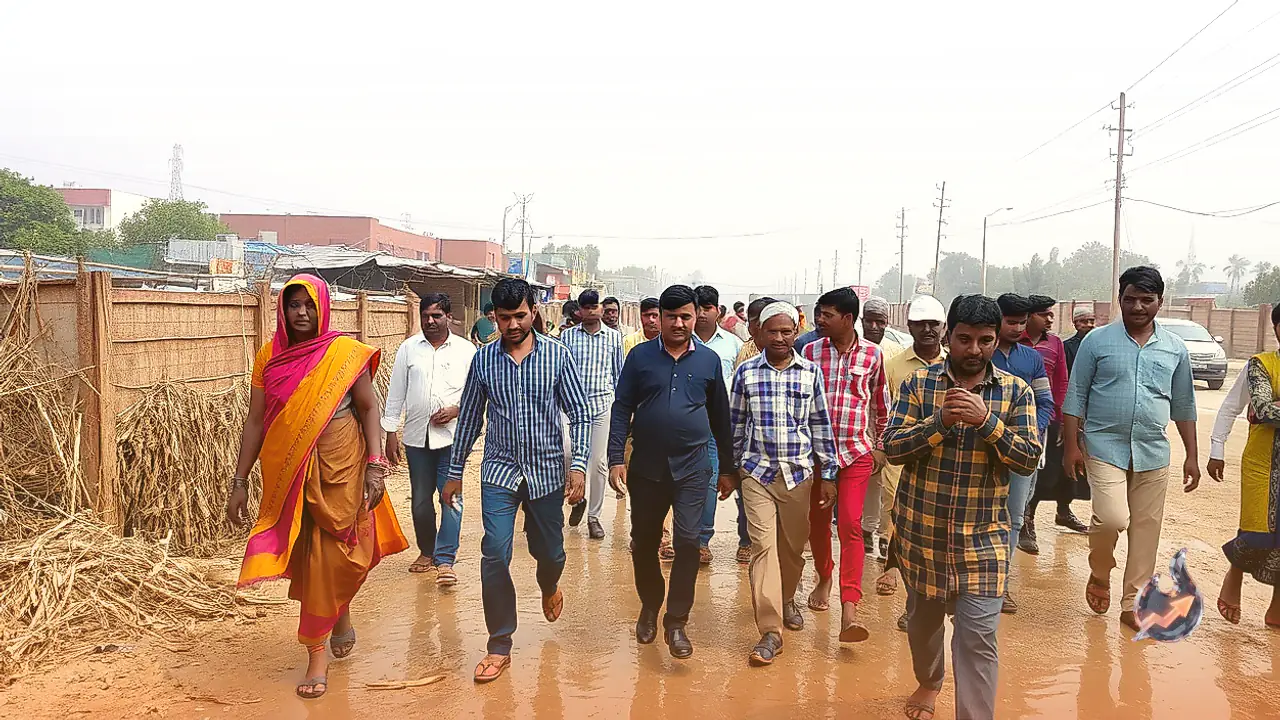
















A disturbing case of alleged medical exploitation has surfaced in Badlapur, Maharashtra, where the Enforcement Directorate launched search operations at multiple locations targeting an illicit human egg extraction network. Investigators suspect that more than 40 women were systematically lured and exploited by an organized nexus that traded in human reproductive cells. The scale of the operation became evident when questioning revealed that a single woman was allegedly made to undergo the invasive extraction process 33 separate times. In exchange for each cycle, she was offered sums ranging between ₹25,000 and ₹30,000, ultimately pocketing approximately ₹10 lakh from repeated donations. The findings have ignited critical concerns regarding the physical toll inflicted on vulnerable donors and blatant evasions of reproductive safety laws in the country.
How the Badlapur Operation Functioned on the Ground
Preliminary findings from the investigation outline a well-coordinated operation designed to recruit economically disadvantaged women through financial inducements. According to investigators, the racket established an informal base at a residential flat in Badlapur East. It was inside this residential setting that fertility-enhancing hormone injections were allegedly administered to the recruited women over several days to accelerate egg development. Once the hormone course was underway, the women were taken to local diagnostic centers for ultrasound sonography scans to monitor follicle growth. After medical scans confirmed that the ovaries had matured sufficient eggs, the women were transported to specialized medical facilities and fertility clinics where the surgical retrieval was carried out.
The scope of the active inquiry focuses on unmasking the entire logistical chain. Investigators are scrutinizing the role of field agents who identified prospective donors, the unqualified individuals who injected medical hormonal formulations inside private apartments, and the formal in-vitro fertilization clinics that performed the egg retrieval procedures. Harvesting human oocytes requires specialized medication, careful medical supervision, strict physical screening, and certified medical professionals. The investigation aims to determine whether any established protocols governing assisted reproductive technologies were observed, or whether the entire cycle was operated in direct defiance of safety statutes.
The Medical Procedure Behind Oocyte Donation
Egg donation is a recognized clinical practice wherein an eligible woman provides her reproductive cells, termed oocytes, to assist another person or couple struggling to conceive. The procedure serves as a viable option for intended mothers who face medical barriers such as premature ovarian failure, genetic disorders, or diminished ovarian reserve. The clinical pathway begins with ovarian stimulation. Under standard medical care, the donor receives targeted doses of fertility hormones that encourage both ovaries to produce and mature several eggs simultaneously within a single monthly cycle, rather than the single egg normally released during natural ovulation.
Throughout this stimulation phase, doctors monitor the patient's hormonal response through systematic transvaginal ultrasound imaging and routine blood evaluations. When the oocytes reach optimal size and maturity, a minor surgical retrieval is conducted under intravenous sedation or general anesthesia. Using transvaginal ultrasound as visual guidance, an operative physician inserts a thin aspiration needle through the vaginal wall directly into the ovarian follicles to retrieve the fluid containing the eggs. Once collected, embryologists fertilize the mature oocytes with sperm in a specialized laboratory using in-vitro fertilization techniques. The healthy embryos that develop are subsequently transferred into the uterus of the intended recipient. Donors typically encounter post-operative cramping and abdominal sensitivity, necessitating formal clinical observation to rule out latent complications.
Severe Health Consequences of Repeated Extractions
Although regulated egg donation under strict medical oversight carries relatively low risks of long-term trauma, repeated and uncontrolled procedures represent a severe health hazard. Administering heavy doses of hormonal stimulants forces the ovaries into unnatural states of hyperactivity. When a donor undergoes 33 retrieval cycles, the cumulative exposure to invasive needles, anesthetics, and potent hormones magnifies the baseline medical risks exponentially.
Among the primary physical complications is abdominal swelling and pain caused by enlarged, inflamed ovaries. Donors routinely report persistent nausea, migraine-strength headaches, and profound hormonal mood instability while receiving stimulation injections. A far more dangerous consequence is ovarian hyperstimulation syndrome, commonly known as OHSS. In severe occurrences of OHSS, the ovaries become dangerously swollen and fluid leaks into the abdominal and thoracic cavities, causing rapid weight gain, acute dehydration, shortness of breath, and potential kidney failure or blood clots that demand intensive hospitalization. Furthermore, each surgical aspiration carries an intrinsic probability of pelvic infection, internal bleeding, and accidental puncture of adjacent organs, including the bladder, bowel, and pelvic blood vessels. While a single cycle poses manageable odds under skilled hands, subjecting a human body to 33 consecutive rounds places the individual in recurring jeopardy of permanent reproductive damage or systemic collapse.
Legal Framework and Stringent Limits in India
To eliminate unethical commercial exploitation and protect donor welfare, India implemented the Assisted Reproductive Technology (Regulation) Act, 2021. The legislation established comprehensive parameters restricting how oocytes can be acquired, stored, and utilized within medical settings. Under these regulations, commercial transactions involving human gametes are completely prohibited.
The law explicitly dictates that an eligible woman can donate oocytes only once in her entire lifetime. During that single permissible donation cycle, doctors are prohibited from retrieving more than seven oocytes from her ovaries. In addition, prospective donors must fulfill rigorous physical screening requirements and execute informed written consent after receiving detailed counseling about procedural hazards. To safeguard the donor against delayed medical emergencies, the commissioning couple or individual must purchase an independent health insurance policy for the donor that remains valid for 12 months, covering all potential complications arising from the extraction process. The allegations emerging from Badlapur point to a comprehensive breach of these foundational legal barriers.
Penalties for Gamete Trafficking and Ongoing Scrutiny
Under the ART Act of 2021, all transactions involving genetic material must pass exclusively through authorized and registered ART banks that work in conjunction with licensed fertility clinics. Section 29 of the Act strictly outlaws the sale, commercial transfer, or unapproved procurement of human gametes, zygotes, and embryos. Violating these provisions transforms a clinical process into a punishable criminal offense.
Section 33 outlines severe criminal liabilities for running gamete trafficking rackets and exploiting vulnerable donors. A first-time offender faces a monetary fine ranging from ₹5 lakh to ₹10 lakh. Repeat or subsequent convictions carry stringent terms of imprisonment extending between three and eight years, alongside enhanced fines between ₹10 lakh and ₹20 lakh. The Enforcement Directorate's continuing probe in Badlapur is working to establish the paper trail, trace illicit payments, and identify every private clinic, intermediary, and healthcare worker complicit in sustaining the unlawful network.