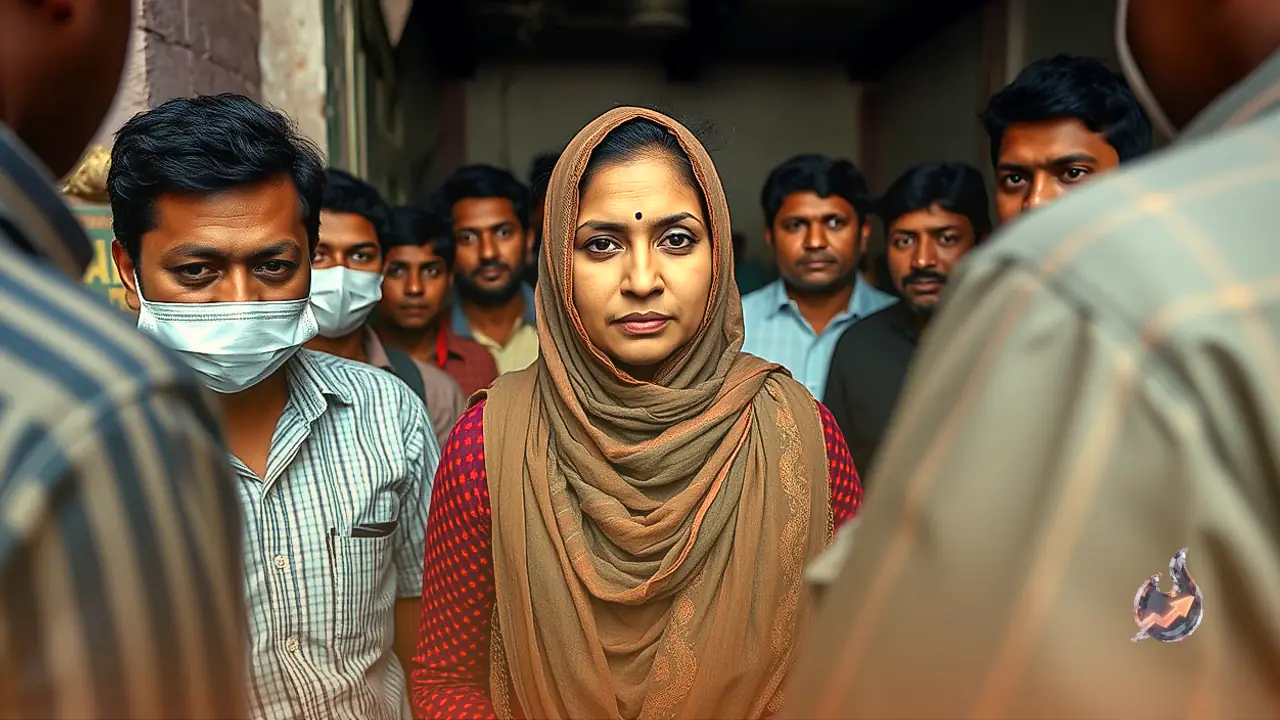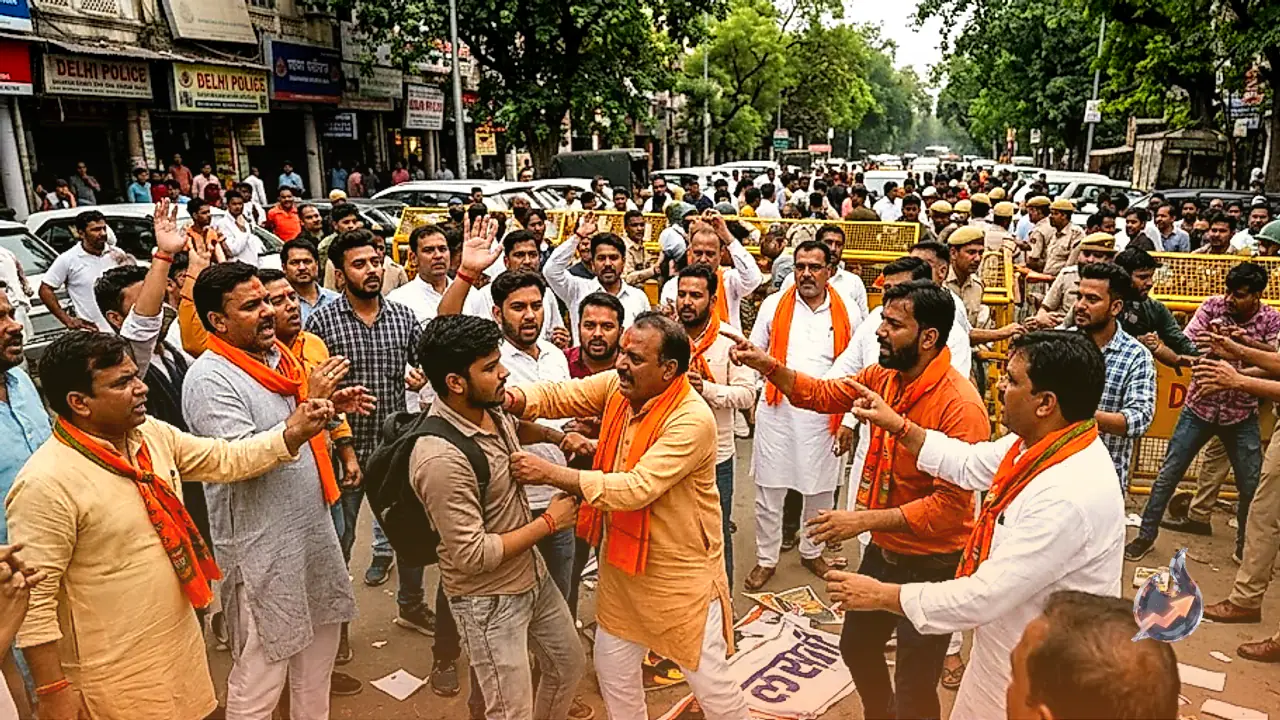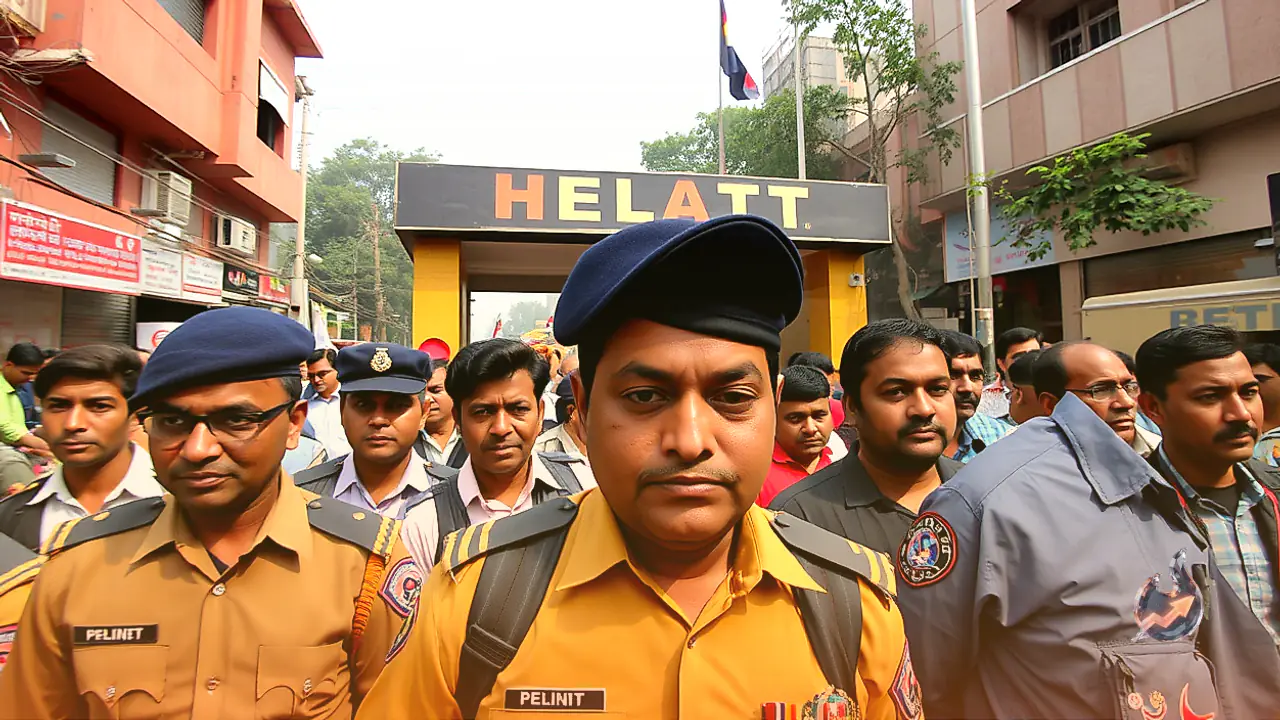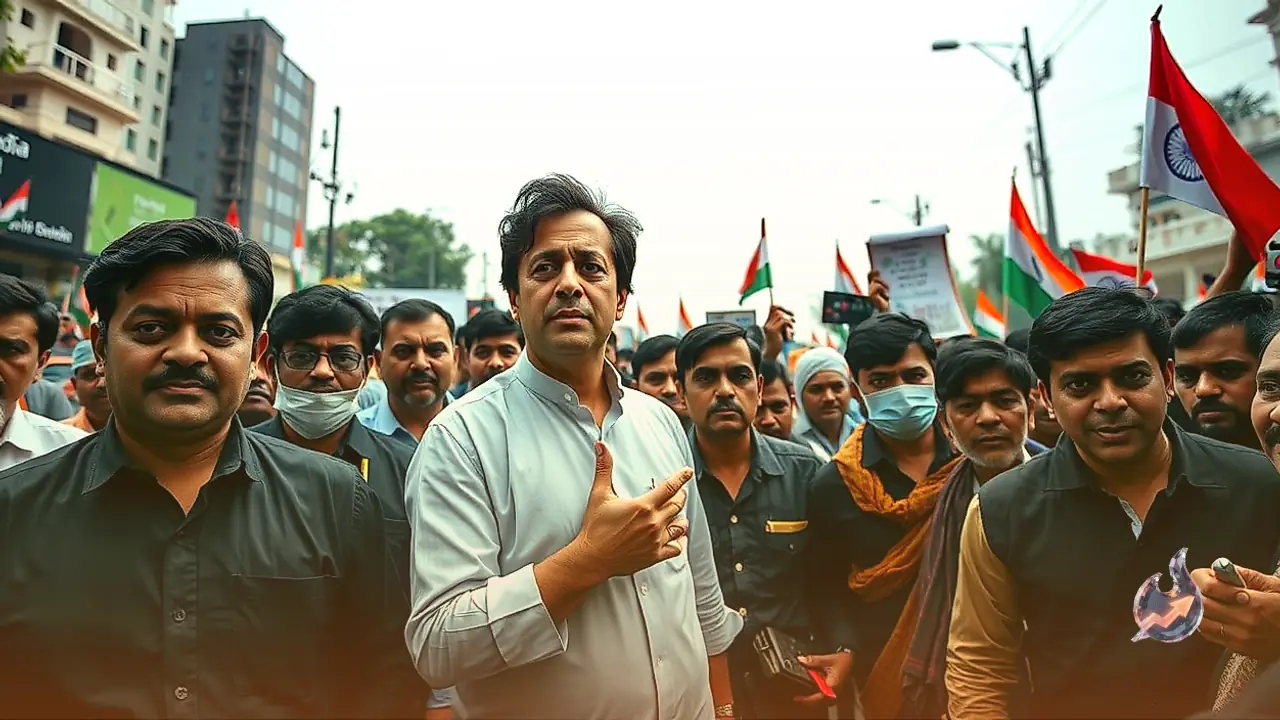


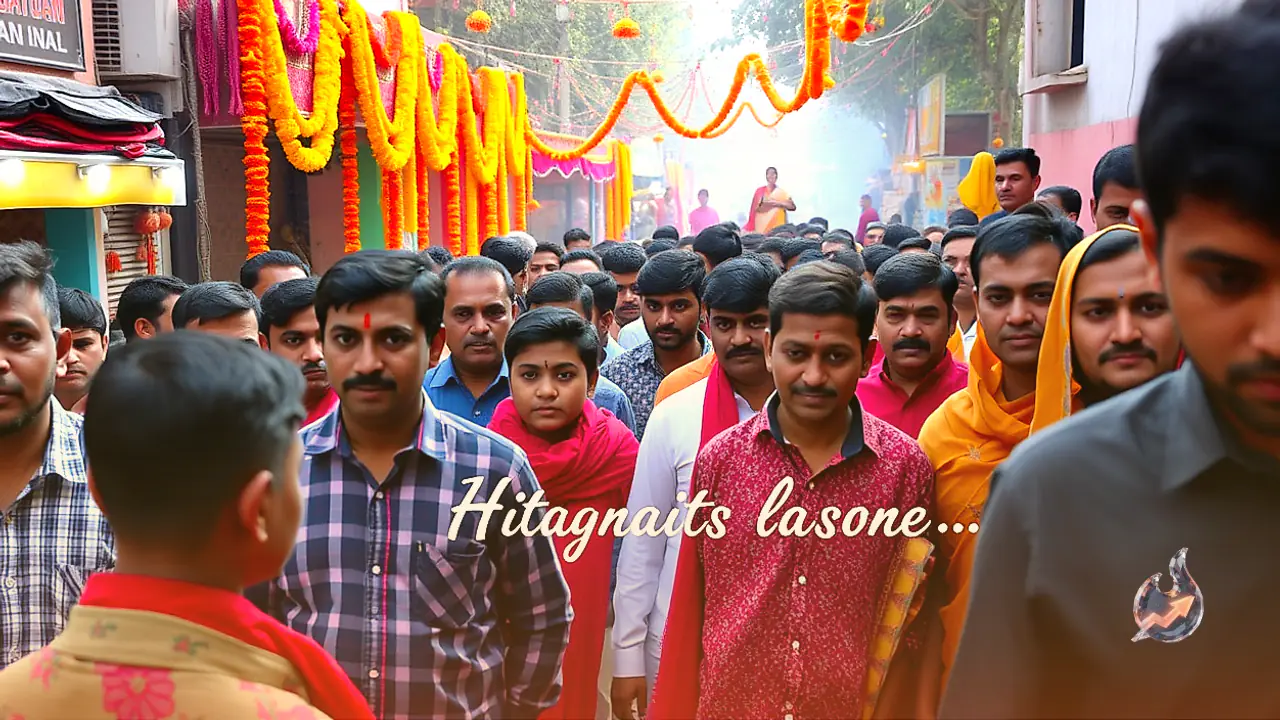

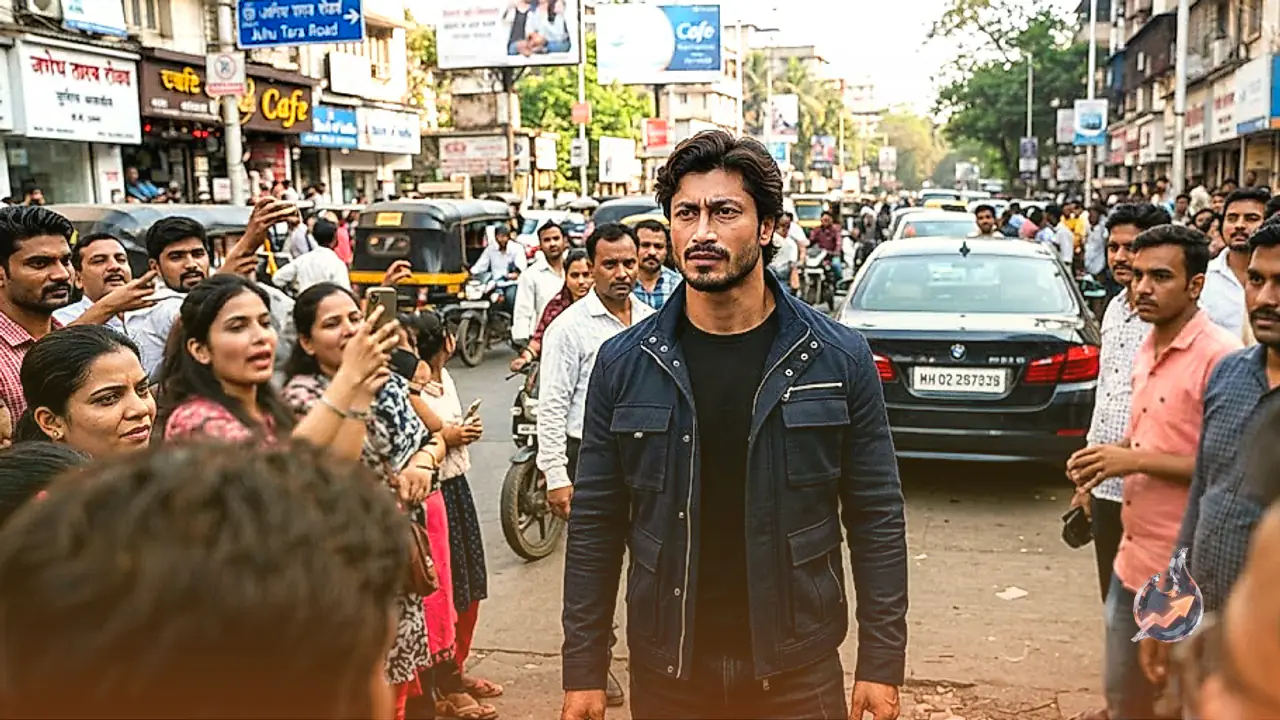















A comprehensive administrative and political push has been launched in the national capital to counter the expanding footprint of the Cockroach Janta Party. The political outfit had planned a major demonstration on 10 October demanding the stepping down of CEC Gyanesh Kumar, but administrative authorities refused to grant permission for the gathering. Following the denial, Jantar Mantar was formally closed as a permitted demonstration venue on 11 October. Ahead of any significant mobilization, law enforcement officers took numerous individuals, including prominent leaders of the party, into preventive custody across various parts of the city. These measures represent an overarching plan designed not simply to halt a single march, but to systematically curb the long-term reach and organizational momentum of the Cockroach Janta Party.
Top-Level Planning and Organizational Mobilization
The ground-level coordination of these efforts is being directed by BJP president Nitin Nabin. Rather than relying exclusively on police deployment, the counter-strategy involves a multi-pronged approach spanning media, judicial forums, and administrative channels. More than 150 social media content creators, YouTubers, and senior media figures have been mobilized to challenge the messaging of the Cockroach Janta Party. Simultaneously, a specialized legal cell has begun establishing a tight framework around opposing legal moves. In addition, groundwork has been underway to review potential external and overseas funding avenues linked to the party, with plans to present findings over the next two to three months.
Four Major Administrative Steps Taken Since July
Following the significant turnout and political impact of the Cockroach Janta Party's demonstrations in July, senior leaders initiated four decisive interventions aimed at tightening oversight
- Removal of Jantar Mantar from the venue directory: Jantar Mantar, long regarded as the most centrally located and transit-accessible demonstration site in New Delhi, was removed from the official roster of protest zones. While administrative clearance for this change was finalized on 29 September, the public announcement took place on 11 October.
- Directives issued to state police chiefs: On 29 September, central authorities dispatched formal communications to the Directors General of Police across various states. The directive instructed state police forces to intercept and halt travelers attempting to head to the capital for the 10 October mobilization before they could cross state borders.
- Activation of police cyber surveillance: Specialized cyber units within the police force were assigned to maintain round-the-clock observation over public accounts managed by content creators and digital commentators. The mandate focuses on reviewing material supporting the Cockroach Janta Party and initiating formal investigations and detentions where violations occur.
- Preventive closures of key public spaces: The operational restrictions were structured to remain ongoing rather than lapsing after 10 October. Under this broader mandate, municipal authorities issued a notification on 15 October ordering the two-day closure of Central Park in Connaught Place, where Abhijeet Dipke had scheduled a public march titled 'Lehra Do Tiranga' for 16 October.
Strategic Site Relocations Decided in August
The decision to alter Delhi's protest map was formulated during the opening week of August, directly prompted by the turnout witnessed during the party's July gatherings. A closed consultation attended by approximately 5 to 7 individuals, including Nitin Nabin and BL Santhosh, evaluated security assessments shared by senior police officials before agreeing to strike Jantar Mantar from the list of authorized demonstration sites.
Administrative calculations identified two major advantages in shifting the designated grounds away from central Delhi. First, moving the venues gives security personnel more transit time and geographic buffers to intercept marching crowds before they reach sensitive institutional buildings. Second, the three newly designated alternative protest grounds—Ramlila Maidan, Burari Maidan, and the CBD Ground in East Delhi—lack the direct transport links, metro connectivity, and central visibility that made Jantar Mantar an attractive site for mass rallies.
The 29 September Review and Grassroots Assessment
A prolonged operational conference lasting from 10:00 a.m. to around 6:30 p.m. was convened on 29 September at the central party offices in Delhi. The session brought together newly assigned regional in-charges and co-in-charges from across the country. While the public schedule characterized the gathering as routine organizational coordination, internal deliberations focused predominantly on assessing the rising crowd counts at Cockroach Janta Party events and planning countermeasures.
Regional coordinators received instructions to prepare comprehensive appraisals detailing the party's grassroots traction in their designated territories. They were directed to engage directly with young demographics to determine whether their affinity for the Cockroach Janta Party represents temporary curiosity or committed political loyalty. In states governed by the party, coordinators were instructed to work in close alignment with state police departments. Furthermore, internal security wings and state intelligence branches across regions have been actively monitoring the movement's local operational capacity.
The 9 October Strategy Session and Tactical Adjustments
On 9 October, Nitin Nabin led a three-hour review alongside national general secretaries at the central party headquarters. The agenda encompassed feedback on youth communication initiatives, party operations, and demonstrations regarding SIR. Discussions concentrated heavily on the planned Cockroach Janta Party march, with national general secretaries presenting evaluations compiled by their respective state coordinators.
The meeting established an internal agreement to implement a strict crackdown on the march, authorizing the preemptive detention of organizers and frontline participants. Concurrently, a deliberate tactical choice was made to refrain from deploying water cannons and tear gas projectiles, avoiding visuals that might generate wider public sympathy for the marchers. Additionally, all party members, ranging from local ward workers to senior functionaries, received instructions via organizational messaging groups to publish supportive statements for SIR across their digital accounts over the following 30 days.
Implementation of the Six-Point Counter-Plan
In the wake of the 10 October events, Nitin Nabin, BL Santhosh, and national general secretaries examined the operational results compared to the July rallies and segmented future measures into six distinct fields
1. Direct engagement of party figures and prominent marchers: A roster containing more than 150 digital influencers was assembled and deployed on the ground. These creators are tasked with documenting and circulating critical commentary regarding both the Cockroach Janta Party and allied opposition organizations. During the 10 October events, these figures directed intense scrutiny toward media outlets and public figures seen as critical of authorities. Financial compensation is being provided to these digital contributors in recognition of their full-time engagement.
2. Construction of structured intellectual narratives: Outreach has commenced to involve senior journalists capable of presenting comprehensive analyses challenging the opposition and the Cockroach Janta Party. Background briefings, institutional research, and factual dossiers for this outreach are being compiled by central research teams and digital cells.
3. Satirical and visual media campaigns: The party creative unit has been tasked with designing shareable visual media and internet memes aimed at blunting the messaging of both the opposition and Cockroach Janta Party figures.
4. Deployment of specialized legal panels: A coordinated group of legal professionals has been tasked with examining international precedents where unsubstantiated accusations against state bodies resulted in punitive legal actions once claims collapsed. These attorneys are formulating procedural challenges to bog down opposing claims in court. The highlighting of 14 specific technical flaws within Rahul Gandhi's petition reflects this broader approach, aiming to depict legal challenges from opposition figures as lacking rigorous grounding.
5. Financial audits and overseas funding scrutiny: Strategic preparations are progressing to present documentation regarding the alleged overseas financial backing of the Cockroach Janta Party within the next two to three months. Data gathering on cross-border financial flows has been active since July, with authorities maintaining high procedural secrecy around initial records.
6. Long-range statutory enforcement: Regulatory and legal authorities are preparing a sustained series of formal actions against individuals and entities associated with the Cockroach Janta Party, operating strictly within legal boundaries as formal investigations proceed.
When asked for clarification regarding the organizational and administrative roadmap surrounding the Cockroach Janta Party demonstrations, national party spokesperson Pradeep Bhandari declined to comment on specific details, stating that official policy and administrative actions remain the prerogative of the government and do not fall within his designated briefing responsibilities.