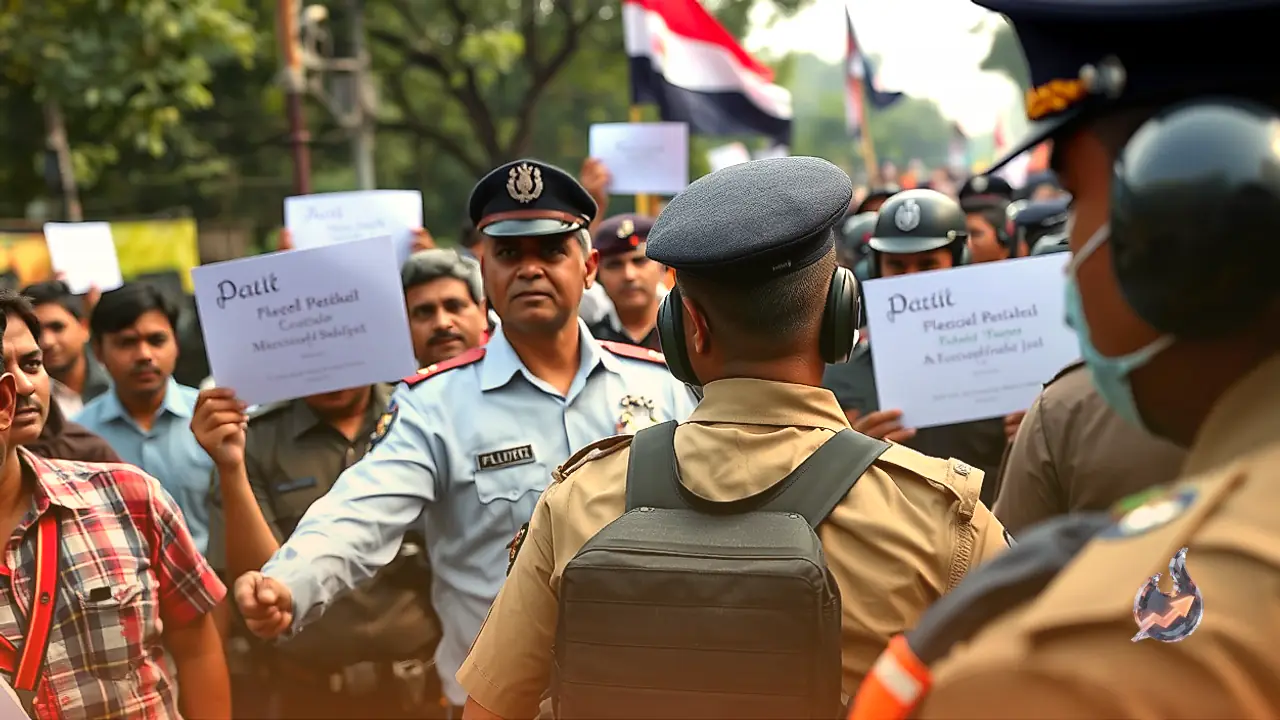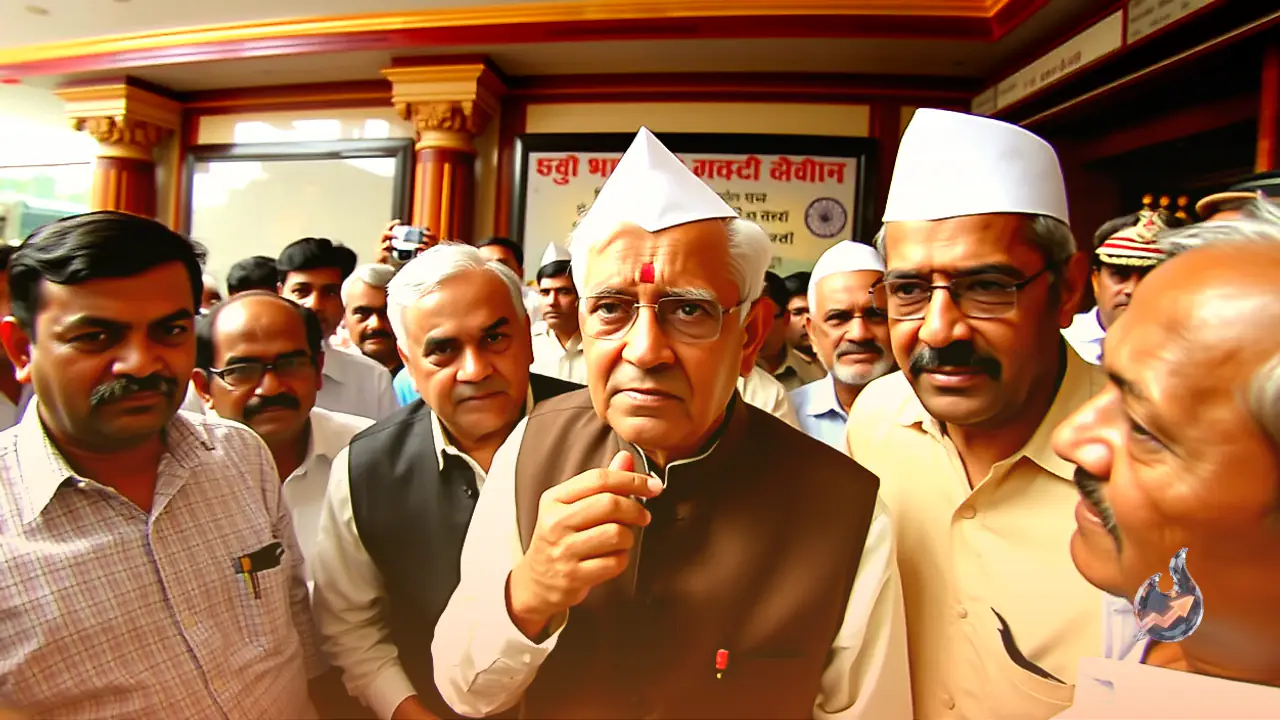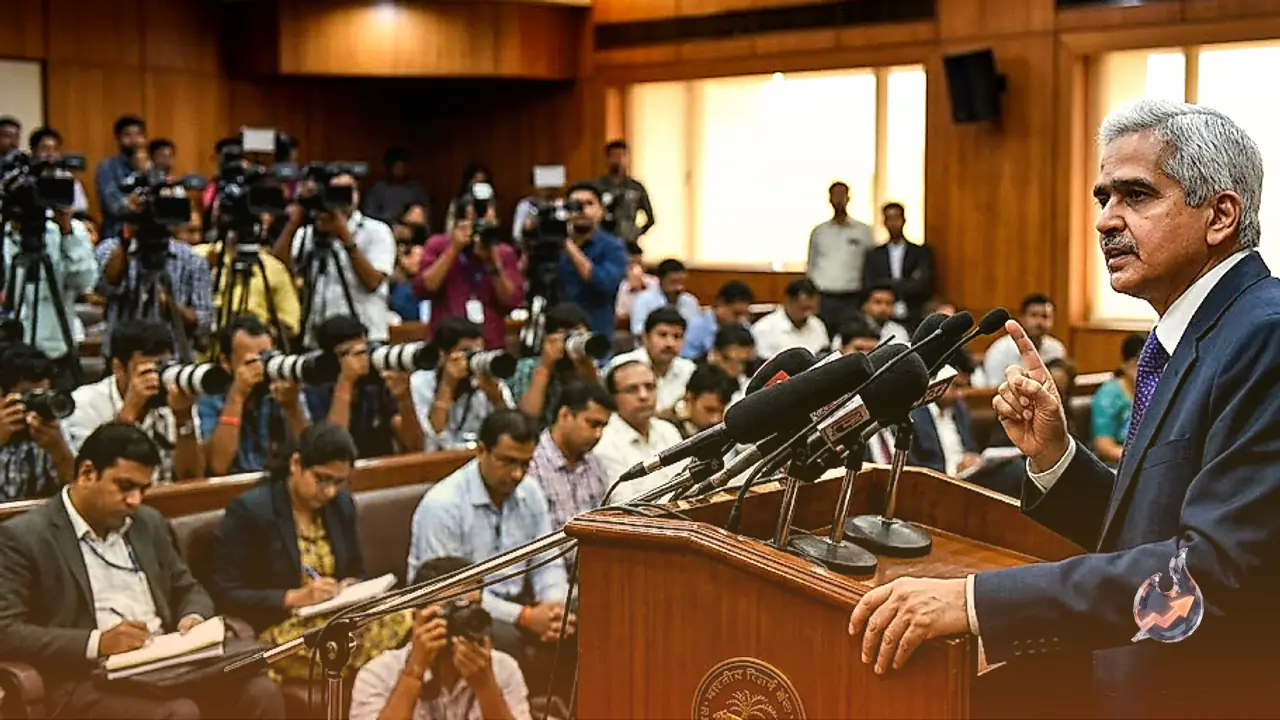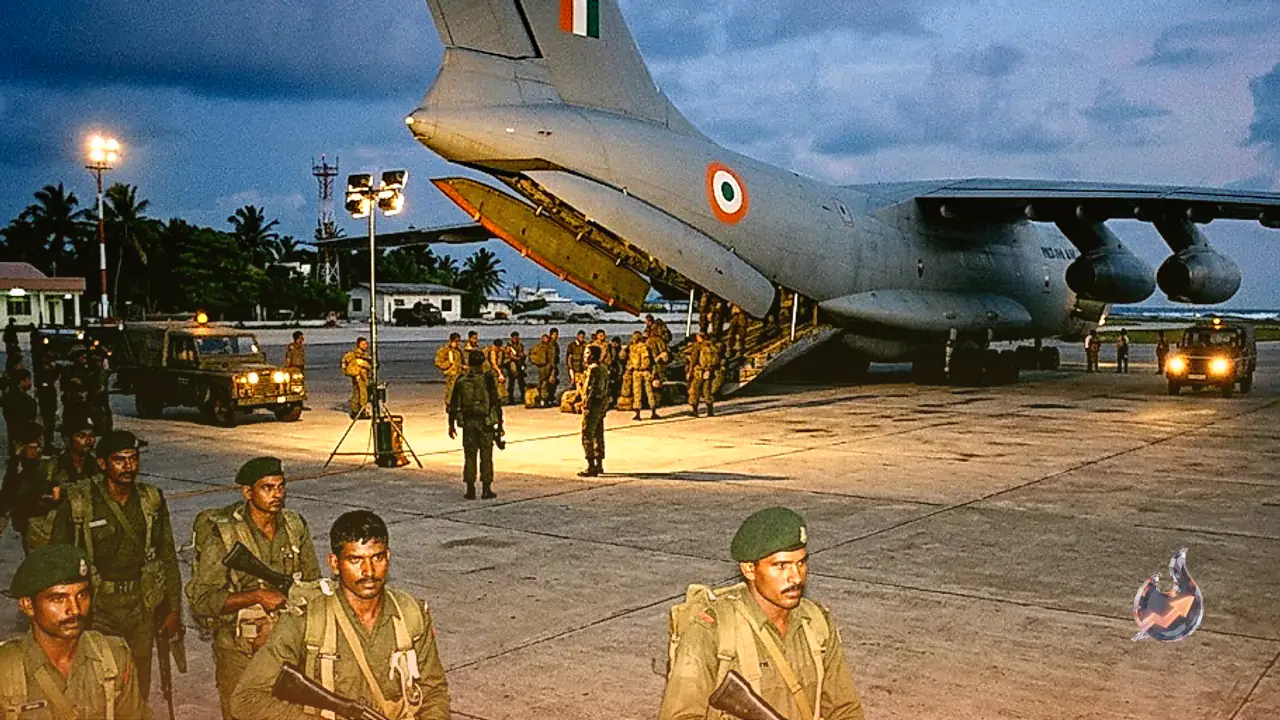
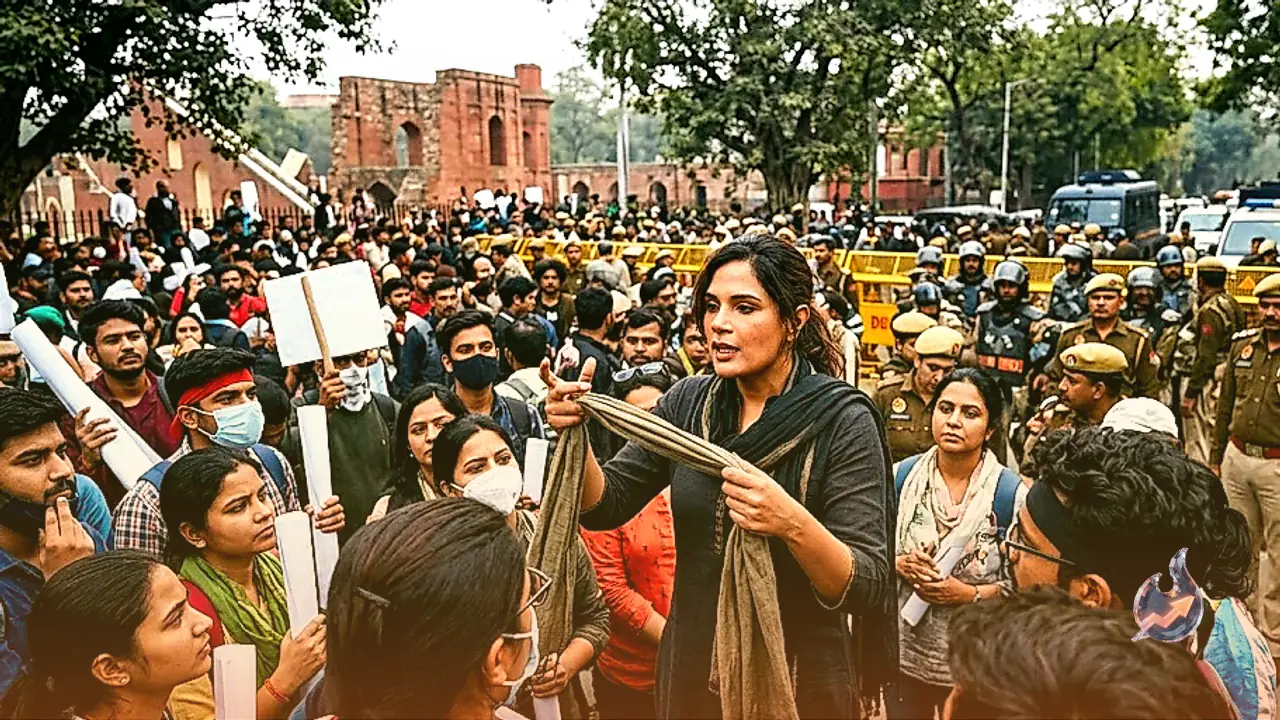
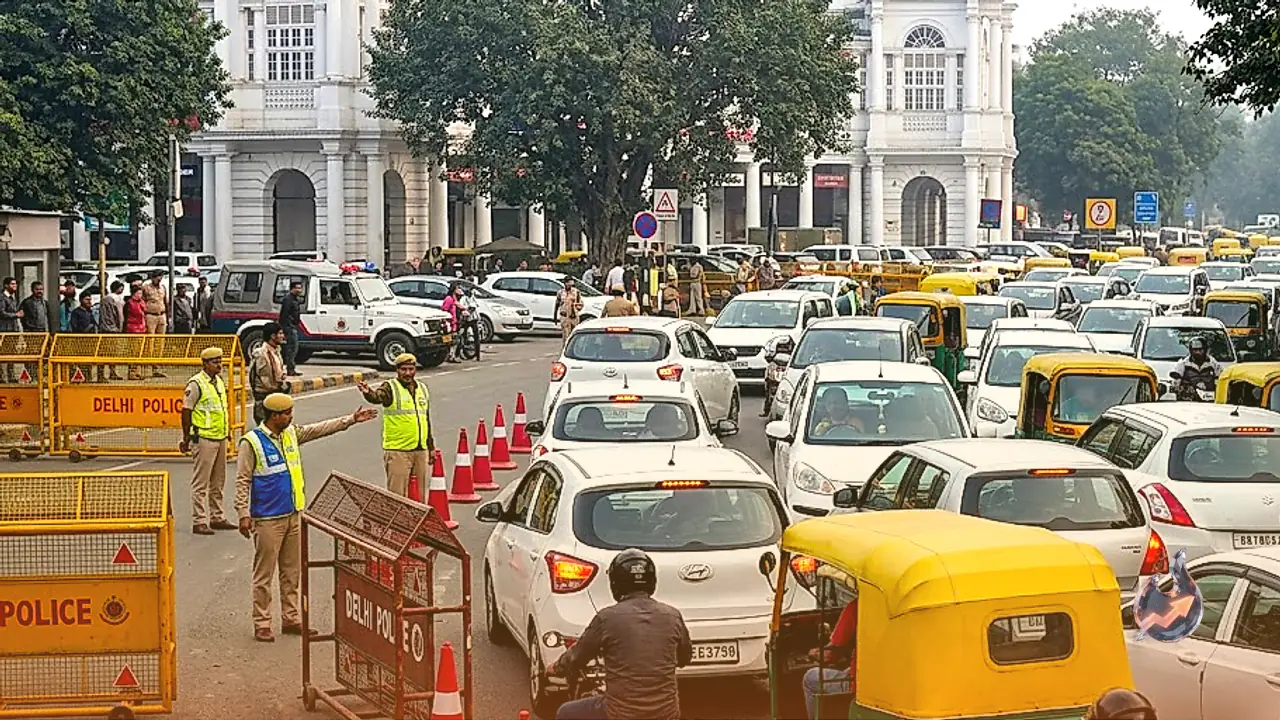

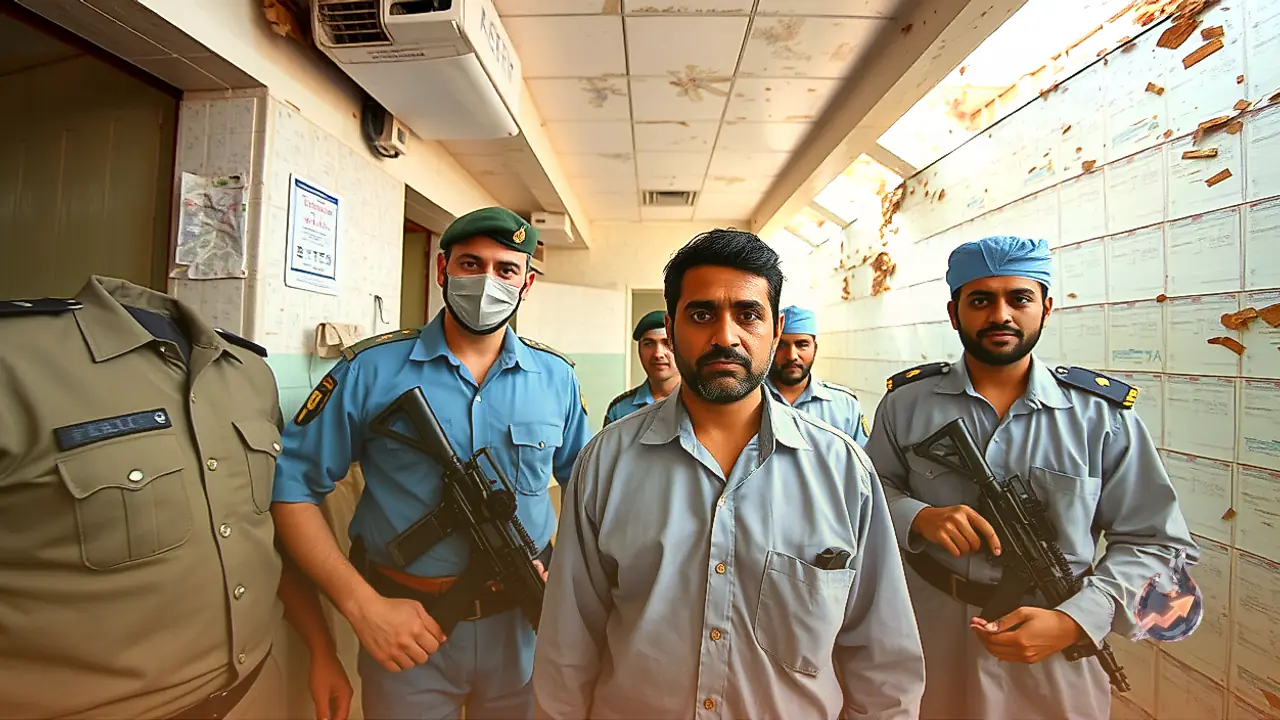














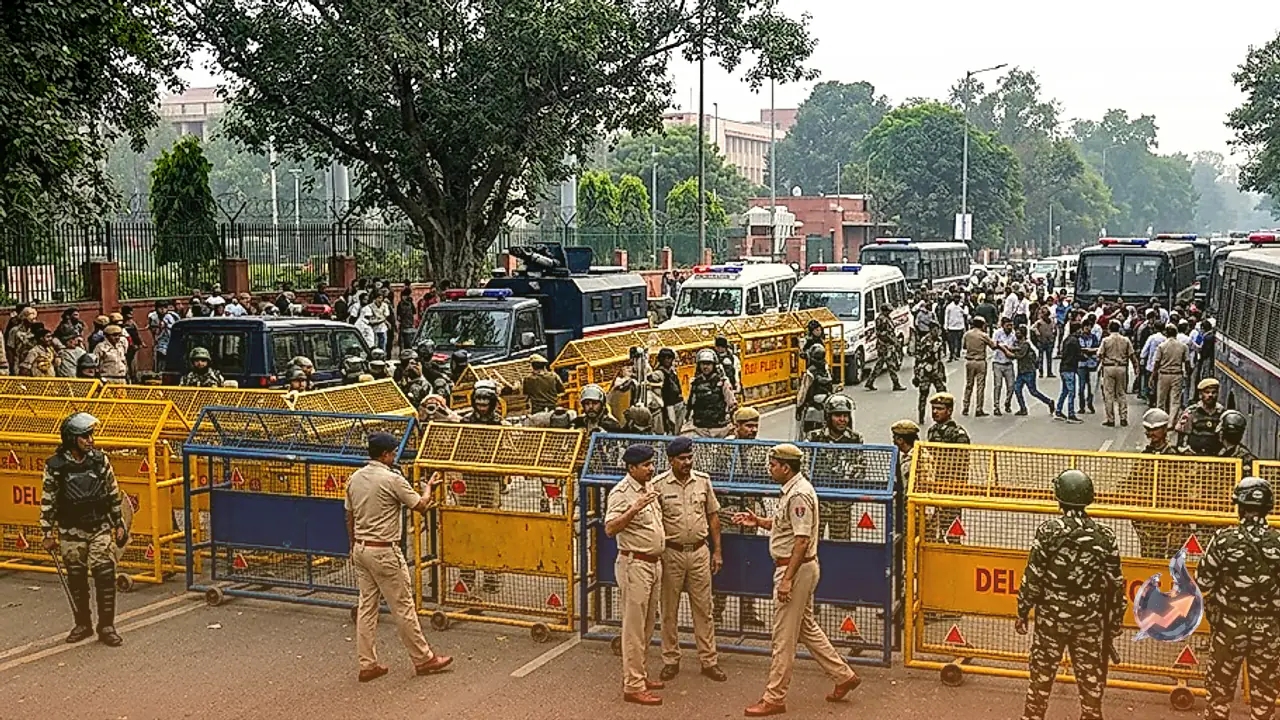

A massive security apparatus transformed the national capital into a virtual fortress ahead of the Cockroach Janta Party's planned demonstration at Jantar Mantar on 10 October. To prevent demonstrators from assembling, extensive curbs were put in place starting 9 October, halting Delhi-bound trains, shutting down metro stations, and sealing key border road corridors. Detentions commenced early on the morning of 10 October, and by 11 a.m., the party's entire core leadership, including founder Abhijeet Dipke, Ashutosh Ranka, and Saurav Das, was taken into custody directly from their flight, sparking widespread discussions on the underlying causes behind such drastic measures.
Supreme Court Questions Heavy-Handed Measures
A legal challenge was brought before the Supreme Court on 9 October challenging the sweeping shutdown of metro operations and railway services. While hearing the matter, Chief Justice of India Suryakant observed that while precautionary steps are permissible, they must not bring the entire public machinery to a standstill. Emphasizing that an absolute ban is unacceptable, the Chief Justice noted that while certain activities might need regulation, it does not justify using a hammer to kill a fly.
Strategic Motivations and Past Lessons
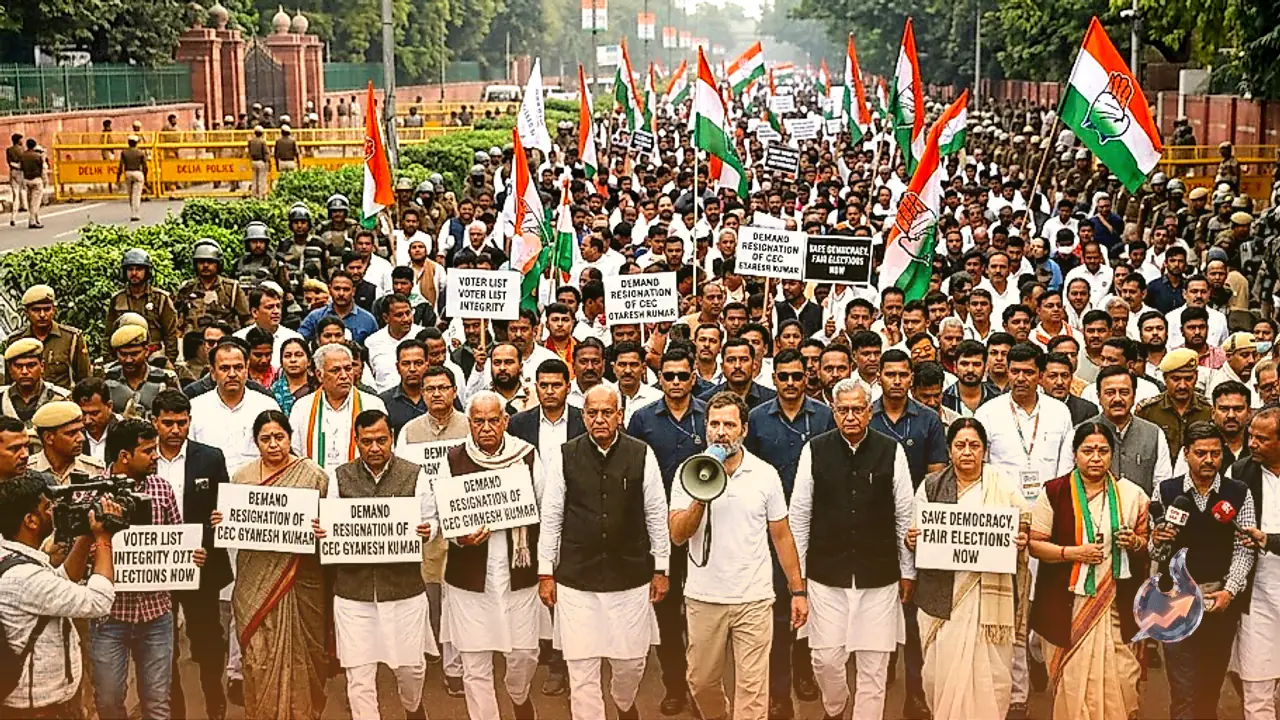
Multiple factors explain the intense administrative vigilance witnessed across the capital. Political analyst Rasheed Kidwai pointed out that the administration is determined to avoid repeating the mistakes made four months ago, recognizing that once demonstrators successfully reach Jantar Mantar, events can rapidly spiral out of control. Furthermore, with the political opposition led by Rahul Gandhi already staging sit-ins and marches demanding the resignation of Chief Election Commissioner Gyanesh Kumar, security forces remained on maximum alert.
The previous confrontation traces back to 20 June, when the Cockroach Janta Party initiated an agitation at Jantar Mantar seeking Education Minister Dharmendra Pradhan's resignation. While the initial turnout was modest, the dynamics shifted on 28 June when Sonam Wangchuk embarked on a hunger strike. As his health deteriorated by 10 July, public backing surged both across social media and at the protest venue. Police forcibly removed Sonam on 18 July, causing the situation to slip beyond administrative control. The subsequent police action during the party's march to Parliament on 20 July intensified pressure on the government, eventually leading to Dharmendra Pradhan's departure from office.
Complex Demands Surrounding the SIR Process
Accepting the current agitation's core demands poses structural complications that go far beyond a single resignation. Stepping down by Gyanesh Kumar would trigger a chain of broader demands, including the party's call to halt all forthcoming elections and revert to the January 2025 voter roll preceding the SIR exercise.
Amitabh Tiwari, founder of VoteVibe and election analyst, explained that should Gyanesh Kumar resign under public pressure, the entire SIR procedure and every election conducted under it would face intense scrutiny. Post-SIR elections have already concluded across five states and one union territory, namely Bihar, Assam, Kerala, Tamil Nadu, West Bengal, and Puducherry.
Furthermore, the SIR process has been completed in Uttar Pradesh, Gujarat, and Goa, is nearing conclusion in Punjab, and remains active in Uttarakhand and Manipur, with all these regions scheduled for assembly elections next year. During earlier proceedings on the SIR matter, the Supreme Court had noted that Gyanesh Kumar could not be suspended, questioning how the Election Commission would function under such circumstances. Gyanesh Kumar's tenure extends until 26 January 2029, a period during which assembly elections in 20 states are scheduled to take place.
Political Agitations and Strategic Narratives
The prospect of sustained agitations aimed at challenging the administration has heightened official concerns, especially if pressure groups and opposition entities combine forces. Rahul Gandhi's public remarks have amplified these worries. He stated that Chief Election Commissioner Gyanesh Kumar would exit alongside the Modi government, after which efforts to reform democratic institutions would commence. On 6 October, Rahul reiterated that he spoke with deliberation, asserting that none would escape accountability, naming Narendra Modi, Amit Shah, Gyanesh Kumar, and Mohan Bhagwat.
Political commentator Ashutosh observed that Dharmendra Pradhan's earlier resignation had created a dent in the administrative aura, challenging the perception that ministers do not resign under the present regime. It also impacted the narrative surrounding Prime Minister Narendra Modi's governance style, which was previously viewed as immune to external agitation. Concurrently, political expert Aadesh Rawal highlighted that Rahul's targeted approach aims to erode the Prime Minister's political standing by promoting the narrative that electoral outcomes rely on the Election Commission rather than Narendra Modi's appeal.
Opposition Dynamics Versus Independent Movements
During the NEET controversies in June and July 2026, official channels engaged in discussions and reached understandings directly with Cockroach Janta Party representatives rather than opposition leaders, even after Rahul Gandhi launched a sudden sit-in outside the Prime Minister's residence following the 20 July police action. Amitabh Tiwari remarked that bypassing the opposition was intended to deny them the opportunity to claim a political triumph.
Meanwhile, Rahul Gandhi has sustained focus on alleged irregularities in the SIR process over the past two years, addressing four press conferences on the subject. Following an investigative report published in The Indian Express, he convened another briefing to present allegations, with Congress planning a series of events running through 26 November. Rasheed Kidwai observed that two separate fronts have emerged challenging the administration over Gyanesh Kumar: the institutional opposition spearheaded by Congress, and grassroots student and citizen groups under the Cockroach Janta Party. While the institutional opposition presents the larger structural challenge, placing focus on the CJP helps dilute the opposition's political momentum. Drawing a parallel, Aadesh Rawal noted that the BJP capitalized on the 2010 Anna Hazare movement while in opposition, suggesting Congress, as the principal opposition force, could similarly gain traction.
Detentions and the Path Forward for the Agitation
Owing to extensive police deployment, party demonstrators were unable to converge at Jantar Mantar by 5 p.m. Alongside hundreds of demonstrators, the party's top leaders remained in custody. Furthermore, three former chief ministers, Mamata Banerjee, Manik Sarkar, and P. Vijayan, were detained while en route to support the agitation.
Rasheed Kidwai noted key distinctions between this mobilization and past protests. While the NEET controversy directly affected students, the SIR debate is fundamentally political. Although it concerns ordinary voters, broader public participation remains to be seen, particularly amidst the ongoing festive period. If wider civic participation materializes, containment will become increasingly difficult. Analysts also emphasize that leadership detentions cannot permanently extinguish the movement since individuals cannot be detained indefinitely. The Cockroach Janta Party has announced that Ajinkya Shinde will direct protest operations following the detention of Abhijeet Dipke.