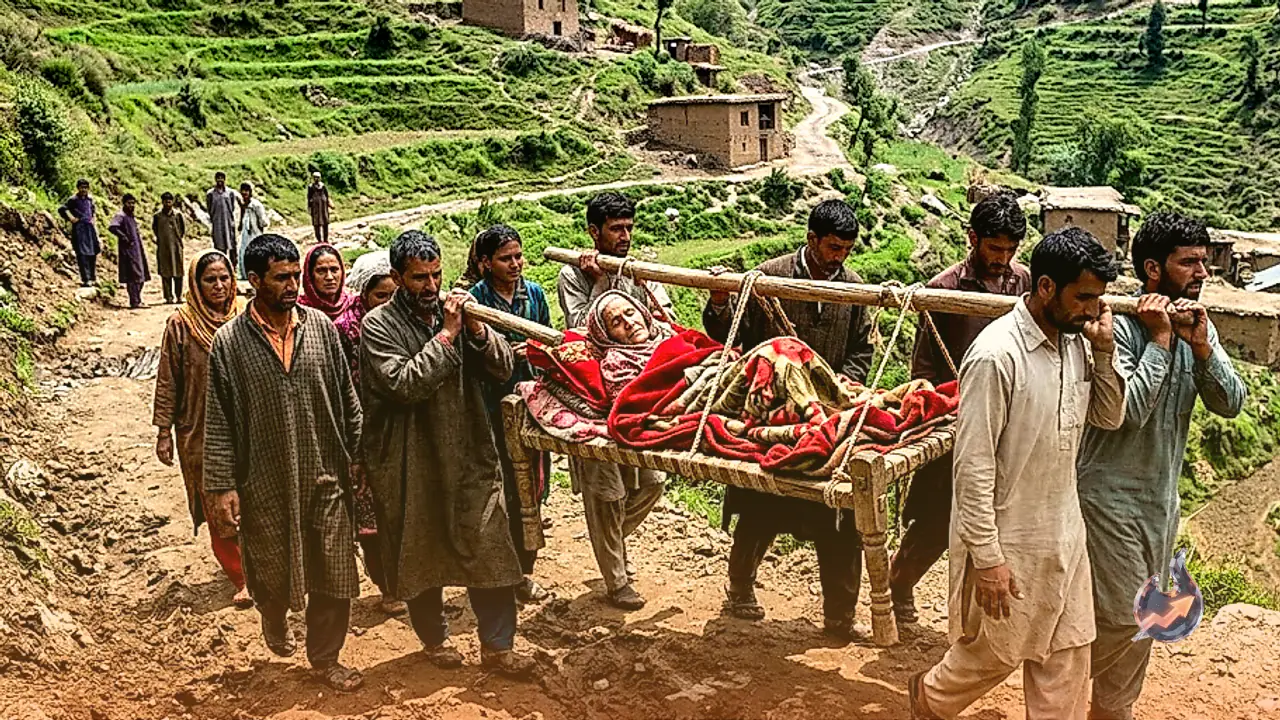






















A catastrophic land subsidence incident in Kheri, located merely 12 kilometers from Jammu city, has wrought widespread destruction and triggered immense panic across the local population. Triggered by heavy rainfall, the collapsing ground has severely damaged more than eight houses in the village. The disaster has reduced several structures to heaps of rubble while leaving others precariously dangling over deep chasms. With drinking water infrastructure completely shattered and power distribution severed, displaced families have been forced into emergency temporary tents provided by the local administration. However, these temporary shelters have quickly turned into a secondary hazard due to an influx of dangerous pests.
Sinking Terrain and Structural Collapse in Kheri
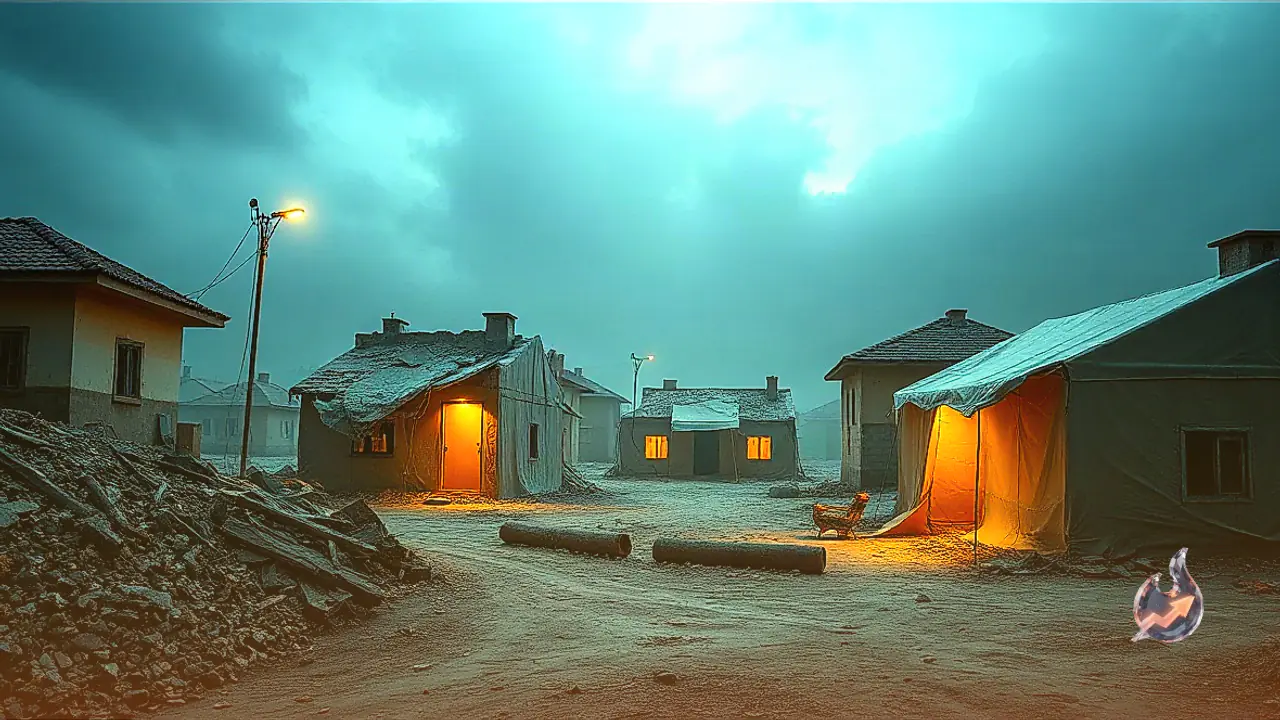
The sudden shifting of land in Kheri village occurred with little warning, leaving residents with virtually no time to salvage their belongings. Rainwater soaking into the hillside terrain undermined the structural integrity of the soil, causing massive earth movements that swallowed lifelong savings within minutes. At the site, two houses have collapsed entirely into ground rubble. One full structure sank an estimated 18 to 20 feet deep into the sunken earth, completely disappearing from the surface level. Additionally, two other residential buildings hang half in the air along the edge of the collapse, on the verge of falling at any moment. Numerous neighbouring homes have developed deep, wide cracks across their walls and foundations. Terrified villagers fear that any subsequent rainfall could sink the remaining structures entirely.
Relief Tents Swarmed by Snakes and Scorpions
To provide immediate shelter to the displaced victims, local administrative authorities dispatched three emergency relief tents to the affected area. Nevertheless, residing in these makeshift shelters has rapidly created a perilous situation for the homeless families. Residents report that surrounding debris and unmanaged vegetation have drawn venomous snakes and scorpions into the temporary camp. These hazardous creatures frequently crawl inside the tents, posing an immediate threat to young children and elderly family members. Fearful residents stay awake throughout the night to guard against venomous bites. The lack of secure enclosure has transformed relief efforts into an ongoing safety hazard for those already coping with the loss of their homes.
Geological Survey Experts Unable to Pinpoint Cause
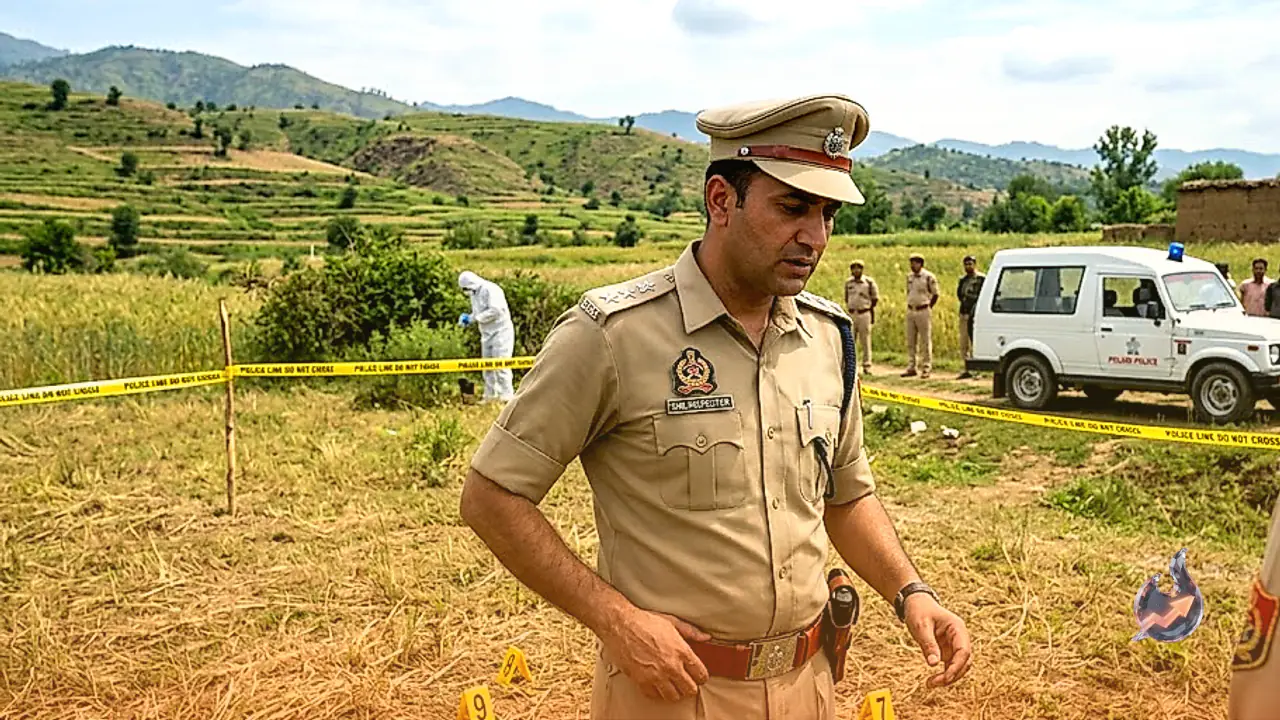
In response to the escalating land subsidence, administrative authorities directed scientific experts to investigate the site. A specialized team from the Geological Survey of India (GSI) visited the devastated locality in Kheri to conduct technical assessments. The geological team examined soil stability, rock formations, and ground displacement patterns across the slope. However, despite detailed field investigations and efforts, experts were unable to determine the exact underlying cause behind the continuous sinking of the terrain. The absence of a definitive geological diagnosis has heightened concerns among authorities and residents alike, as stabilizing the area remains challenging without identifying the root cause.
Unfulfilled Promises of 2025 and Fresh Devastation in 2026
Local elders and residents emphasized that land vulnerability in Kheri is not a sudden development. During 2025, severe rainfall and flash flooding caused extensive destruction across the same locality. At that time, administrative officials visited the site, logged the details of affected households, and promised comprehensive assistance alongside relocation plans. Local families allege that these commitments never materialized into concrete support, forcing them to repeatedly visit government offices without success. Consequently, when heavy rains struck again in 2026, the remaining unfortified land gave way, destroying the hard-earned brick houses that families had gradually constructed over years of labor.
Utility Disruption and the Search for Permanent Rehabilitation
The ground collapse has thoroughly disrupted public infrastructure across Kheri. Main water supply pipes were severed during the land movement, cutting off clean drinking water to the neighborhood, while fallen power poles have left the area without electricity. Expressing his grief, local resident Mohammad Asif stated that families currently lack basic necessities, including drinking water, power, and safe shelter. He highlighted that despite continuous visits to official offices following the 2025 flood assessments, no practical relief reached the ground. Displaced residents are now calling upon state authorities for urgent permanent relocation, safe land allocations, and immediate rebuilding assistance before further ground movement claims additional property.