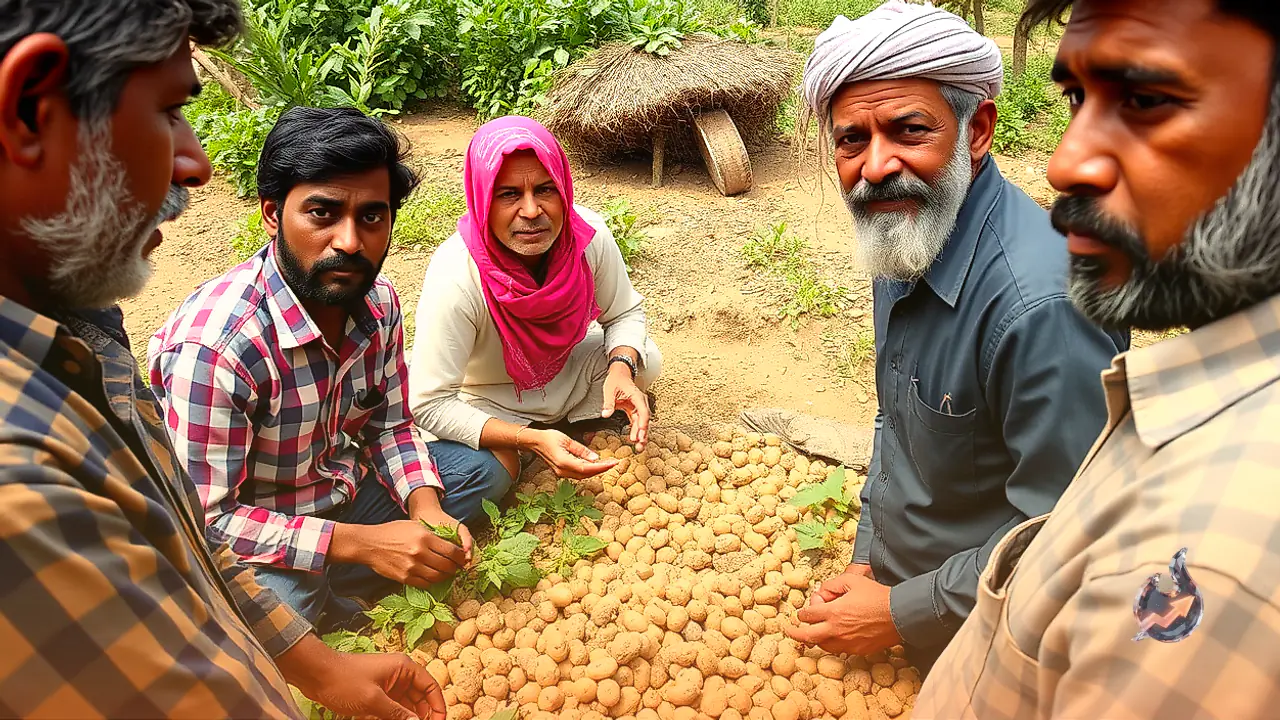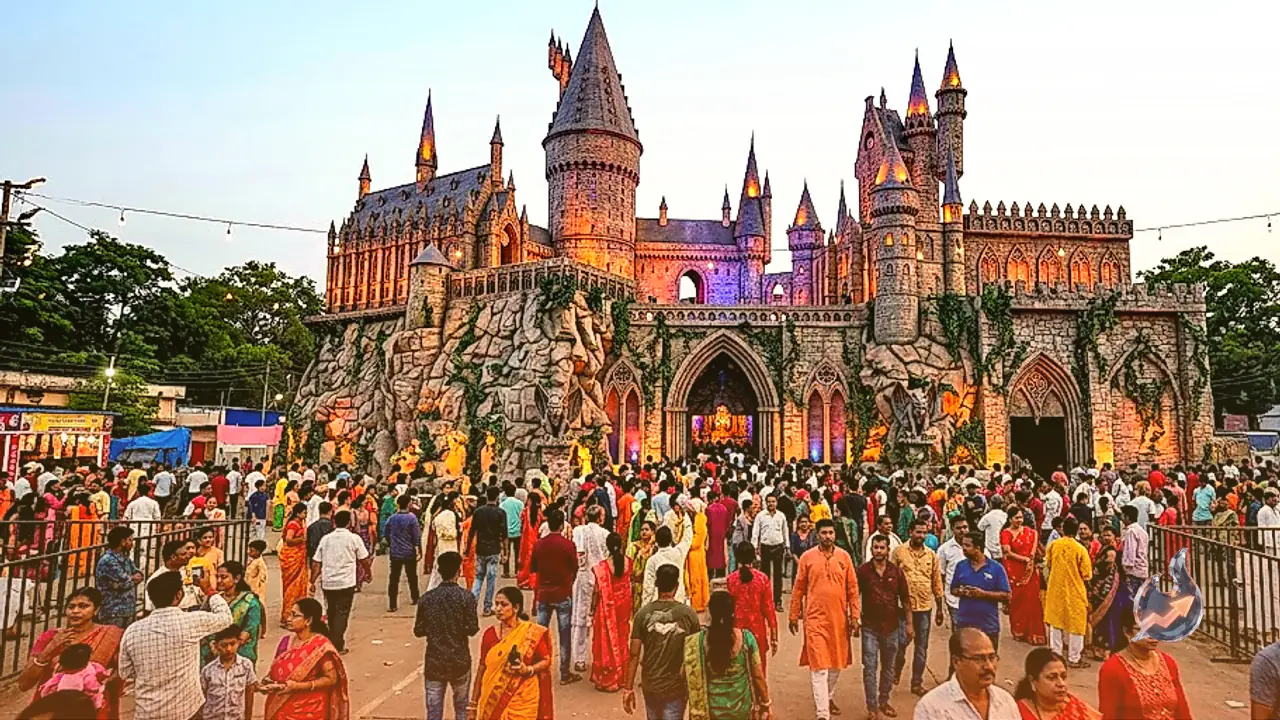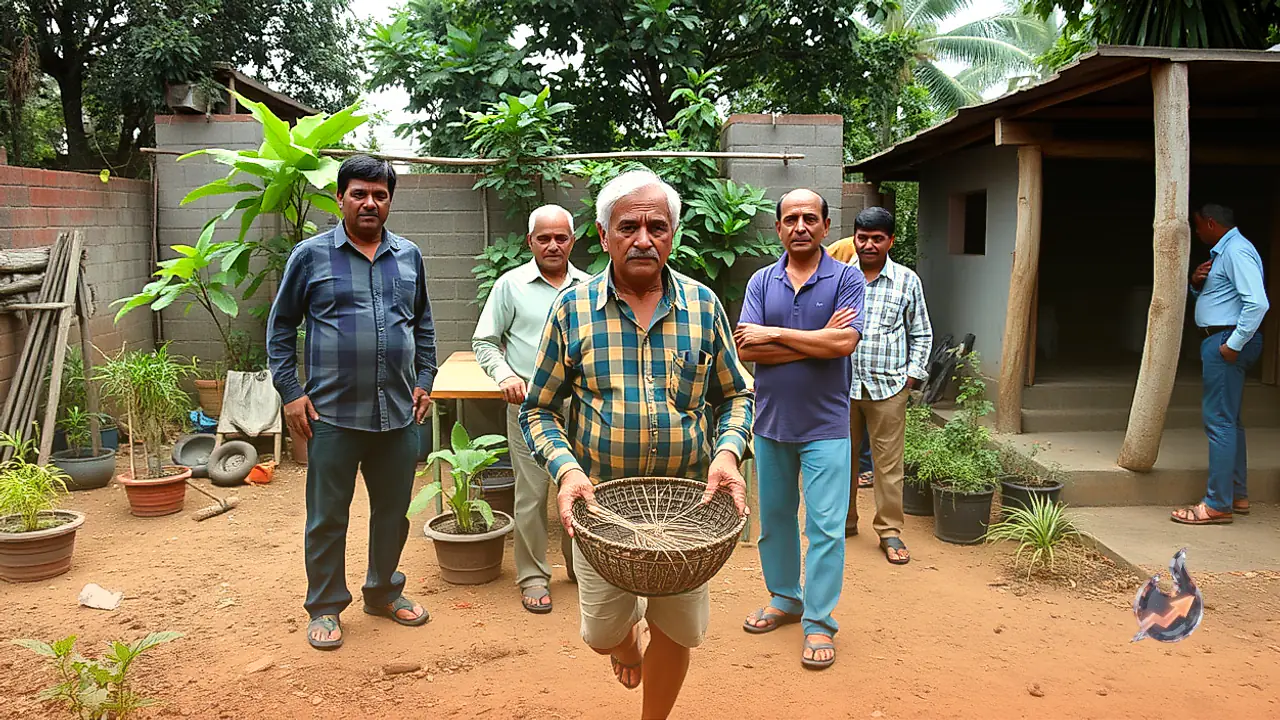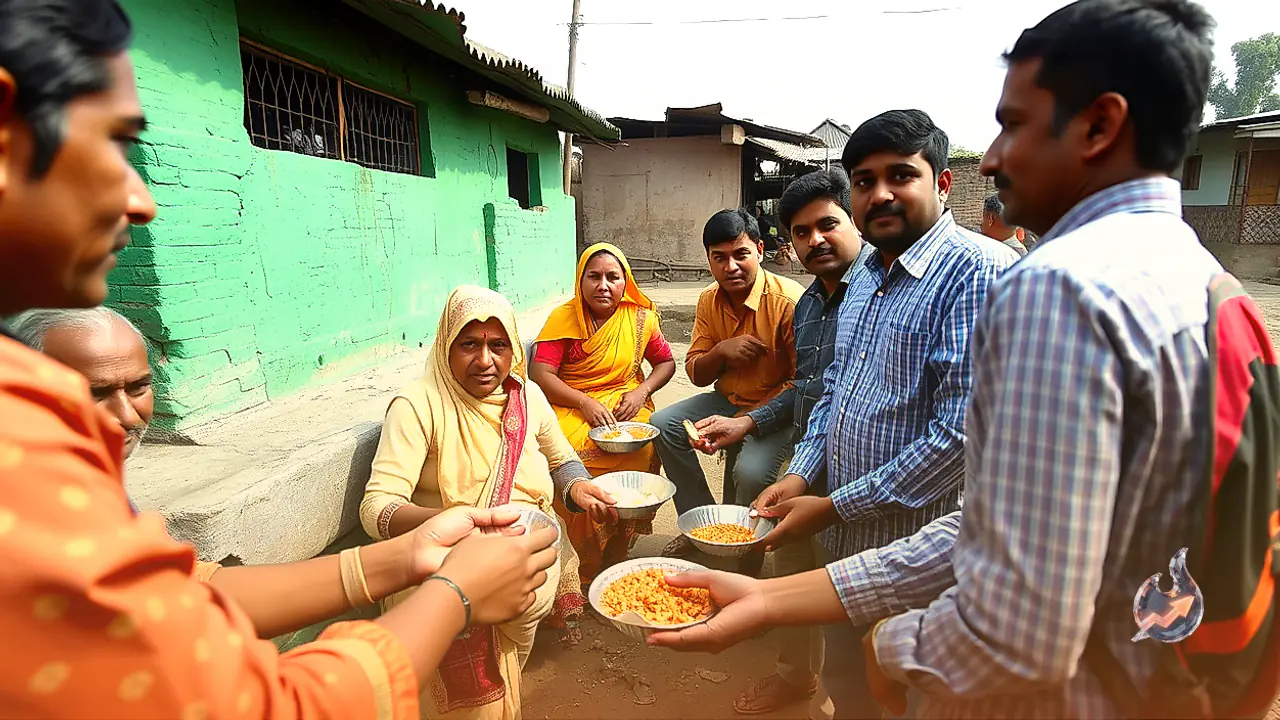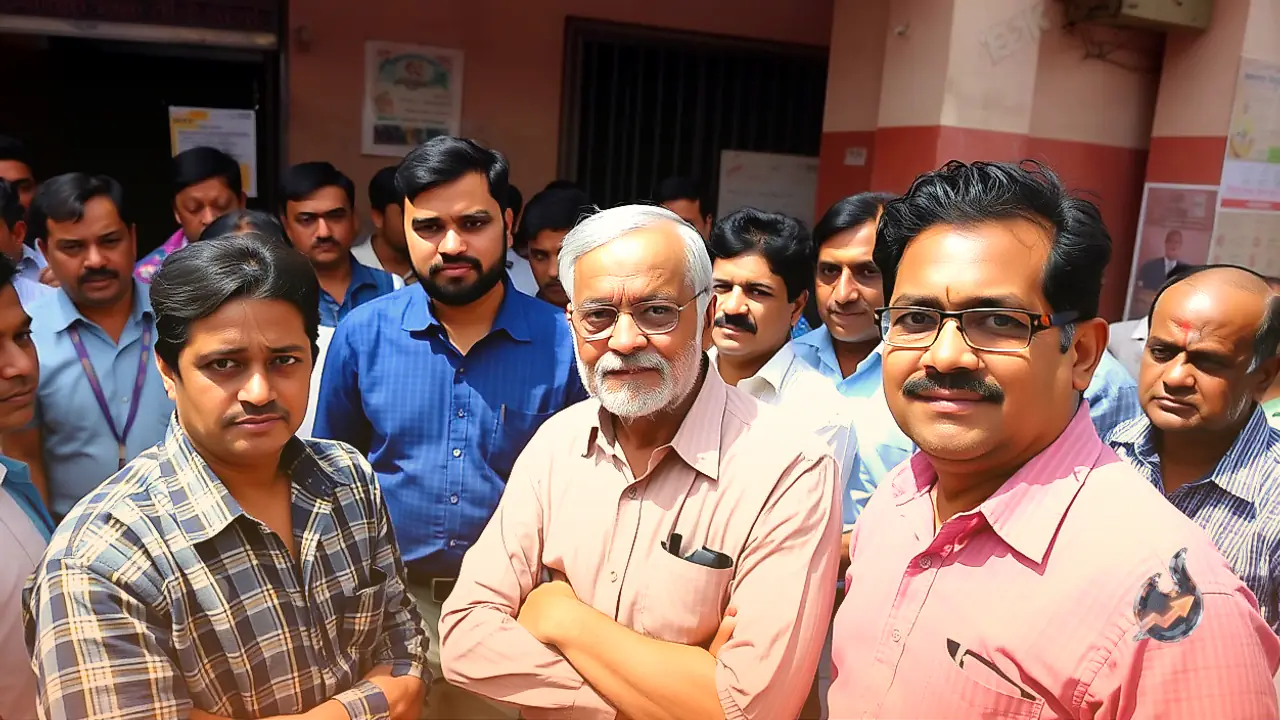
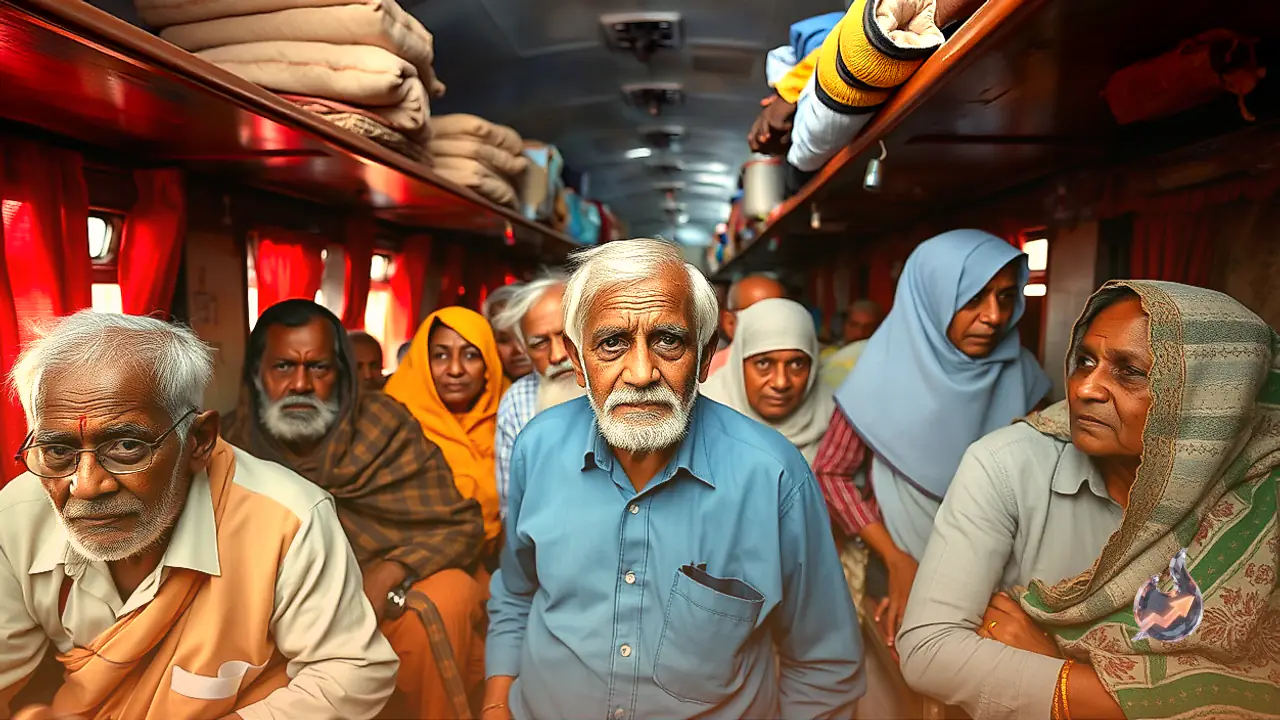
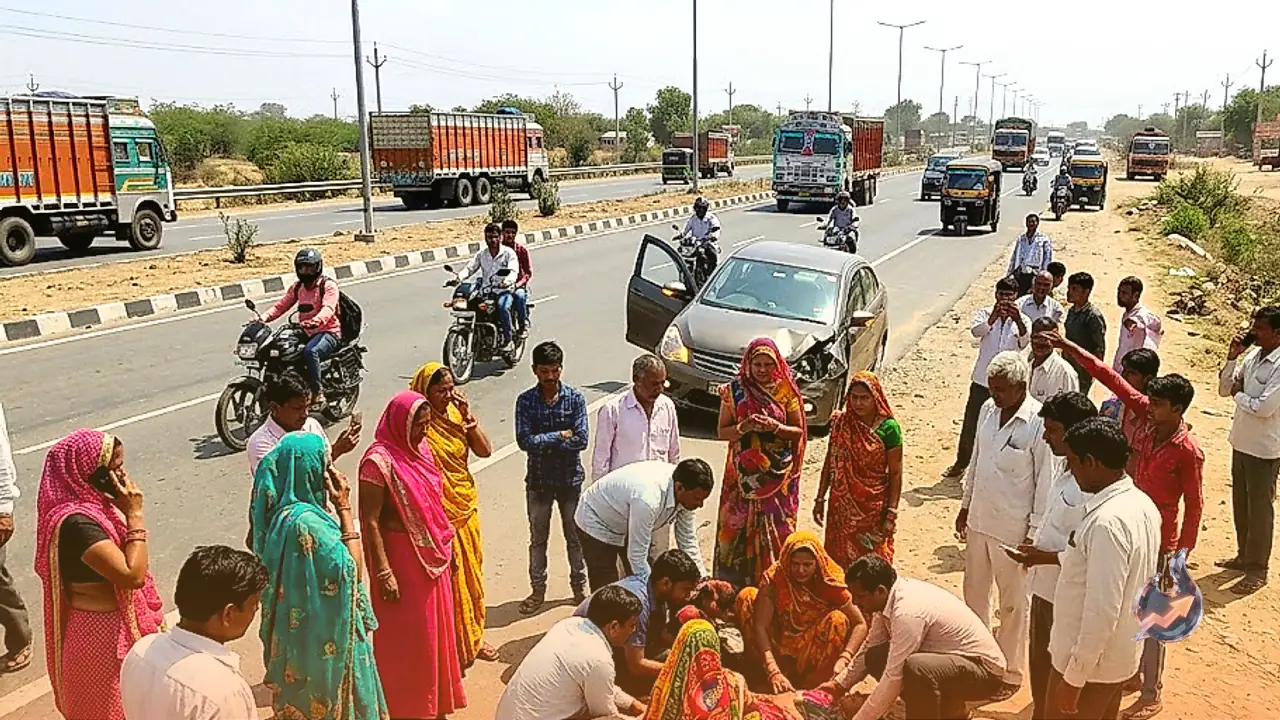
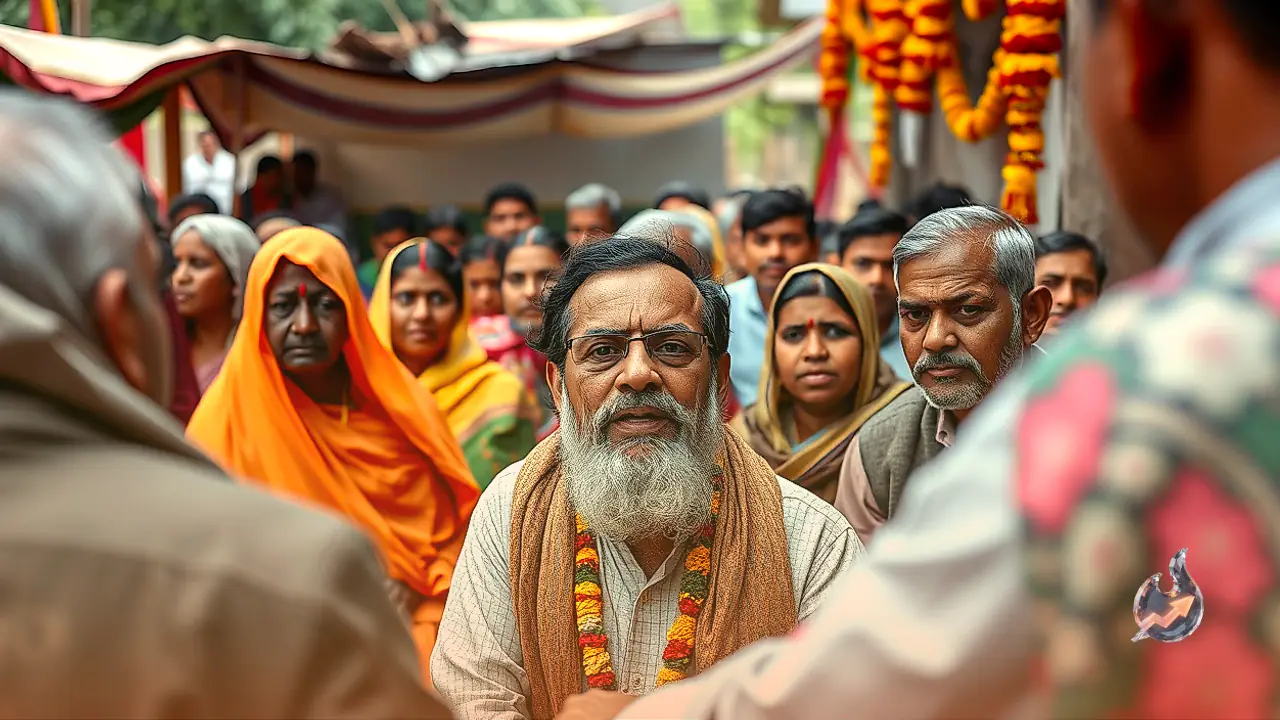















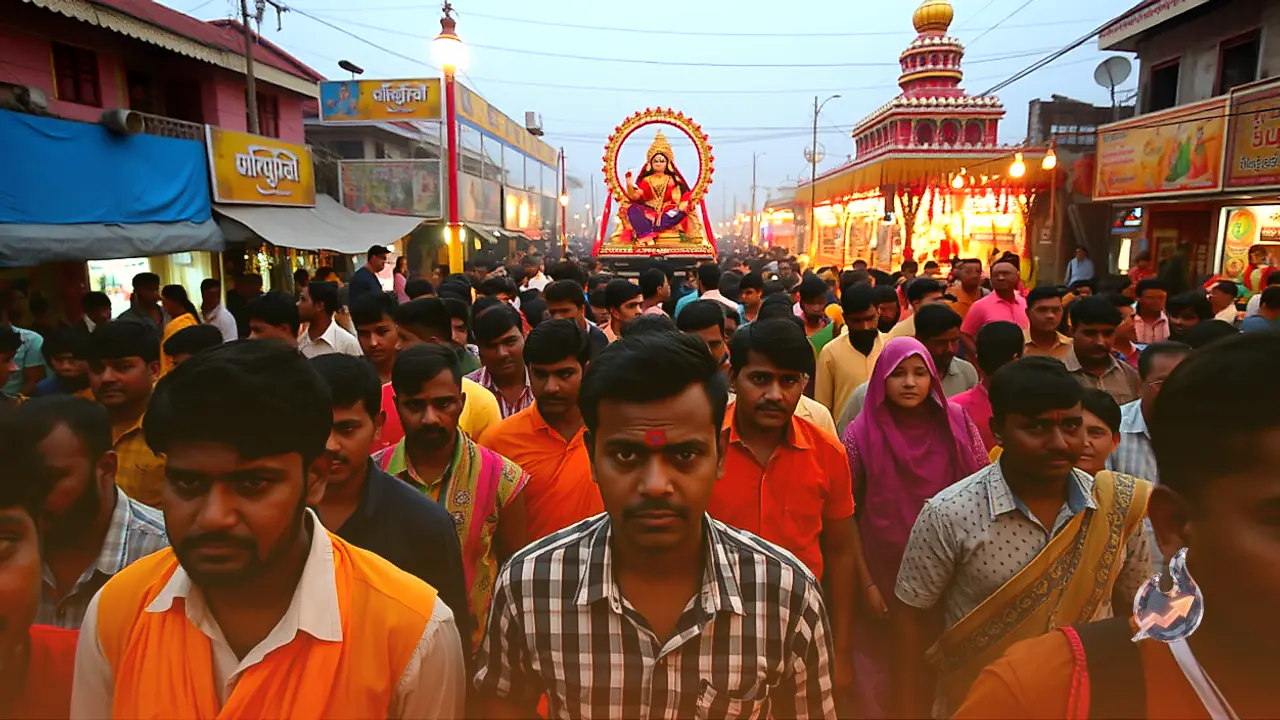

Situated in the Palamu district of Jharkhand, the famous Devi Dham Shaktipeeth in Haidarnagar holds a distinct reputation due to its unconventional traditions. Bridging the gap between empirical logic and deep-rooted public belief, this religious site hosts a special fair every year during the auspicious days of Shardiya Navratri. According to local accounts, this centuries-old tradition attracts a massive influx of devotees not only from various parts of Jharkhand but also from neighboring states like Bihar and Uttar Pradesh. Individuals arriving at this sacred destination typically harbor hopes of curing persistent illnesses, seeking the blessing of offspring, or finding a definitive resolution to deeply troubling family crises. The sheer popularity of this shrine is evident from the thousands of distressed souls who walk through its gates annually in search of solace.
Experiences Shared by Pilgrims from Sasaram
Recounting her personal ordeal after arriving at the temple from Sasaram in Bihar, Sunita Devi shared that her daughter had been suffering from a distressing condition for the past five to six years. She claimed that certain family members had inflicted a supernatural possession upon her daughter, which routinely triggered episodes lasting two to three hours marked by clenched teeth and sudden fainting spells. Despite seeking extensive medical treatments and administering heavy medications from various doctors, the ailment persisted without any sign of relief. Eventually, upon consulting a spiritual guide, she was informed that the root cause was a demonic affliction. Having heard tales of the miraculous powers of Devi Dham, she brought her daughter to the shrine, where her condition has visibly improved ever since. Another pilgrim from Sasaram, Satend Kumar, mentioned that he had heard a great deal about the divine glory of the temple and made the journey with his own heartfelt prayers.
The Court of Spirits and Designated Spaces within the Temple
Explaining the internal arrangement of the temple grounds and the rituals performed there, Satend Bhagat stated that he has been visiting the Devi Dham for roughly ten years and acts as an indigenous healer. He claimed that the very moment individuals enter the divine court, the strength of any alleged supernatural affliction begins to wane. Specific zones have been established within the temple complex to house different categories of spirits and entities. These designated locations include the Brahma shrine, Mari shrine, Dom-Dakni shrine, and Jin Baba shrine. Based on local customs, once a specific type of possession is identified in a afflicted person, they are led to the corresponding consecrated spot for specialized rituals.
Demands for Garments and Unusual Behavior Near the Fire Pit
Detailing the subsequent steps involved in curing these afflictions, Satend Bhagat added that several traditional protocols are meticulously followed. During the course of the rituals, certain purported spirits demand specific items such as sarees, suits, sacred veils, and ceremonial flags. Once these specific demands are successfully met by the devotees, the concerned entity is permanently anchored to its assigned location within the complex. Furthermore, instances of pilgrims displaying highly unusual and erratic behavior near the temple's sacrificial fire pit are frequently observed. Locals invariably attribute such eccentric actions to the direct influence of supernatural forces, leading to the spiritual containment of those entities right on the premises.
The Jin Baba Shrine as a Symbol of Communal Harmony
The shrine of Jin Baba, located within the Devi Dham complex, is widely regarded not merely as a focal point of religious devotion but also as a powerful emblem of communal harmony and brotherhood. Devotees belonging to both Hindu and Muslim communities arrive here in large numbers to offer prayers and seek fulfillment of their wishes. Local belief dictates that no discrimination based on religion or caste exists at the court of Jin Baba, drawing individuals from all walks of life. The massive crowds that gather during Shardiya Navratri amplify the significance of this location. Consequently, the ghost fair of Haidarnagar continues to thrive as a fascinating nexus of religious faith, folk belief, and age-old traditions.