



















The landscape of medical diagnostics, patient care, and surgical training is on the verge of a major transformation as advanced technology bridges the gap between engineering and healthcare. Efforts are underway to integrate artificial intelligence and robotics into routine medical practices, promising greater precision and efficiency. At the Medical AI Systems Labs of the Indian Institute of Technology Jodhpur, researchers are currently advancing three distinct technologies designed to revolutionize how medical examinations are conducted and taught. These innovations aim to make medical tests more precise, reduce the time required to generate reports, and provide medical students with immersive training environments. The overarching research initiatives are being spearheaded by Dr. Deepak Mishra, an associate professor in the Department of Computer Science and Engineering at the institution.
Robotic systems to guide ultrasound probes accurately
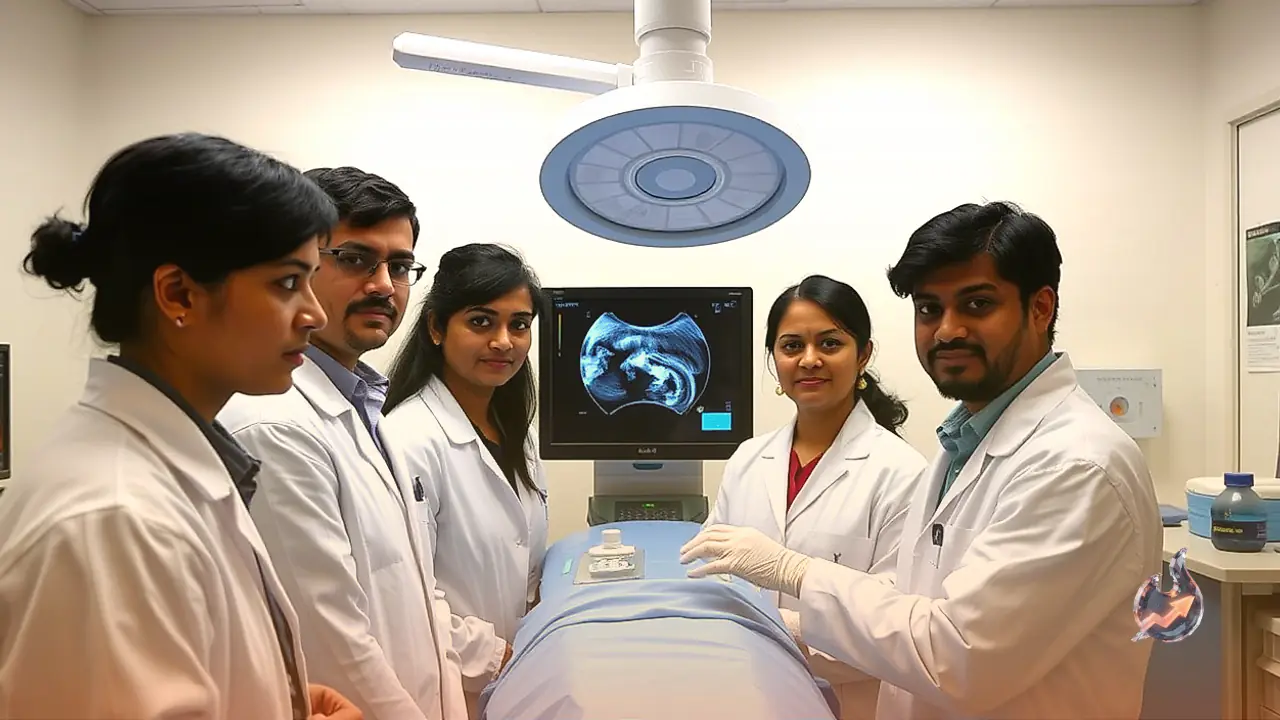
During an echocardiogram or heart ultrasound, obtaining a clear and diagnostically useful image requires placing the ultrasound probe at a very precise angle and location. This delicate procedure traditionally relies heavily on the expertise and hands-on experience of the clinician performing the test. To address this variability, researchers are developing an advanced robotic system where a mechanical arm holds the probe while artificial intelligence guides it to the exact correct position. This automated synergy is expected to significantly improve the overall quality of diagnostic images and bring a high degree of consistency across different medical examinations, ensuring reliable results for patients regardless of who operates the equipment.
Artificial intelligence scanning for precise rib fractures
Beyond robotic positioning, the research facility is heavily focused on the advanced analysis of medical imaging data. Methods are being engineered to allow computers to analyze complex visual data gathered from computed tomography scans, magnetic resonance imaging, and standard ultrasounds. Utilizing agentic artificial intelligence, the system is designed to accurately detect the precise location, severity, and specific characteristics of rib fractures from scan images. This diagnostic support tool aims to assist physicians in interpreting complicated test results more quickly, thereby facilitating faster and more accurate clinical decision-making when treating trauma patients.
Medical students to practice surgical procedures on computers
The third major pillar of this ongoing research is dedicated to transforming the way medical students and healthcare professionals undergo their rigorous training. Sophisticated simulators and specialized tools designed to create and analyze surgical video procedures are currently under development. By utilizing these computer-based systems, students can practice intricate surgical techniques virtually, altering medical procedures based on their specific inputs and observing the potential simulated outcomes in real time. Nevertheless, experts emphasize that before these groundbreaking technologies can be deployed for routine daily use in hospitals, they must undergo rigorous clinical testing and thorough validation.