




















Najmeh Amini, a 23-year-old student from the northeastern Iranian city of Mashhad, has been sentenced to death following a social media post that authorities deemed blasphemous. The case has thrust Iran's strict religious laws, judicial processes, and the use of capital punishment back into the global spotlight amid ongoing concerns over political dissent.
Legal Basis and Blasphemy Charges
The death sentence was handed down under Article 262 of Iran's Islamic Penal Code, which penalizes the insult of Prophet Muhammad, an offense legally referred to as sabb al-nabi. While Article 263 of the same code provides exemptions for statements made under specific circumstances such as intoxication or accidental slips of the tongue, the presiding court rejected the defense arguments presented on Amini's behalf.
Arrests and Multi-Pronged Prosecutions
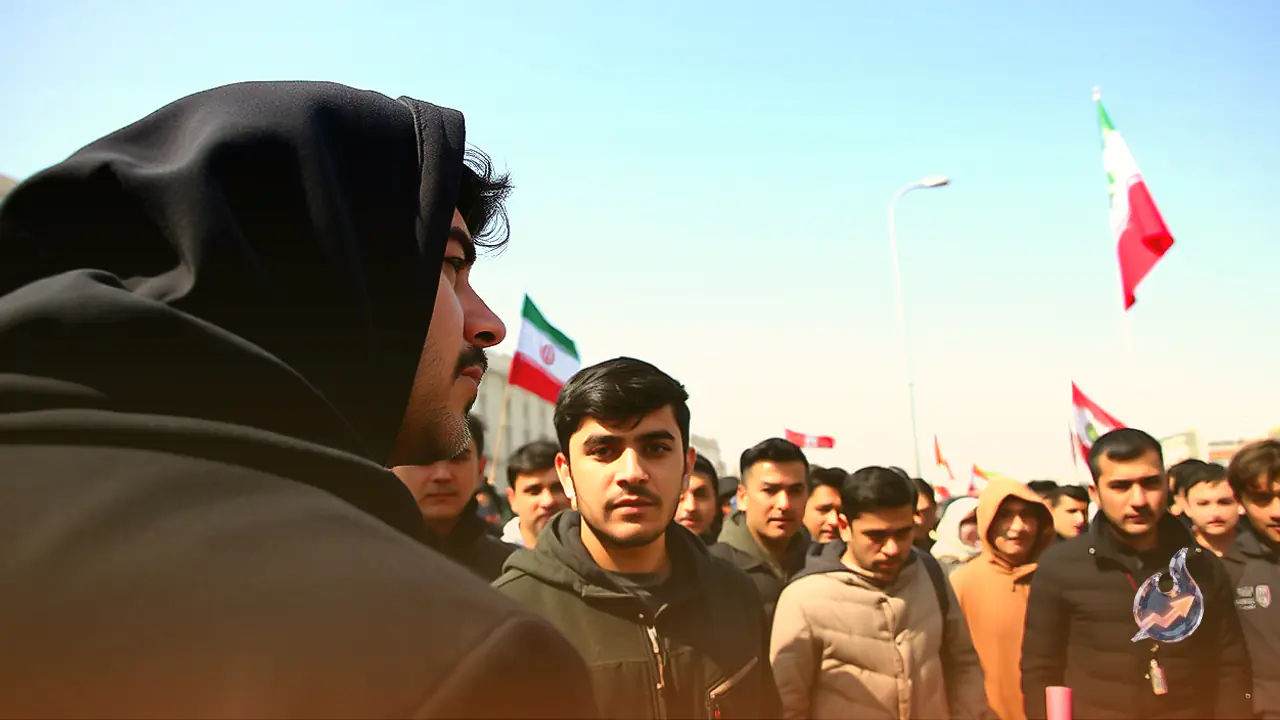
Amini was initially detained in January 2026 amid widespread anti-government protests that swept across parts of the country. According to reports from groups like Iran Human Rights and the Human Rights Activists News Agency, the legal proceedings expanded far beyond her initial arrest, resulting in multiple criminal files involving charges ranging from enmity against God to cooperating with hostile nations and insulting leadership.
Audio Recording from Prison
In a recorded audio message smuggled from her place of detention, Amini appealed to the international community for urgent intervention regarding her death sentence. Expressing fears that she might not get another opportunity to speak, she mentioned her family and her dashed hopes for the future. Her legal team retains the option to appeal the sentence before the Supreme Court of Iran.
Psychedelic Mushrooms and Court Scrutiny
Defense lawyers argued during the trial that Amini was experiencing hallucinations after consuming psychedelic mushrooms with friends, contending that the remarks were accidental. However, local media reports citing the Khorasan newspaper noted that the judge dismissed the defense by questioning why she did not target political figures or others if her mental state was entirely impaired.
Additional Sentences and Legal Restrictions
Aside from the death penalty, a Mashhad Revolutionary Court imposed an additional prison term of 12 years, 6 months, and 1 day on charges related to propaganda against the regime and actions against national security. Human rights monitors have raised serious questions about the fairness of the trial, alleging that Amini was denied access to independent counsel of her choice.
Reactions from Human Rights Advocates
Human rights defenders have strongly criticized the verdict, arguing that capital punishment for an online statement violates fundamental rights to free expression and fair trial. The United Nations Human Rights Committee maintains that under international law, the death penalty should be restricted to the most severe crimes involving intentional killing, rendering cases of this nature disproportionate.