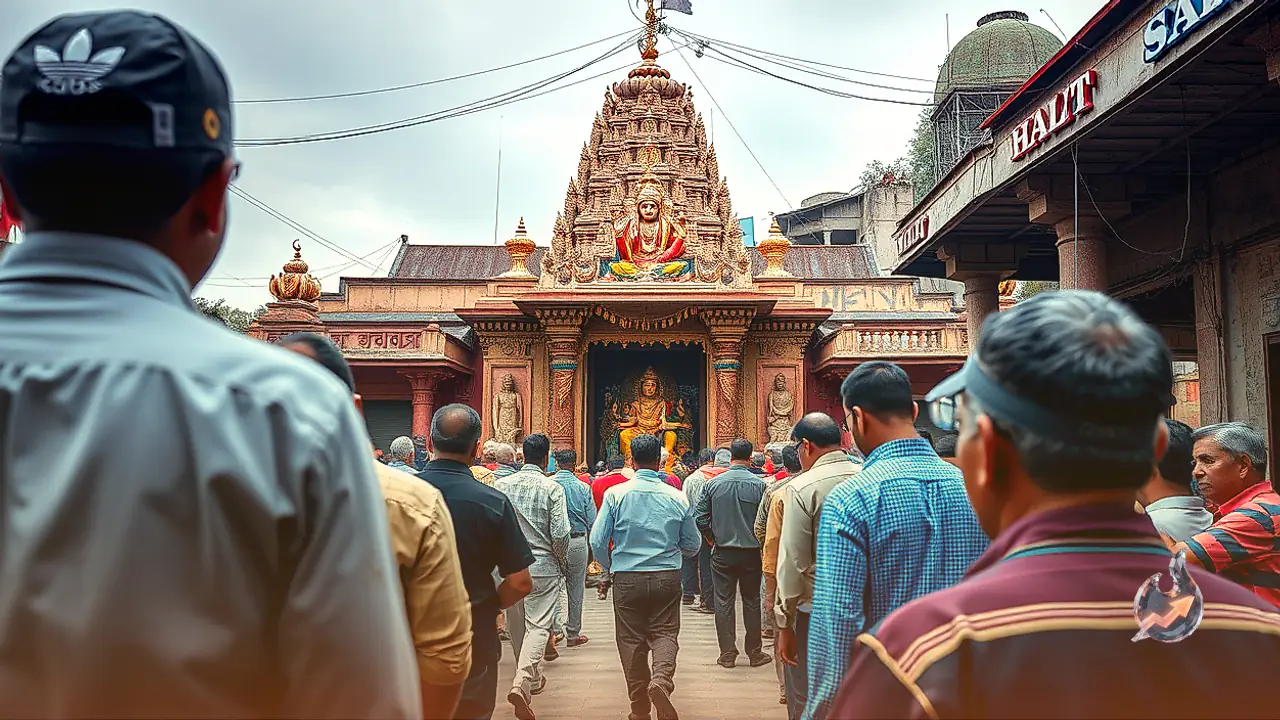
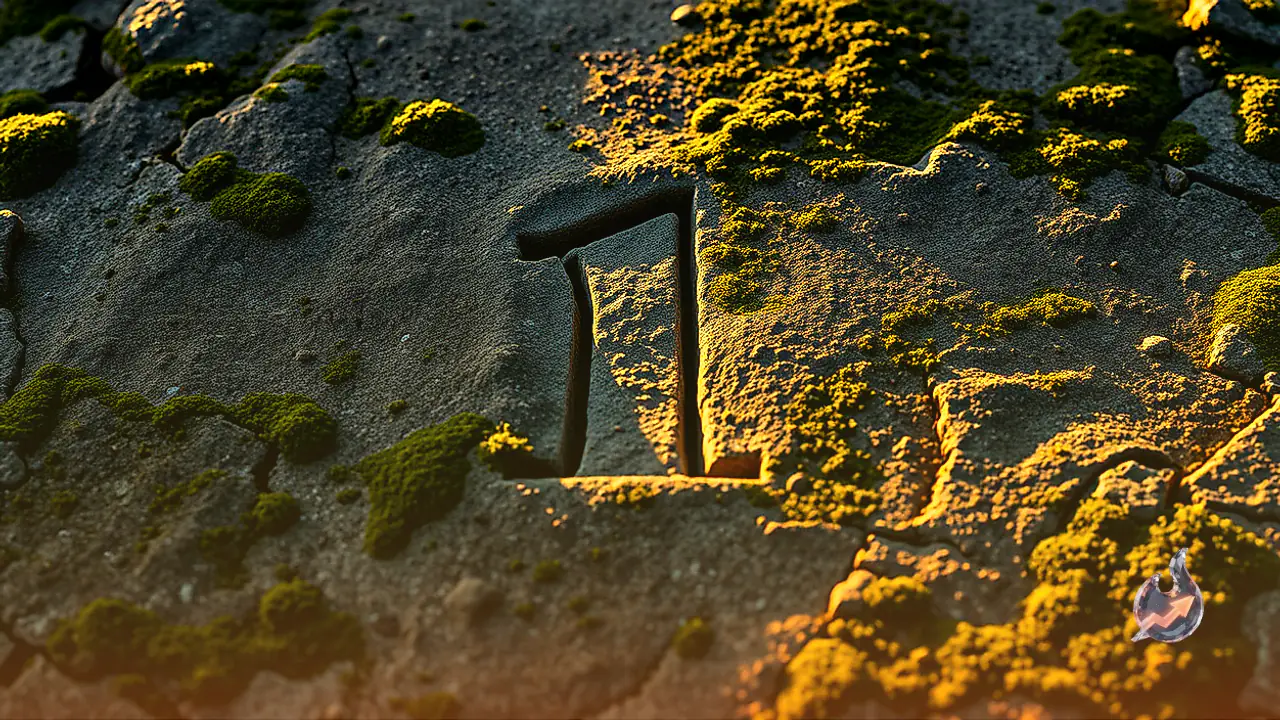



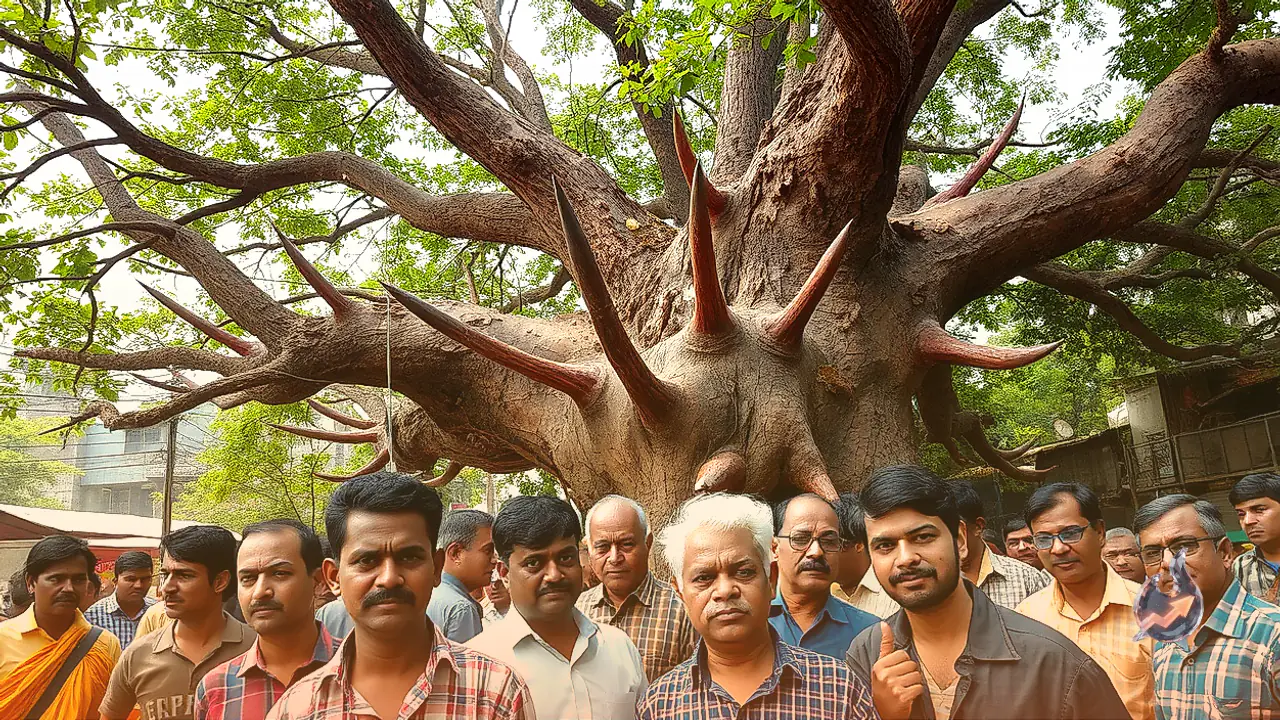


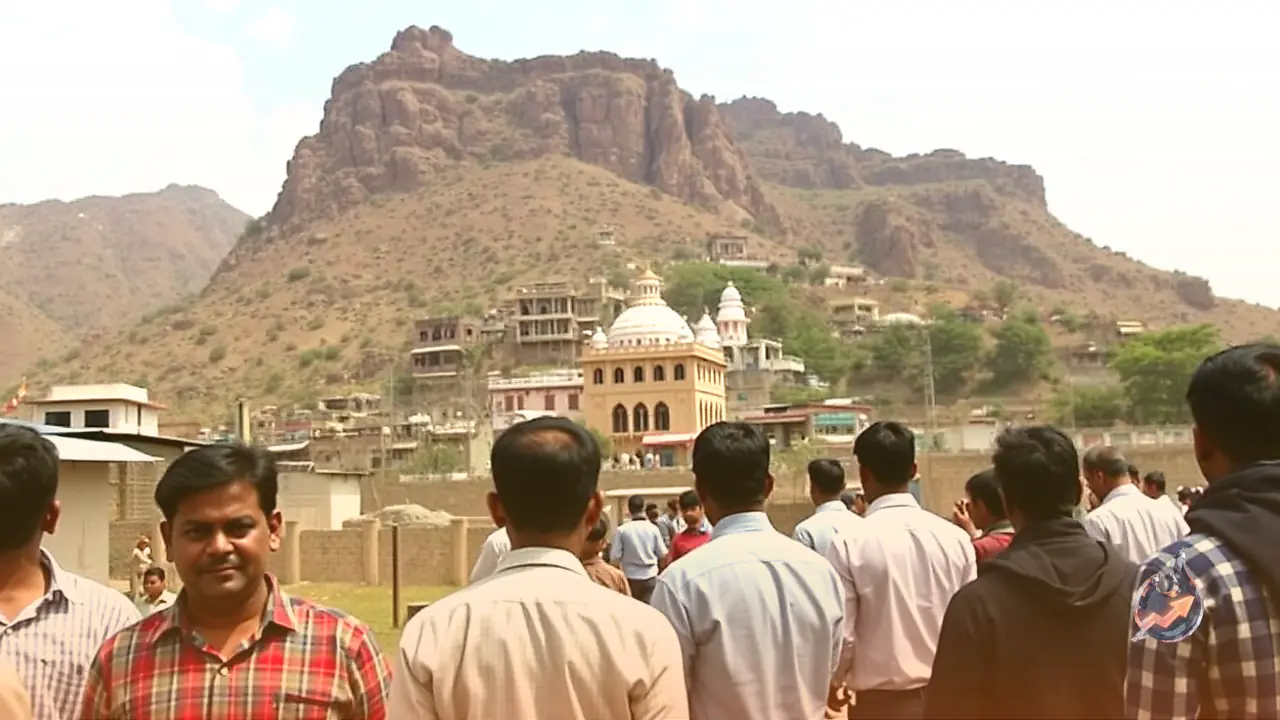














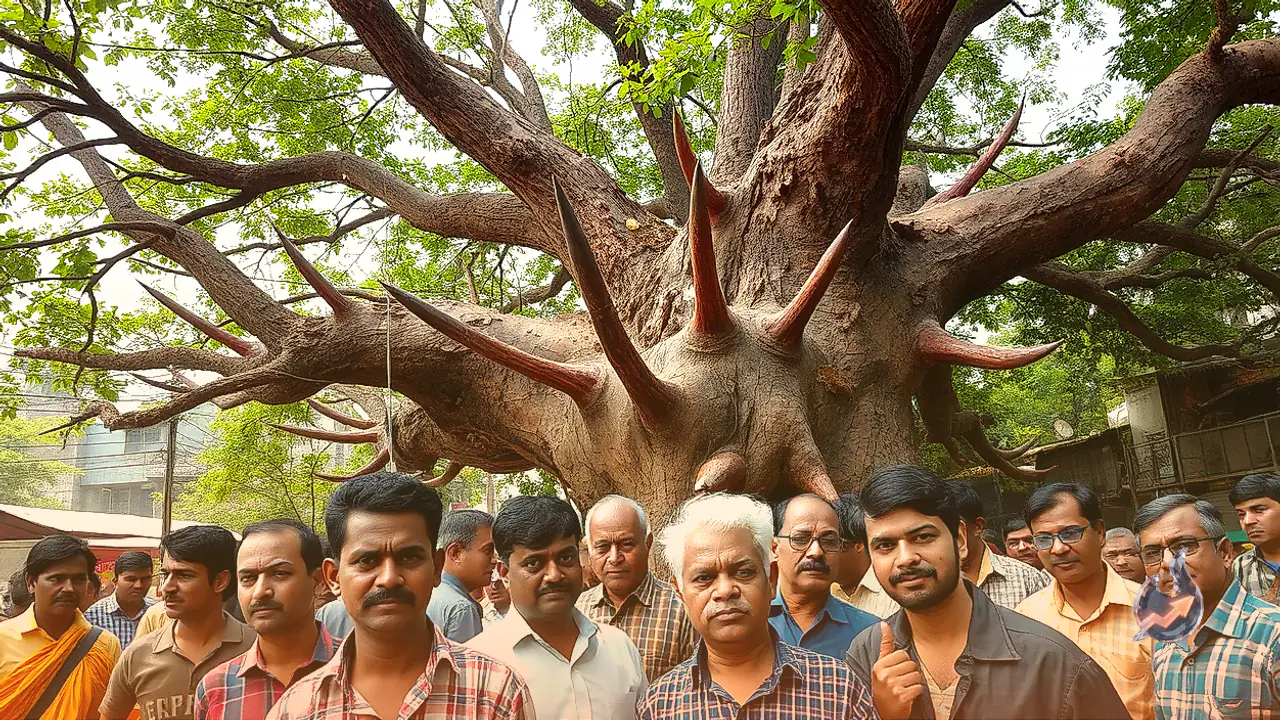

Deoghar, widely revered as the abode of the gods in Jharkhand, is home to numerous sacred sites and captivating legends that continue to amaze devotees and visitors. In the peaceful village of Rohini within the Deoghar district stands an ancient Peepal tree (sacred fig) that houses a remarkable metallic trident embedded deep within its trunk. According to long-standing local traditions and historical narratives, this is no ordinary trident; it is believed to be the sacred weapon thrown by Lord Shiva himself in a moment of anger. Despite being exposed to the harsh elements of nature for generations, the metallic Trishul displays zero signs of rust, making it a focal point of intense spiritual devotion and curiosity.
The Royal Heritage of Ghatwal Family and the Sacred ThakurBari
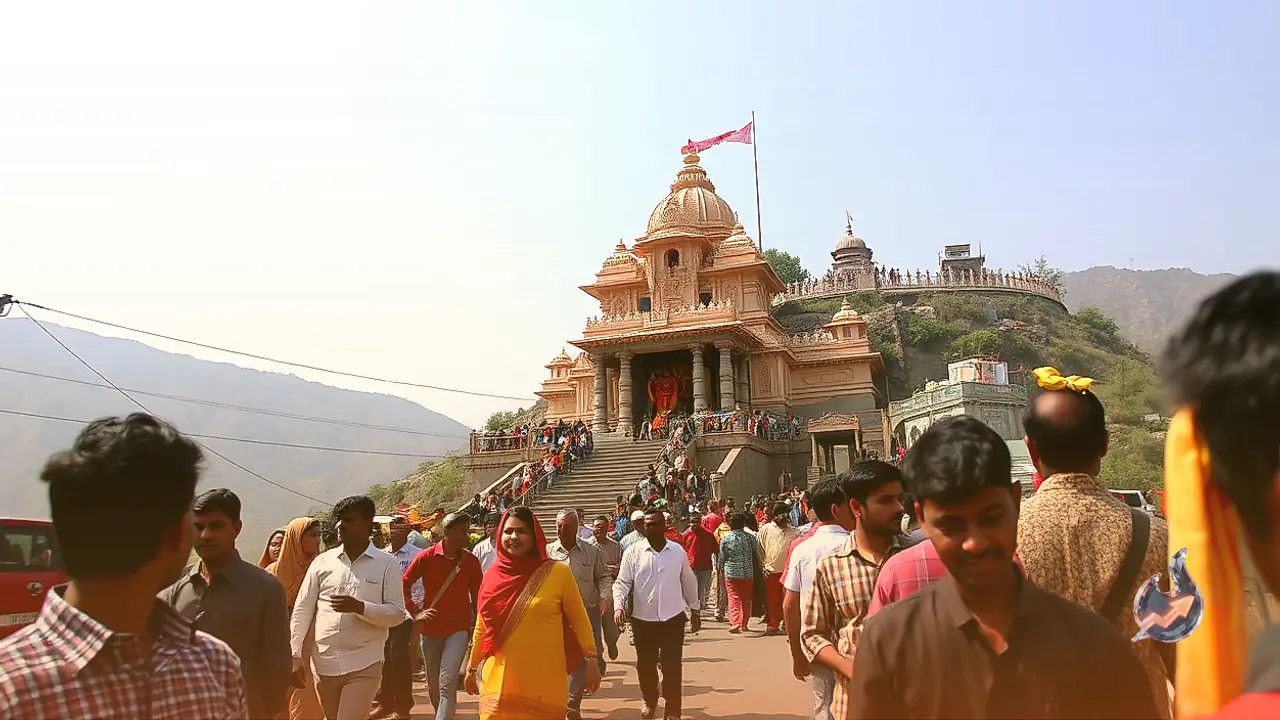
The history of Deoghar is closely intertwined with the legacy of the Ghatwal royal family. According to Jageshwar Pandey, the hereditary pilgrimage priest (Teerth Purohit) serving the Ghatwal royal lineage, the ancestors of the royal house were devout followers of Lord Shiva. It was a deeply held belief among the royals that Lord Shiva had a direct, living presence at the sacred ThakurBari situated in Rohini. The members of the royal family observed strict religious rituals, and local folklore suggests that the deity frequently visited the kingdom assuming various earthly disguises. Because of this divine connection, the entire household maintained unwavering reverence toward Lord Shiva.
The Royal Wedding Invite and the Appearance of the Beggar
The backstory of how the trident came to rest inside the tree revolves around a momentous occasion in the royal household. Priest Jageshwar Pandey recounts that during a grand wedding hosted by the Ghatwal king, an explicit invitation was extended to Lord Shiva. Upon receiving the invitation, Lord Shiva cautioned the monarch, warning that if he attended the ceremony in person, neither the king nor his courtiers would be able to recognize or accommodate him properly. Unwavering in his devotion, the king humbly persisted with his invitation, urging the deity to grace the celebration regardless.
On the day of the marriage ceremony, Lord Shiva chose to test the perception and devotion of the royal court. He assumed the form of an ailing, impoverished beggar and approached the palace gates. Absorbed in the grandeur of the wedding festivities, the guards and courtiers failed to look past his ragged appearance. Treating the divine visitor as an unwelcome mendicant, they turned him away from the court entry without offering hospitality.
The Divine Wrath, the Embedded Trident, and the Rust-Free Wonder
Displeased by the rejection and the lack of spiritual insight shown by the court, Lord Shiva cast his heavy trident toward a large Peepal tree standing inside the palace courtyard before vanishing. When the royal family realized the identity of the mysterious beggar, they were overcome with remorse and recognized the embedded trident as a sacred testimony of the deity's presence. From that point onward, the tree and the Trishul were consecrated as holy artifacts.
What confounds believers and visitors to this day is the supernatural preservation of the metal. Despite decades and centuries of continuous exposure to monsoon rain, heat, and humidity, the trident has remained entirely free of rust or deterioration. Open-air metallic objects typically corrode rapidly over time, yet this weapon maintains its pristine condition, fueling widespread fascination and devout pilgrimage to the site.
A Harmony of History, Royal Tradition, and Devotion
The legend preserved at Rohini is far more than a mere historical anecdote from a bygone royal era. It stands as an enduring reflection of the deep-seated faith, oral traditions, and cultural heritage that characterize Deoghar. Passed down through generations by temple caretakers like priest Jageshwar Pandey, the tale of the rustless trident illustrates how history, royal heritage, and religious faith remain interwoven in the daily lives of the local community. Today, worshippers visit the Peepal tree in Rohini to pay homage to the unyielding Trishul and seek the blessings of Lord Shiva.